
The Foodie Locker blog.
Practical guides on smart food delivery lockers, secure food collection, last-mile delivery automation and modern building infrastructure.
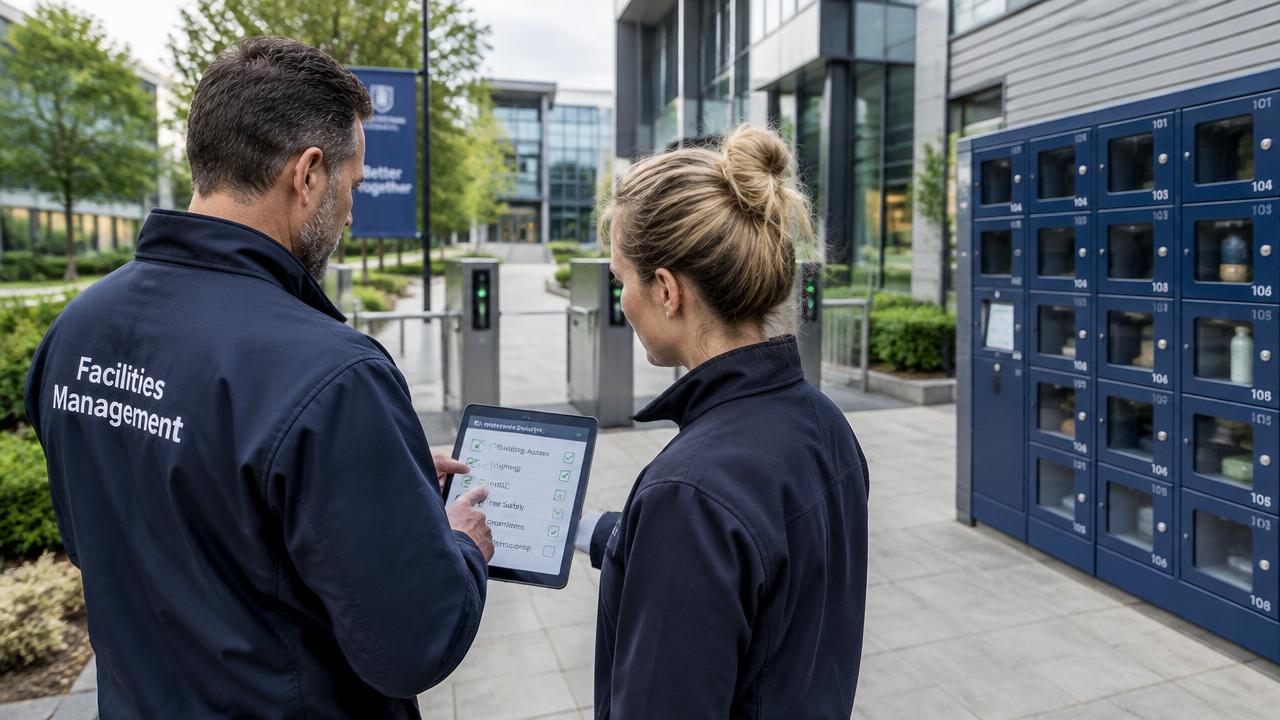
Is your university campus keeping up? 12 smart estate capabilities to benchmark in 2027
A checklist for Estates and Facilities leaders: twelve smart estate capabilities to benchmark your campus against, from real-time data to food delivery infrastructure.
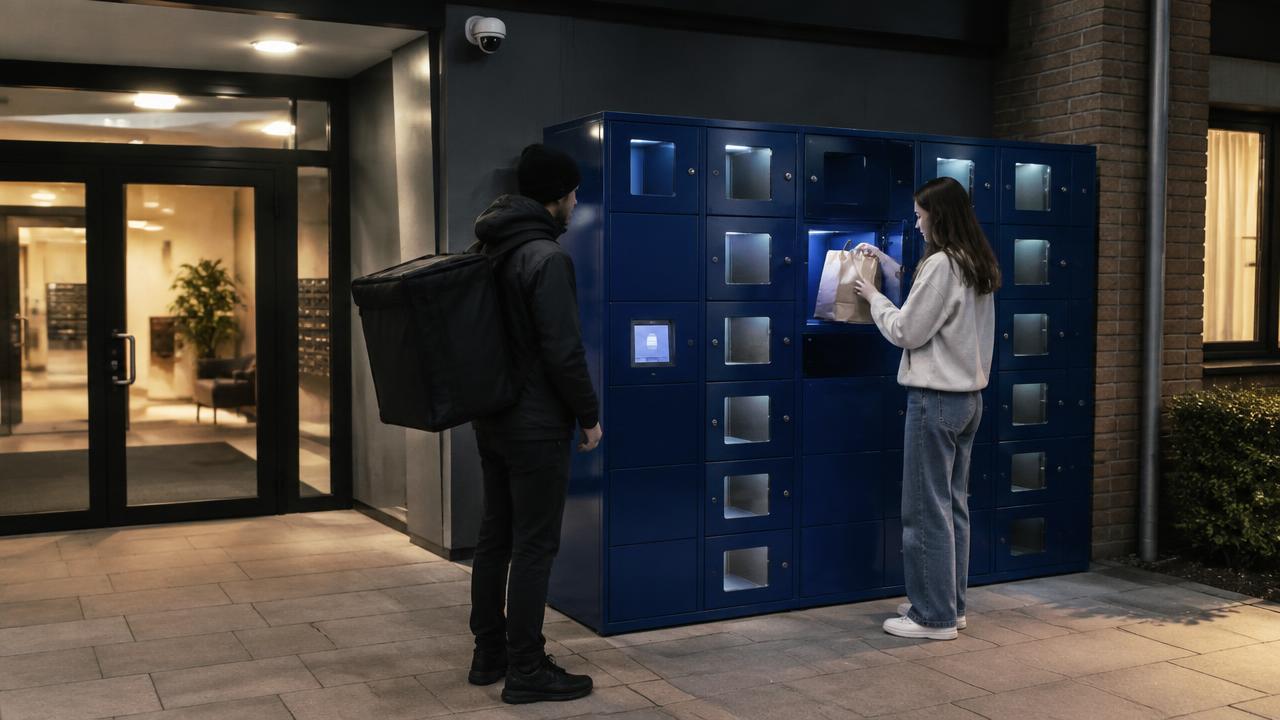
The 10pm campus problem: managing late-night deliveries in student accommodation
Peak food delivery demand hits when reception is closed and campus is darkest. How to manage late-night deliveries safely without adding staff.
Selling Lockers Overseas: What to Check Before Shipping a Unit Internationally
The practical checks before a food locker crosses a border: power, connectivity, language, support and local regulations.
Could You Build a Business Around Food Lockers?
The operator model behind food locker services: identifying the customer need, finding locations and lining up the partners who deliver the service.
What Makes an Off-Site Restaurant Collection Point Commercially Viable?
The factors that decide whether an off-site collection point works: real attendance, demand, frequency, order value, distance and costs.
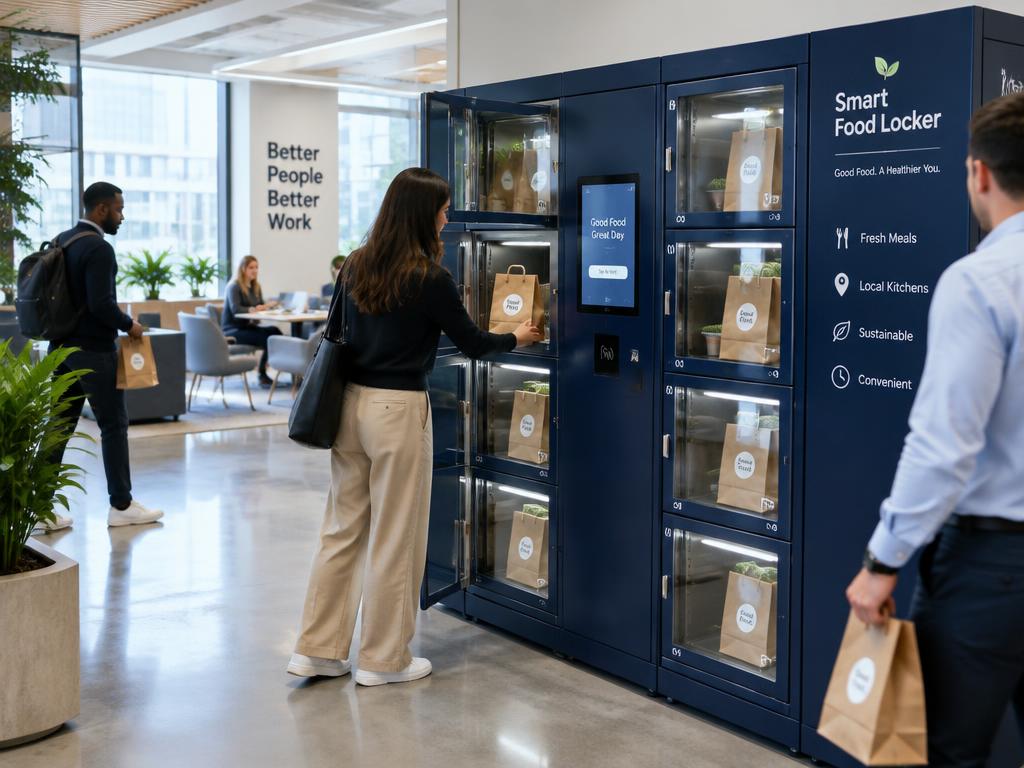
How Many Locker Compartments Does an Office Lunch Service Need?
Simultaneous capacity, collection dwell time and reuse across batches — a simple way to size lockers for workplace lunch.
How Local Restaurants Can Serve Residential Buildings Through Weekly Food Drops
Pizza nights, curry clubs and meal-prep drops: how a restaurant and a residential building can set up a regular food programme.
Batch Food Delivery Versus Individual Deliveries: A Restaurant Cost Comparison
An illustrative cost model comparing one scheduled batch to many individual deliveries — delivery cost, loading time, lockers and volume.
How to Reduce Takeaway Collection Queues During Peak Service
Practical ways to cut counter queues at peak: separate rider pickup, locker collection, better order timing and clear signage.
Self-Service Ordering Kiosks and Pickup Lockers: How They Work Together
Kiosks automate ordering; pickup lockers automate collection. How the two fit together in a restaurant, and what to check first.
How to Run a Scheduled Office Lunch Service Using Food Lockers
A practical, step-by-step guide to cut-offs, batch delivery, loading and collection windows for a workplace lunch service.
How Restaurants Can Reach Office Customers Without Opening Another Outlet
Pre-orders, one scheduled delivery and individual locker collection let a restaurant serve nearby offices from its existing kitchen.
How to License a Smart Food Locker Business in Your Territory
What a food locker licensing model involves, who it suits, and the questions to ask before taking on a territory.
Food Delivery Lockers in India and South Asia: Scale, Density and the Gate Problem
India's food delivery market operates at a scale few countries match — and gated communities, towers and campuses all feel the pressure. Where smart lockers fit.
Order Pickup in the US and UK: What Restaurant Chains Are Testing, and Where Lockers Fit
Dedicated pickup lanes, courier rooms and pickup shelves from published US restaurant tests — and what UK restaurants can take from them.
Food Delivery Lockers in New Zealand: Compact Market, Modern Buildings
New Zealand's new apartment developments and university campuses are adopting delivery infrastructure early. How smart food lockers fit the Kiwi market.
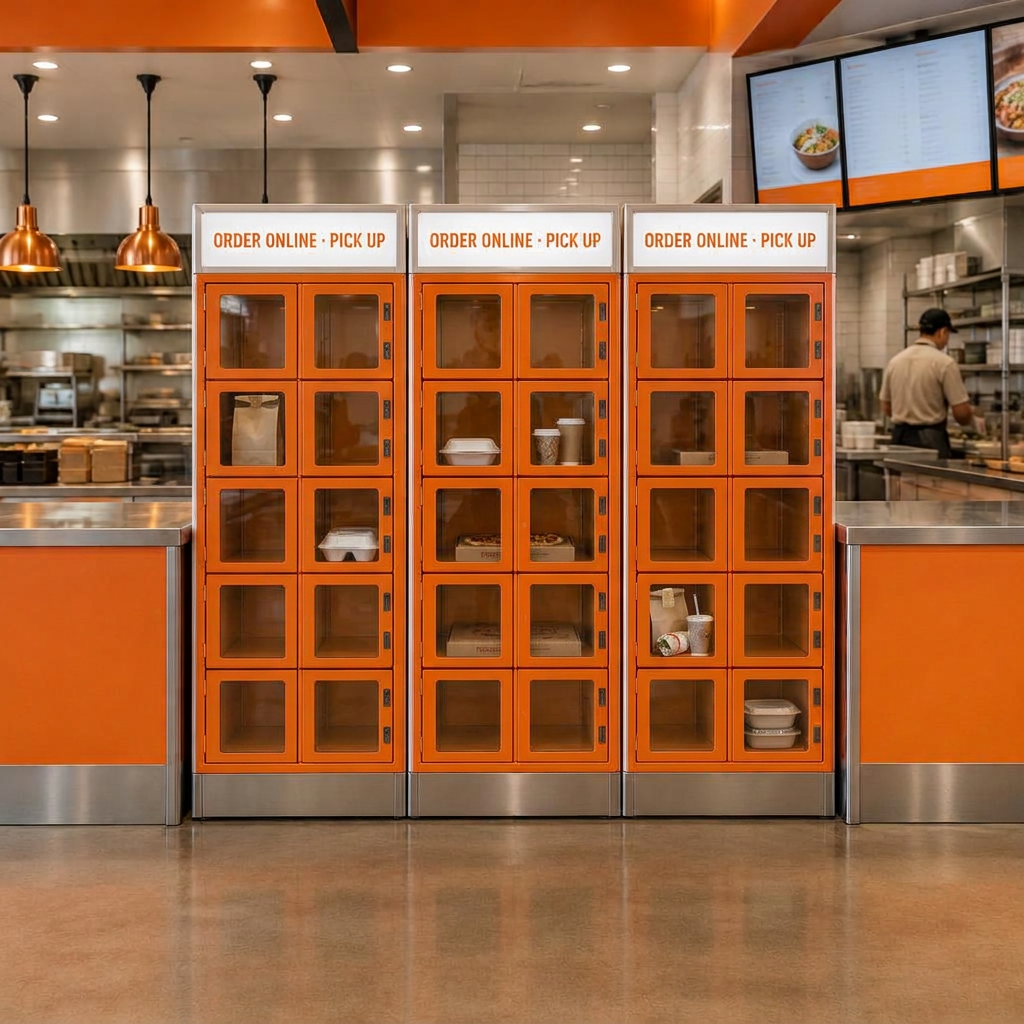
Insulated vs Heated Food Lockers: What Restaurants Actually Need
The difference between insulated and heated pickup lockers, why collection windows matter more than heating, and how to keep orders in good condition.
Food Delivery Lockers in Australia: Apartments, Universities and the Strata Challenge
Australian apartment living is booming and strata managers are drowning in deliveries. How smart food lockers work in the Australian market.
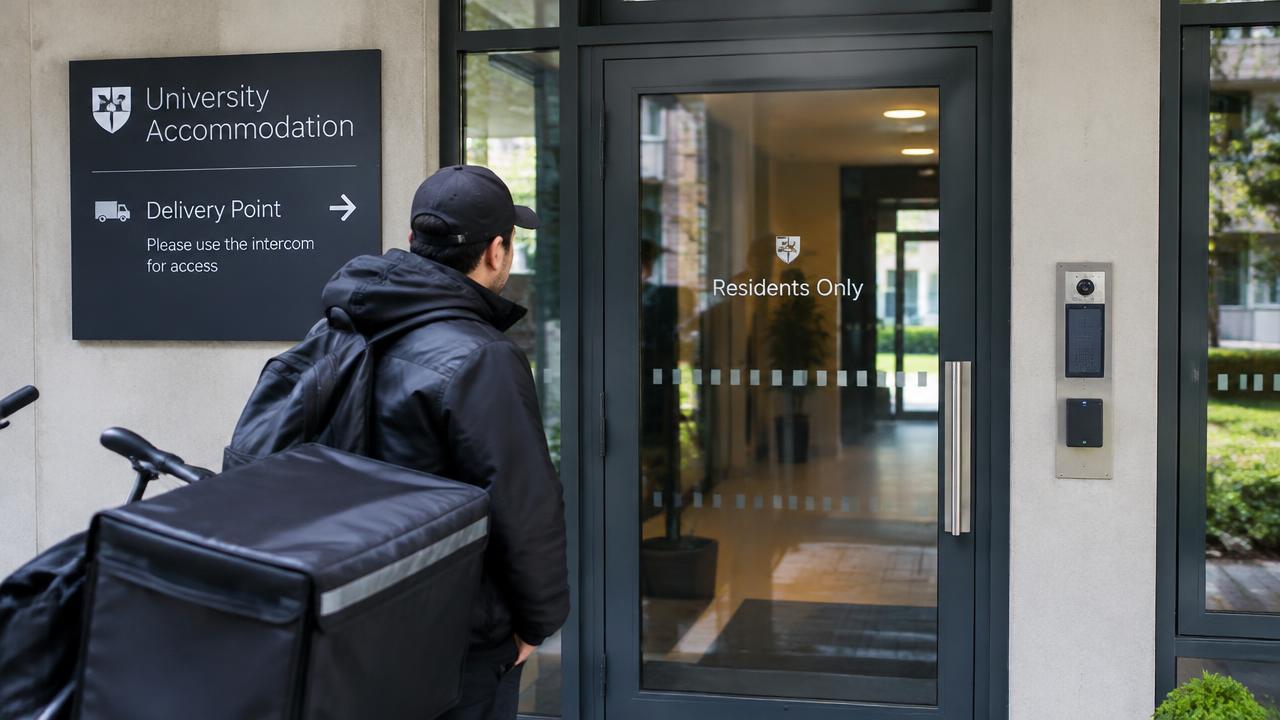
Should delivery drivers be allowed into university accommodation?
Most universities say no — but then leave students to meet couriers outside. How to set a clear courier access policy that keeps everyone safe.
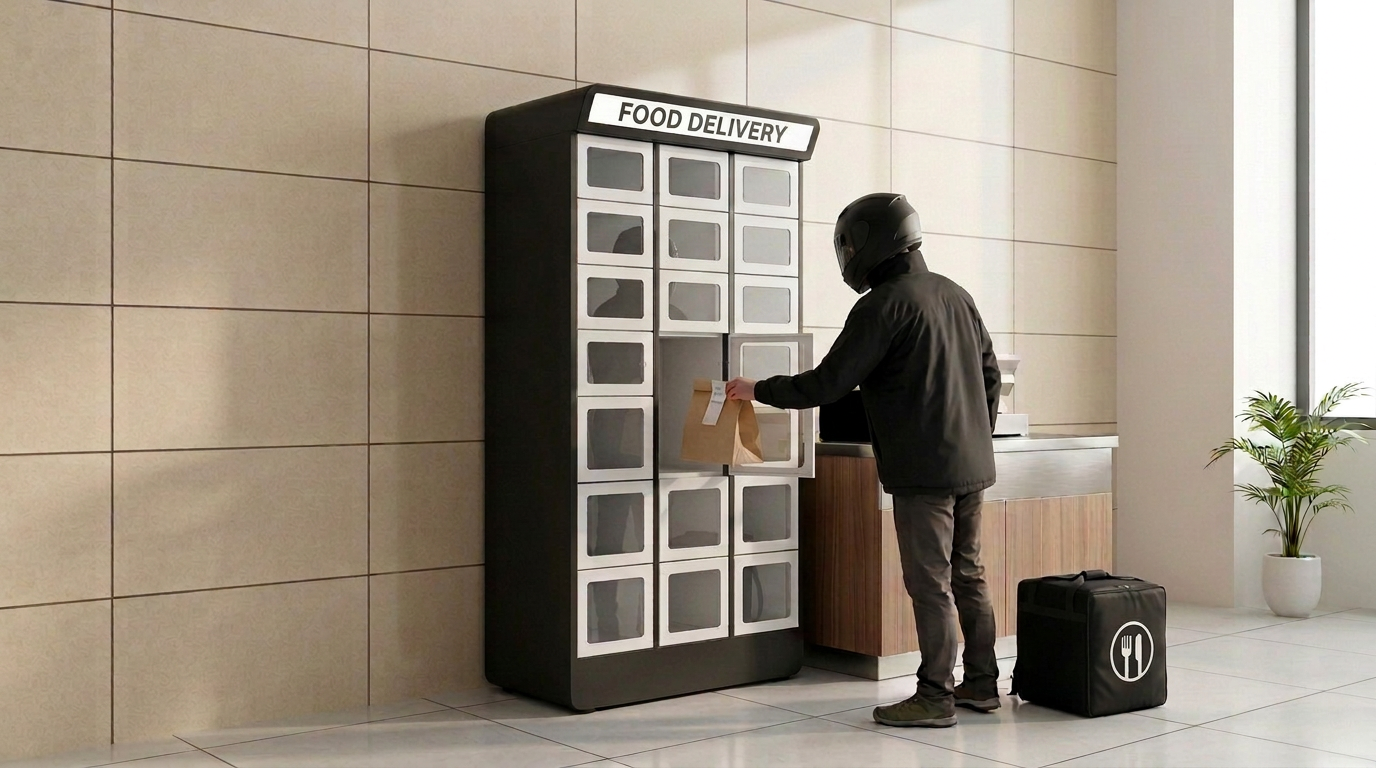
How to Stop Delivery Drivers Crowding Your Counter
Practical steps to give riders their own pickup point, keep your counter clear for customers and reduce interruptions at the pass.
Food Delivery Lockers in Egypt: Cairo's Density and the New Administrative Capital
Cairo is one of the world's densest delivery markets, and Egypt's new cities are building modern infrastructure from scratch. The opportunity for smart food lockers.
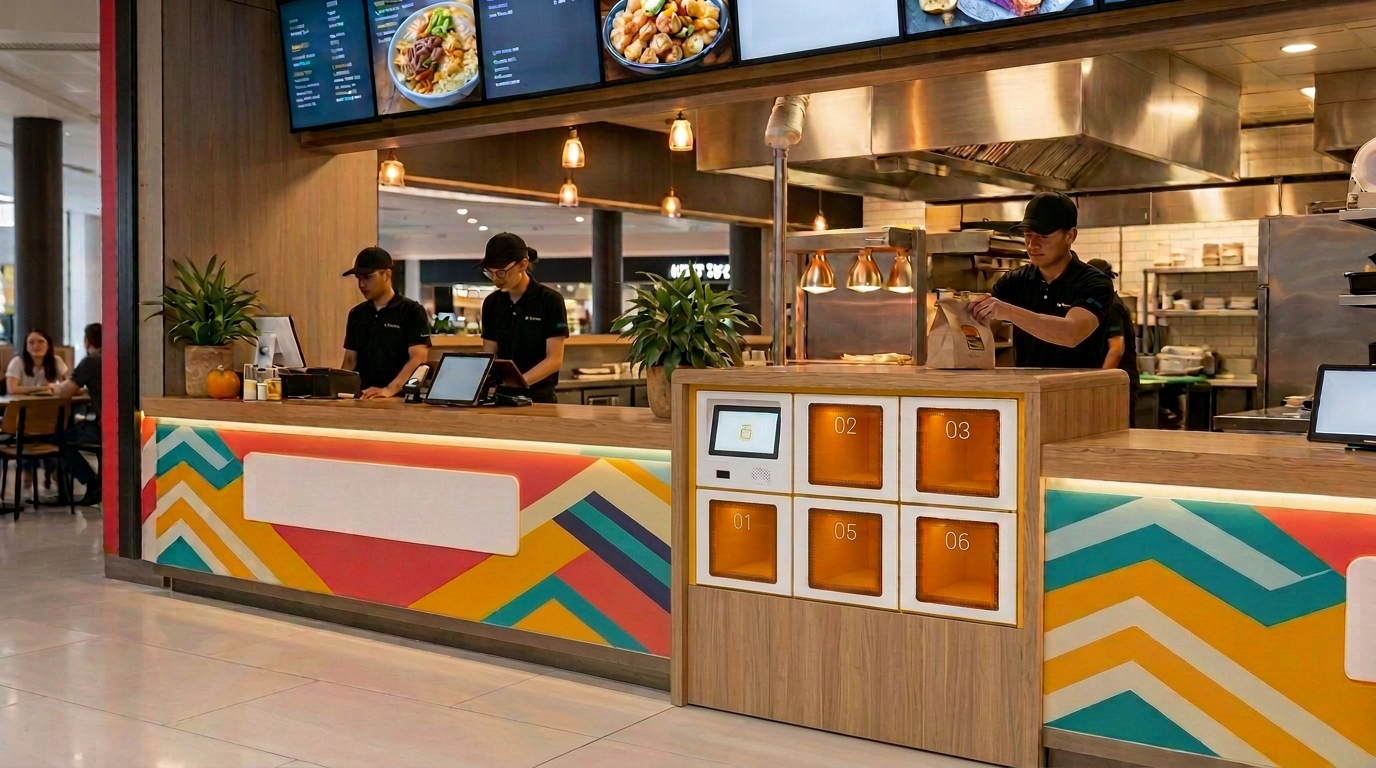
Pickup Lockers for Dark Kitchens and Food Halls
How a shared collection point works when several brands or kitchens serve riders and customers from one site.
Food Delivery Lockers in Saudi Arabia and the Gulf: New Cities, New Infrastructure
From Riyadh's growth to the Gulf's new mega-developments, food delivery infrastructure is being designed into buildings from day one. Where smart lockers fit.
How Much Does a Restaurant Pickup Locker Cost? Lease, Purchase and Fully Funded Options
The three ways to pay for a restaurant pickup locker, what drives the price, and the questions to ask before you get a quote.
Food Delivery Lockers in the UAE and Dubai: Towers, Heat and 24/7 Demand
Dubai's high-rise living, extreme heat and round-the-clock delivery culture make it one of the strongest markets in the world for smart food lockers.
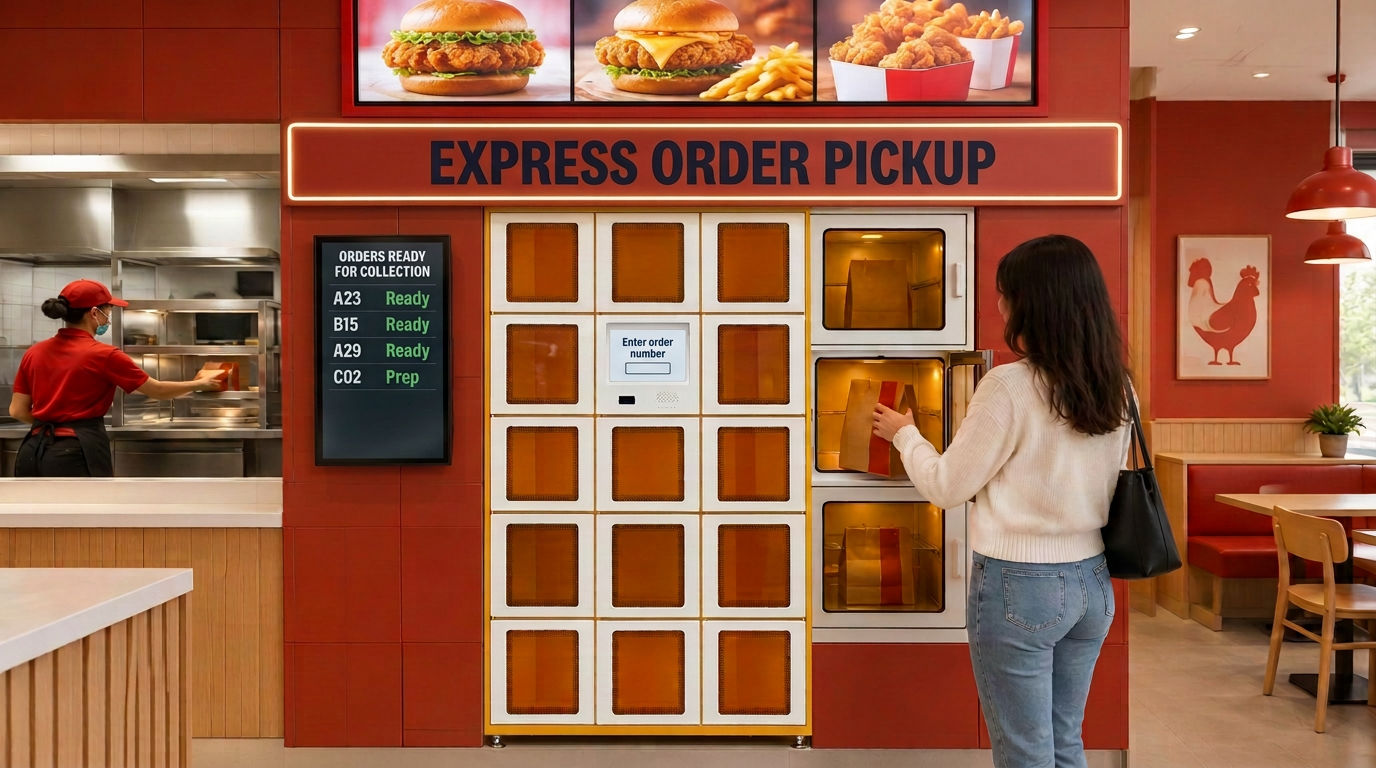
Built-In vs Freestanding Pickup Lockers: A Fit-Out Guide for Fast-Food Counters
When to build a pickup locker into the counter or wall, when a freestanding unit is the better choice, and what to plan with your fit-out team.
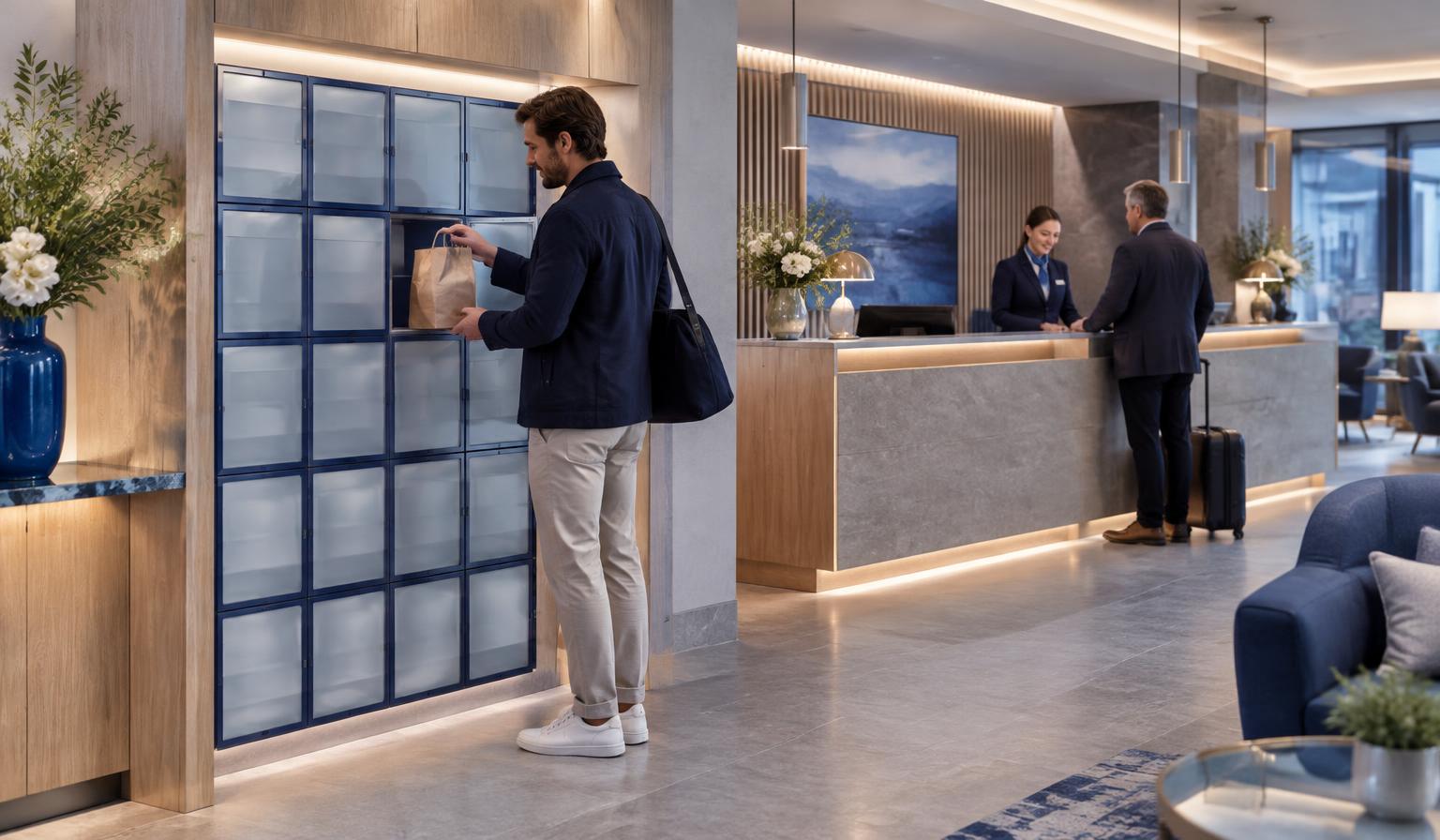
Improve hotel F&B without the cost of a kitchen
A practical guide for hotel owners: expand 24/7 food choice, improve guest experience and create ancillary revenue without building or staffing a kitchen.
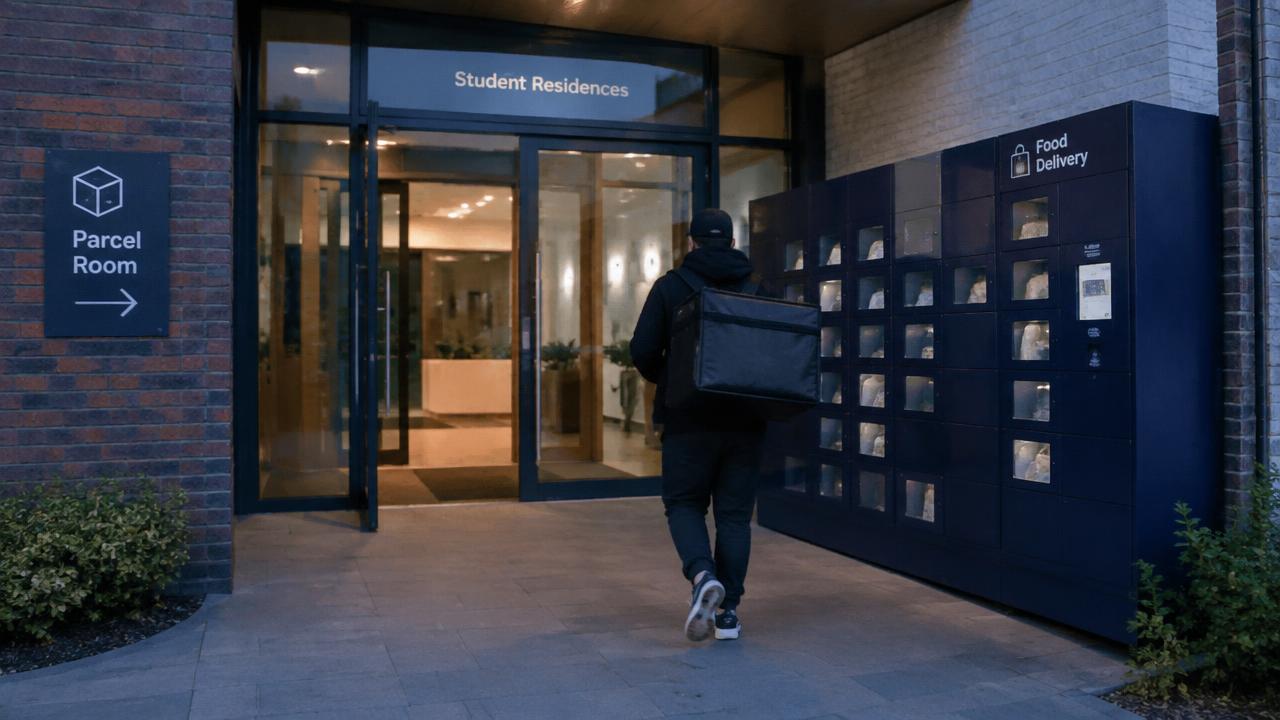
Your university has a parcel strategy. But does it have a food delivery strategy?
Universities invested in parcel rooms and lockers years ago. Food, grocery and meal-kit deliveries now arrive in greater volume — with no strategy at all.
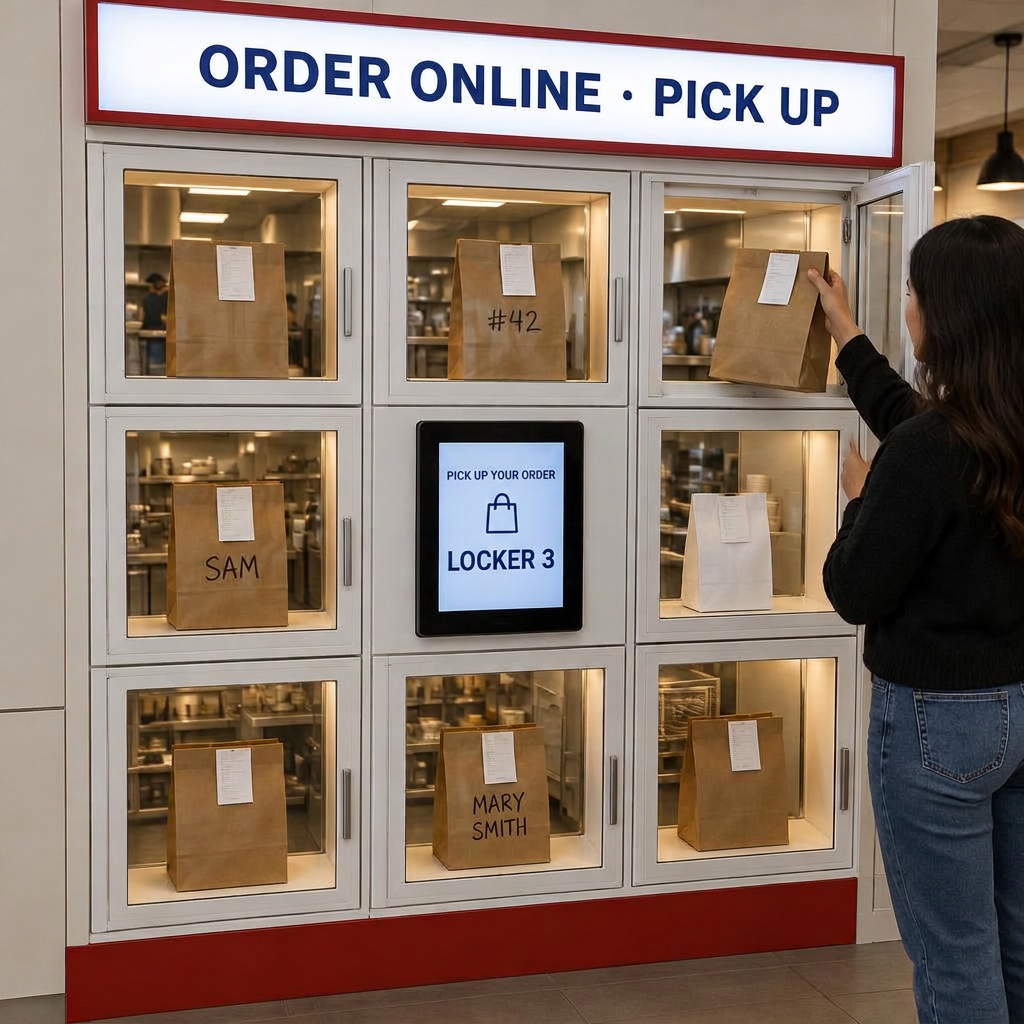
Front-Loading vs Rear-Loading Pickup Lockers: Which Suits Your Kitchen?
How front-loading and rear-loading restaurant pickup lockers differ, what each needs from your layout, and how to choose.
Food Delivery Lockers in France: Haussmann Buildings, Concierges and Click-and-Collect
French apartment living has managed deliveries through concierges for a century. Here's how smart food lockers modernise that tradition in France.
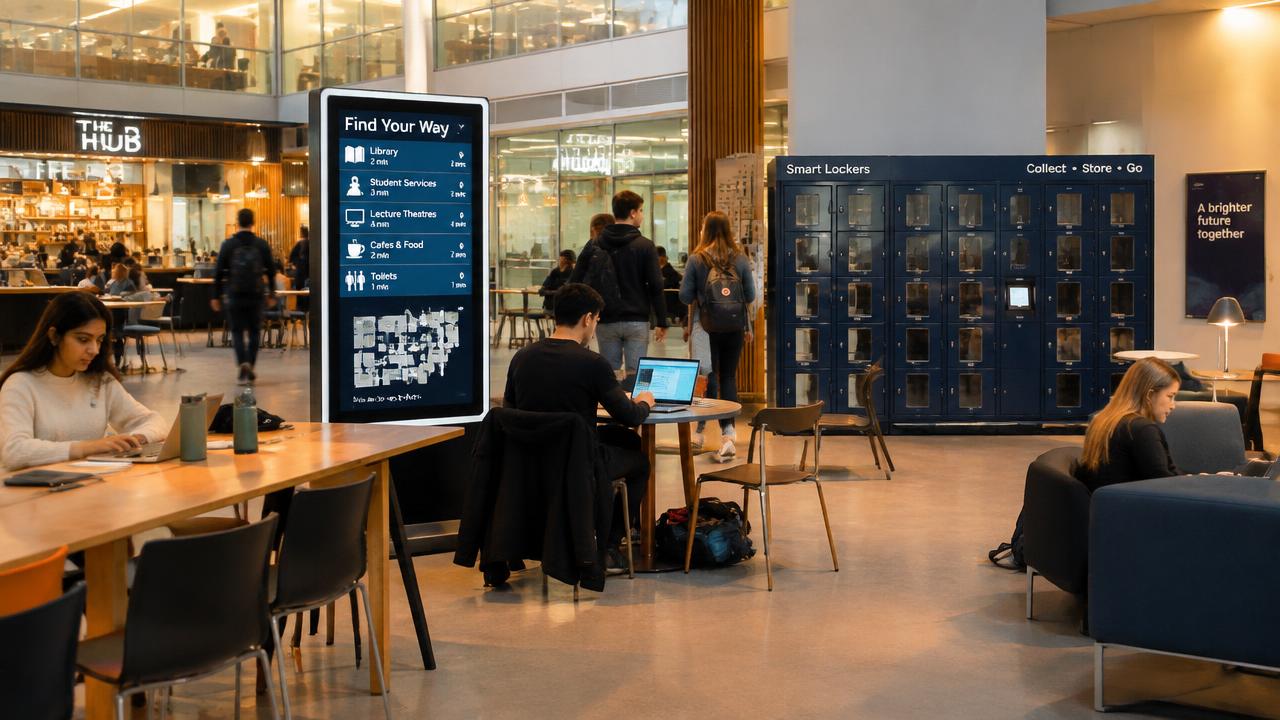
How to improve the student experience through better campus facilities
From 24/7 spaces and digital access to wayfinding, food and delivery infrastructure — the campus facilities that shape how students feel about university life.
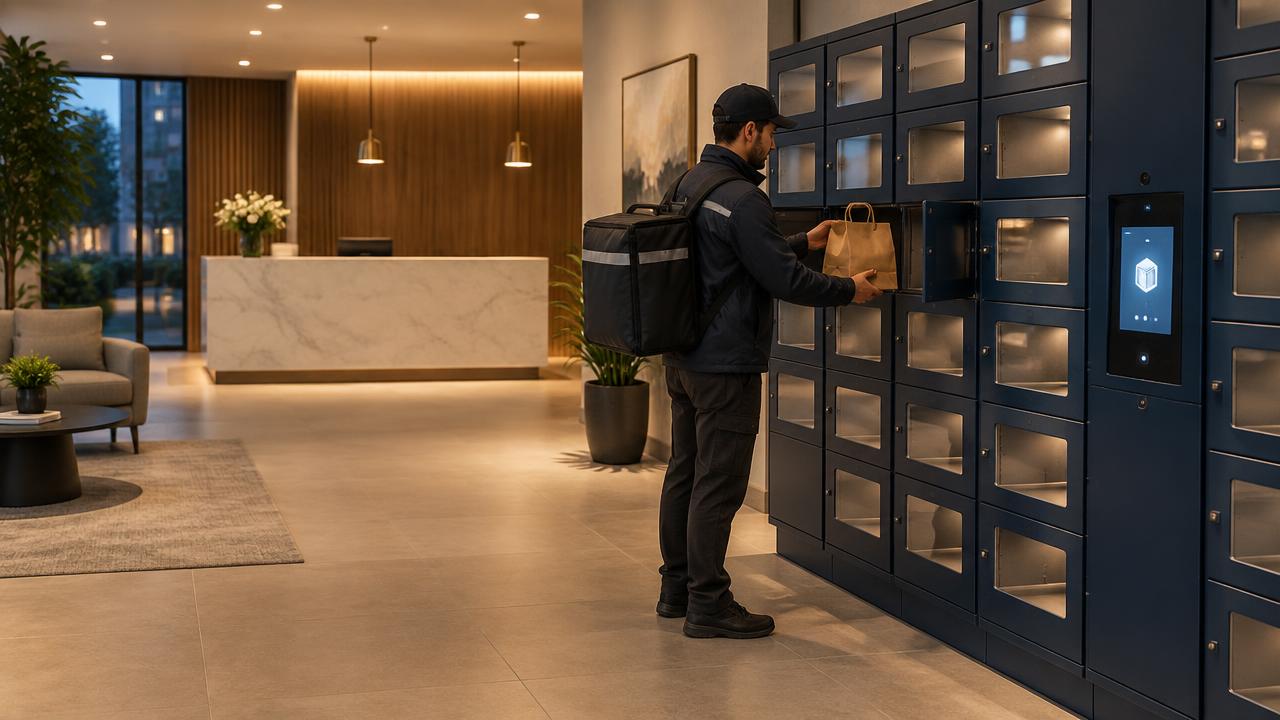
Food delivery operational efficiency: how to solve the food delivery dilemma in your building
Food deliveries drain reception time, compromise security and frustrate residents. How building operators cut handling costs and fix the food delivery dilemma for good.
Food Delivery Lockers in Italy: Food Culture, Condomini and City Centres
Italy takes food seriously — and its dense historic city centres make delivery handover genuinely hard. How smart food lockers serve Italian buildings and restaurants.
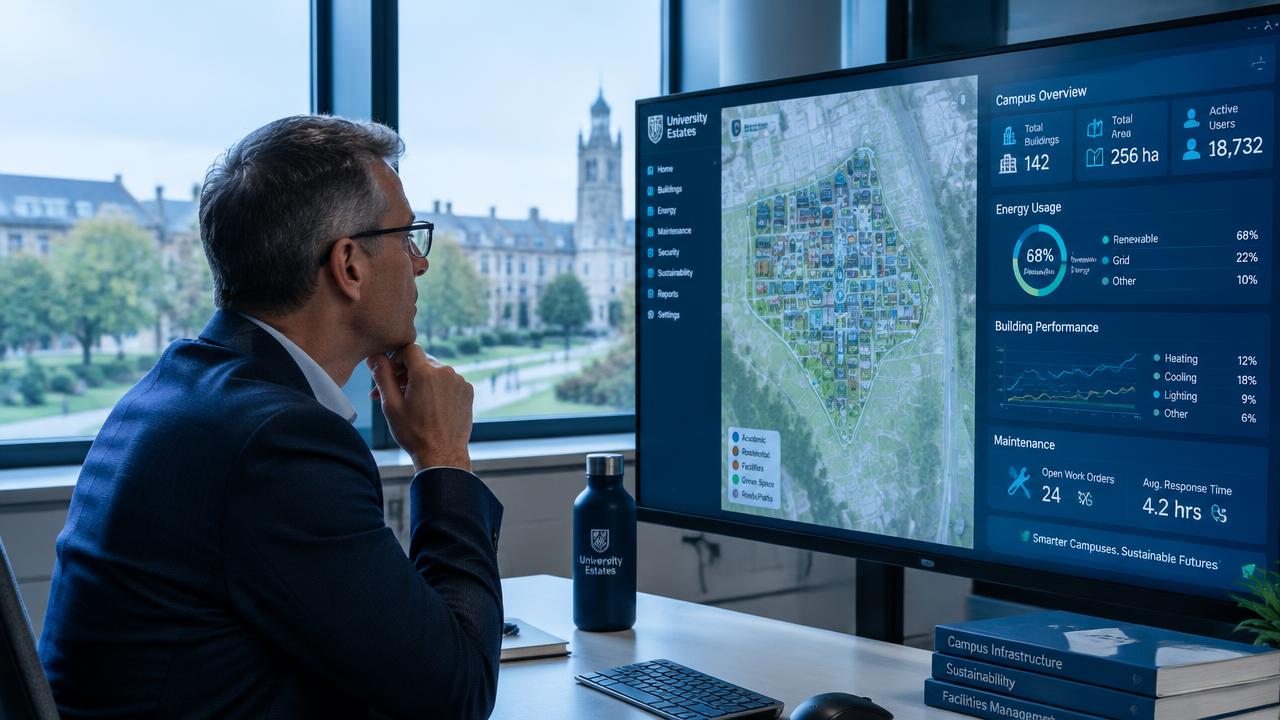
The University Estates Director's guide to the smart campus
What a smart campus really is, where universities are investing, and how to build the business case — a practical guide for Estates and Facilities leaders.
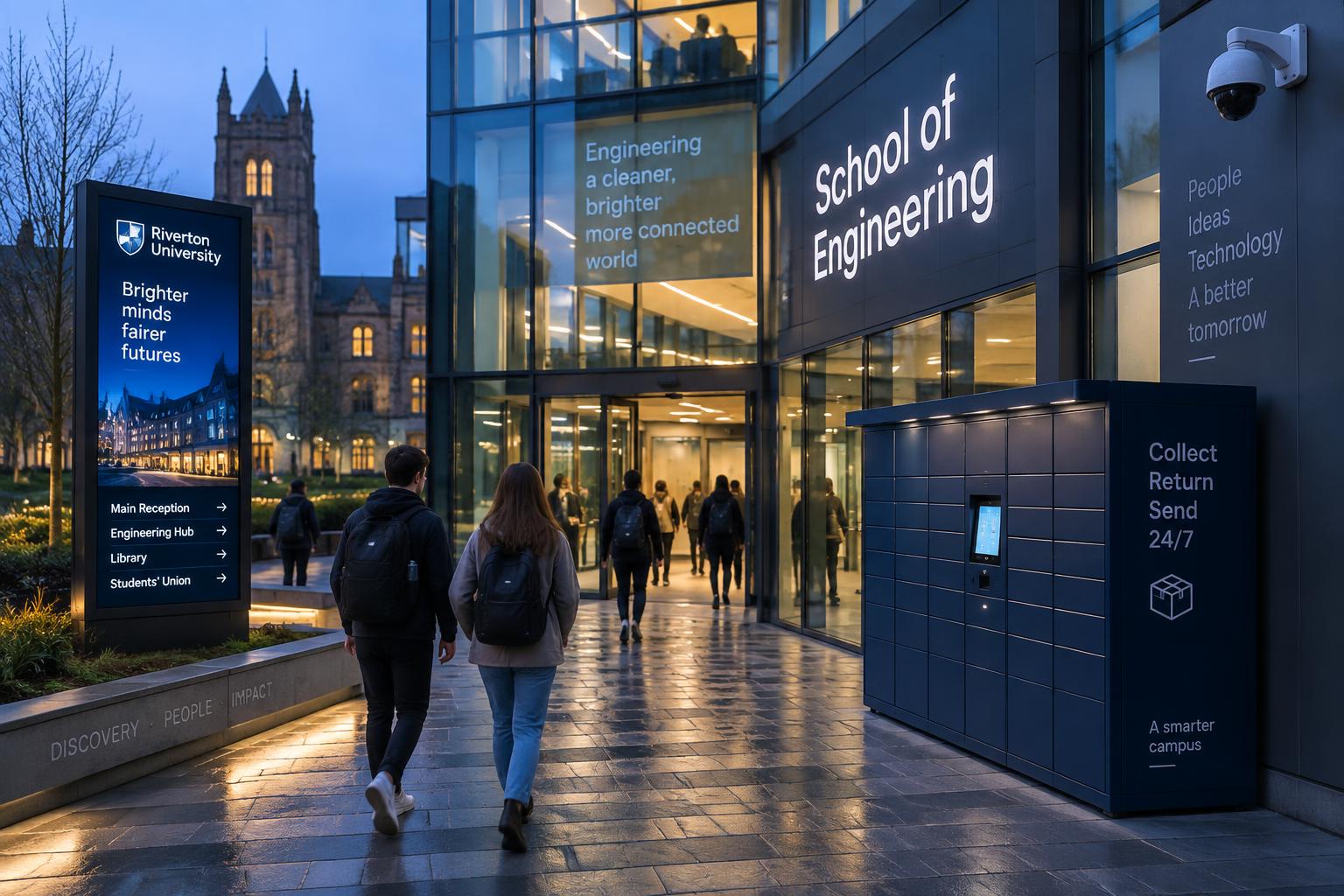
10 smart campus innovations university estates & facilities teams should be watching in 2027
From digital twins and predictive maintenance to smart access control and centralised food delivery hubs — the ten technologies shaping university estates strategy in 2027.
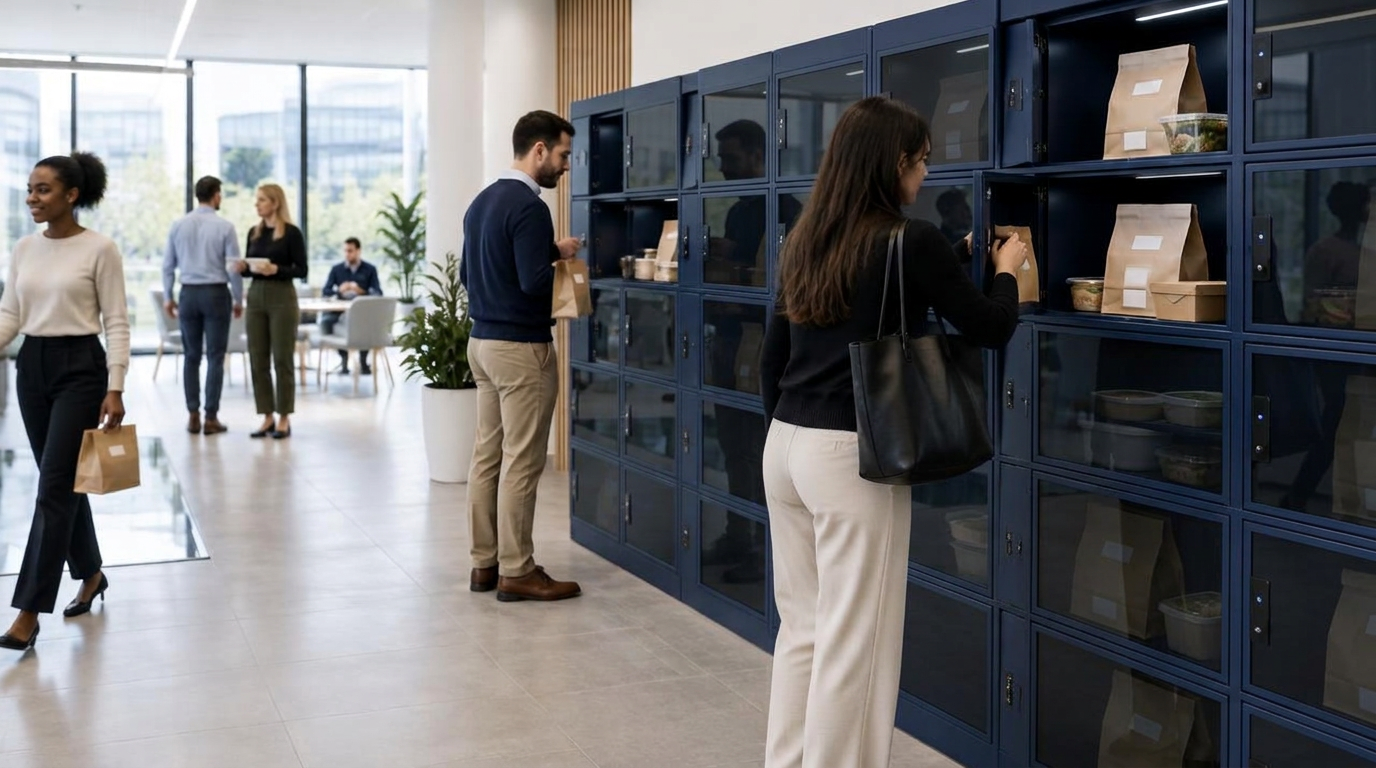
Office lunch delivery providers beyond Deliveroo for Business — and the bulk-distribution problem
Feedr, City Pantry, Pret Delivers and other on-demand workplace lunch providers solve ordering and billing. They don't solve distribution. Here's why 20–100 labelled meals landing at reception still need someone to sort, store and hand them out — and how smart food lockers remove that job entirely.
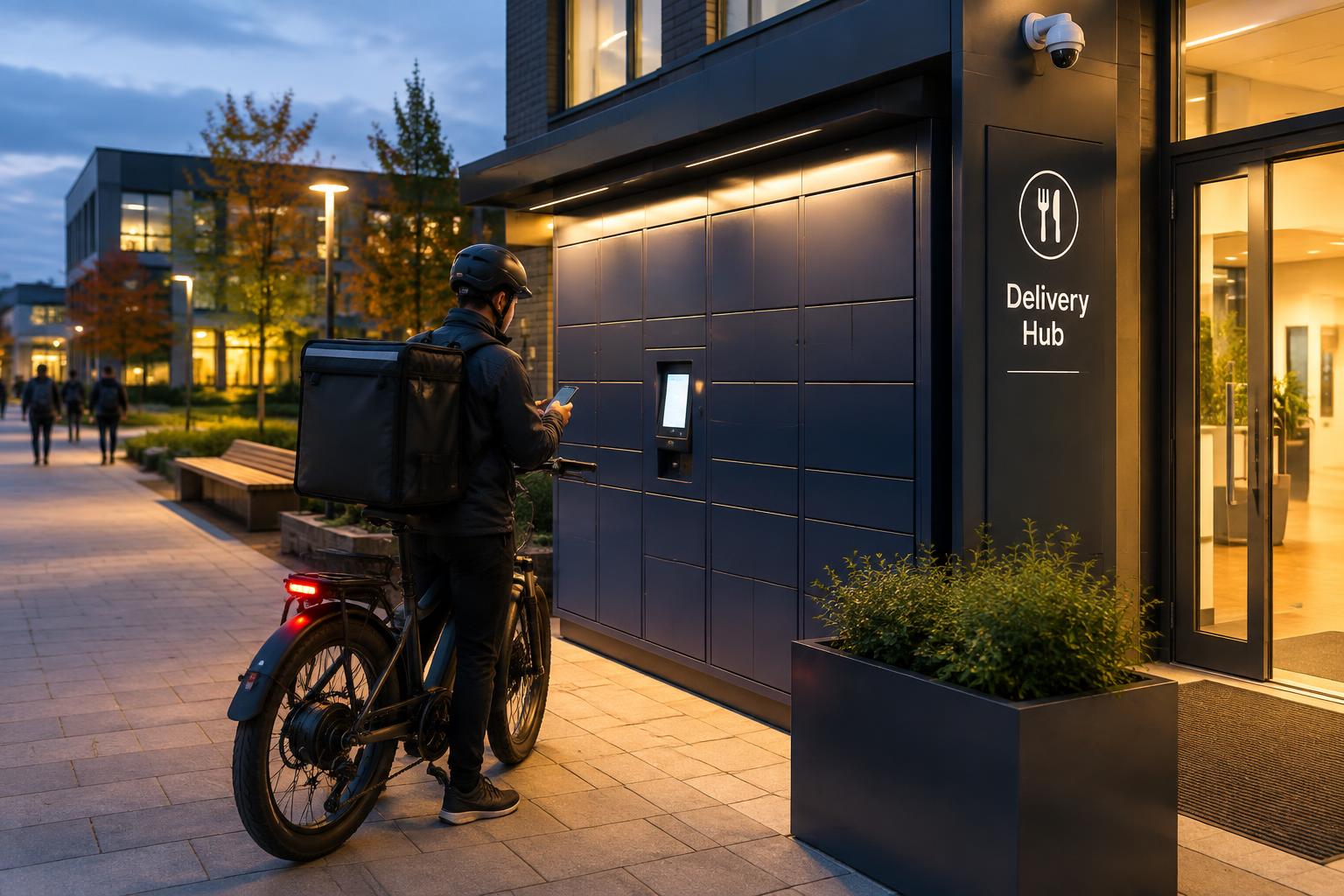
Safer food deliveries: how designated delivery hubs can protect riders and make campus deliveries more efficient
Discover how designated food delivery points and smart lockers can improve rider safety, reduce delivery time and create safer food delivery environments across universities, student accommodation and residential developments.
Food Delivery Lockers in Germany: Packstation Culture Meets Hot Food
Germany already embraces parcel lockers at scale. Here's why food delivery lockers are the natural next step for German residential and workplace buildings.
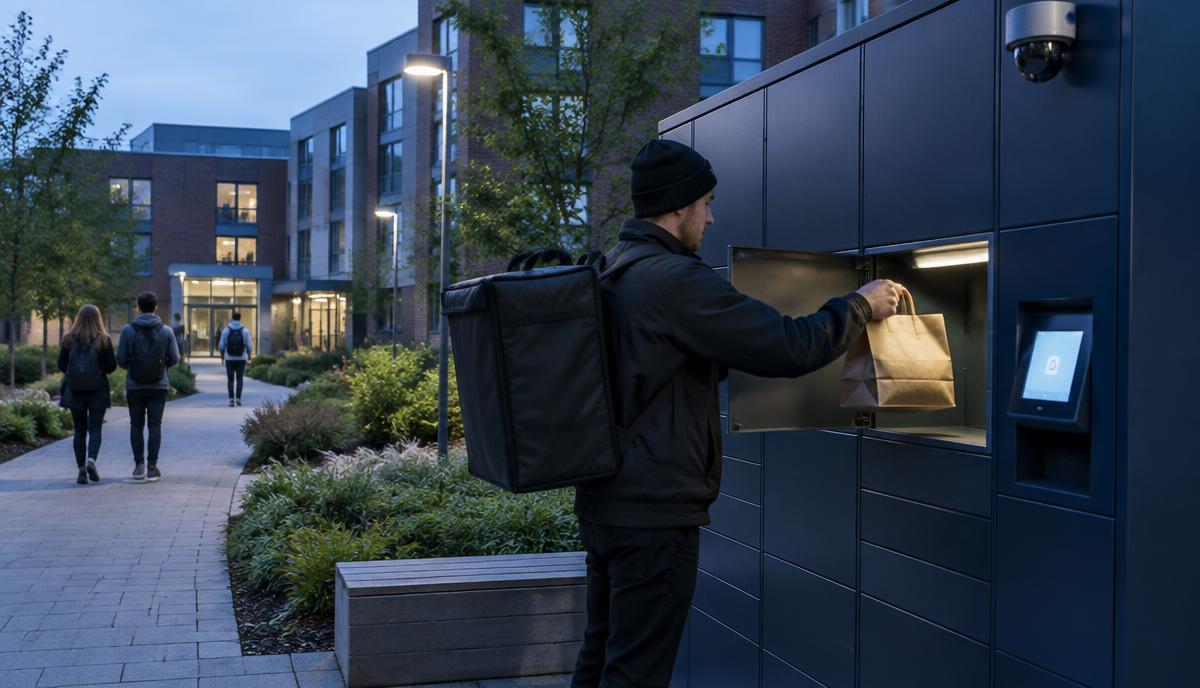
Safeguarding and food delivery on university campuses: protecting students and couriers
Delivery issues in university halls are a safeguarding issue — for students and for the couriers who serve them. Research found 81% of Scottish food delivery couriers feel unsafe at work. Here's how universities build a safer campus delivery model.
Food Delivery Lockers in Spain: Residential Buildings, Restaurants and Late Dining Culture
Spain's late dining hours and dense urban apartment living create a specific food delivery challenge. How smart lockers fit Spanish residential buildings and restaurants.
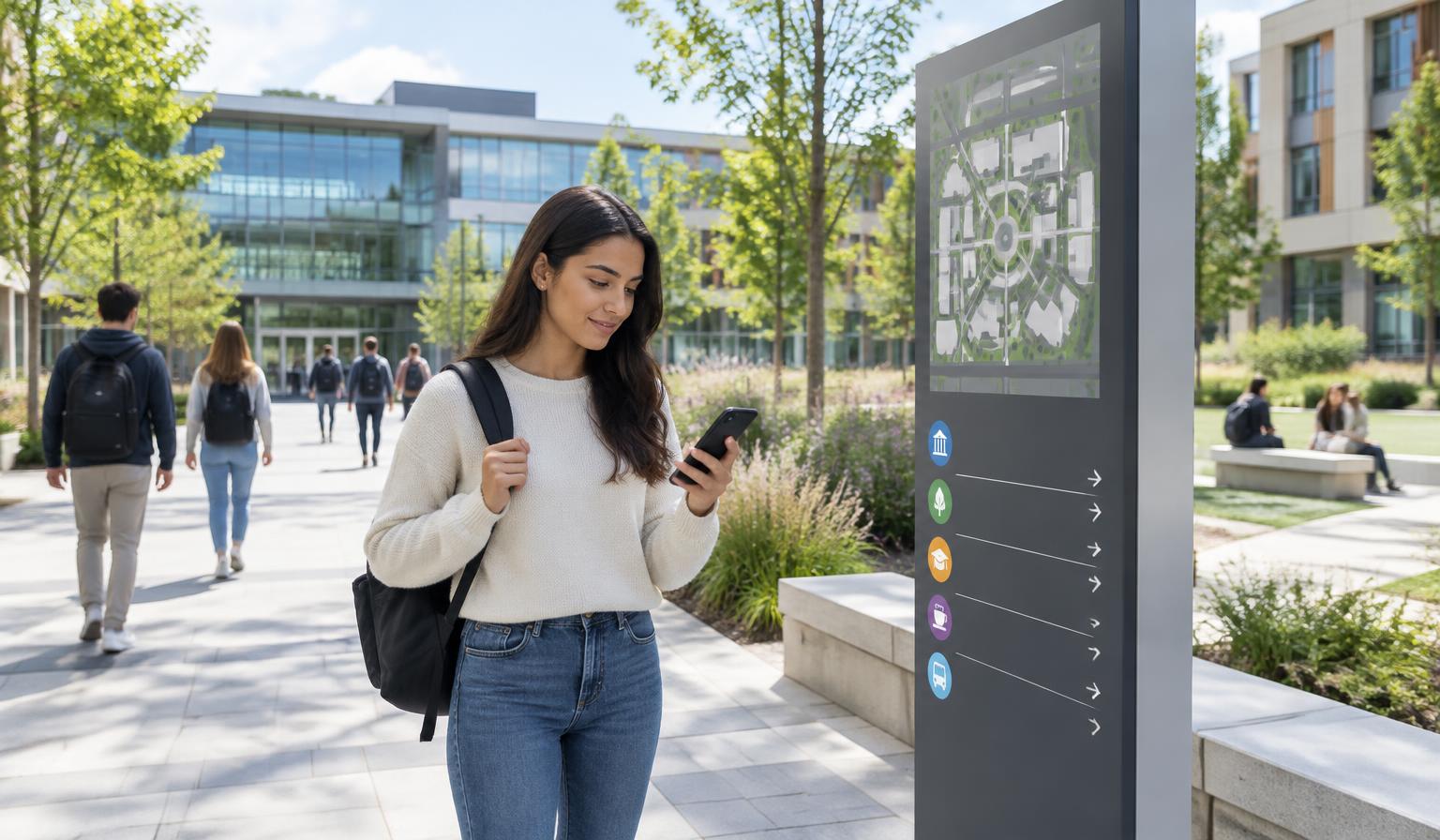
Campus wayfinding and student experience: how universities turn navigation into belonging
Students and visitors judge a campus in the first ten minutes. This guide covers how universities and PBSA operators improve wayfinding, safety and the everyday experience across the estate — and why smart collection points are becoming campus landmarks.
Food Delivery Lockers in Canada: Condos, Campuses and Cold Weather
Canadian condos and campuses face the same delivery chaos as everywhere else — with harsher weather on top. How insulated smart lockers fit the Canadian market.
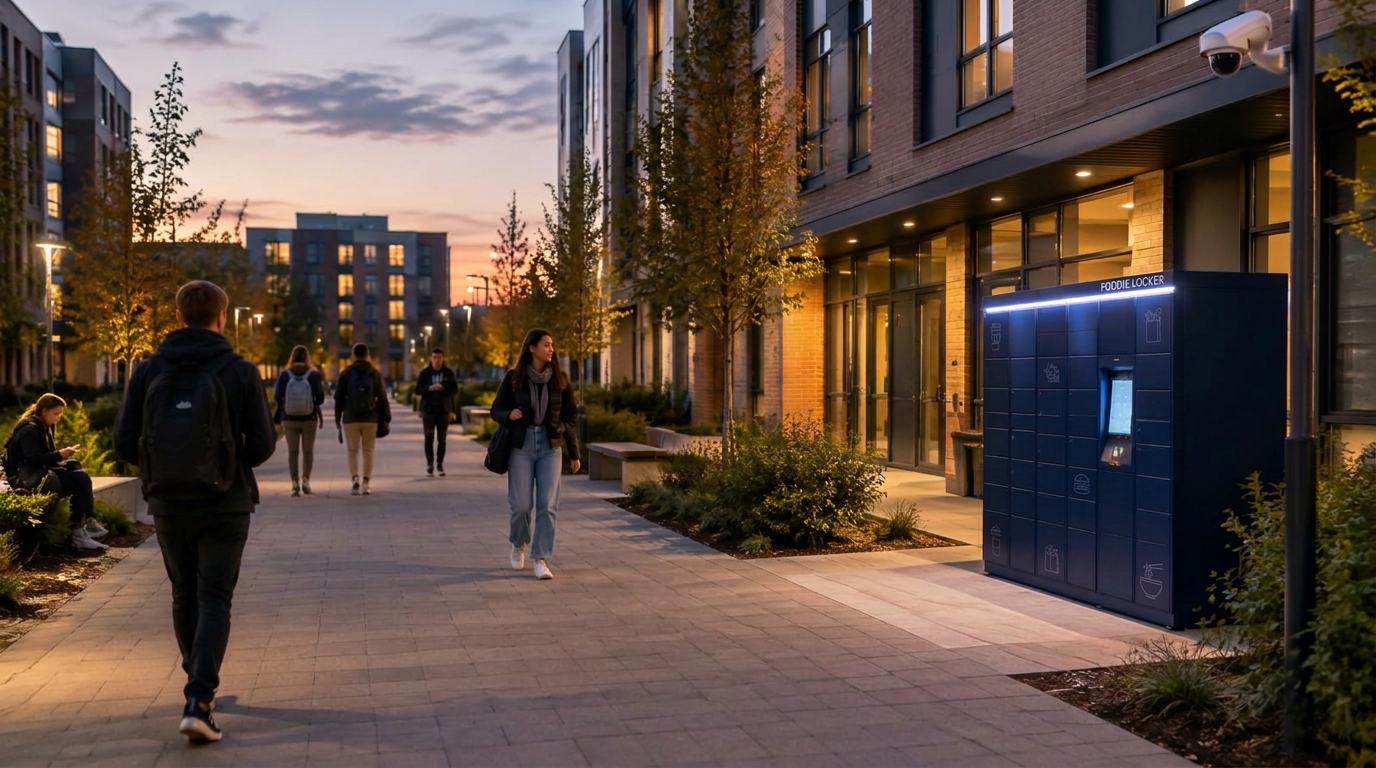
How to reduce security guard costs on student campuses — without compromising student safety
Security guarding is one of the largest controllable costs on a university campus or PBSA estate. Here's how leading operators cut guard hours and patrol spend while actually improving student safety — using layered infrastructure, automation and data instead of headcount.
Food Delivery Lockers in the USA: What Building Operators Need to Know
Food delivery volume in American apartment buildings, campuses and offices keeps climbing. Here's how smart food lockers solve the lobby problem in the US market.
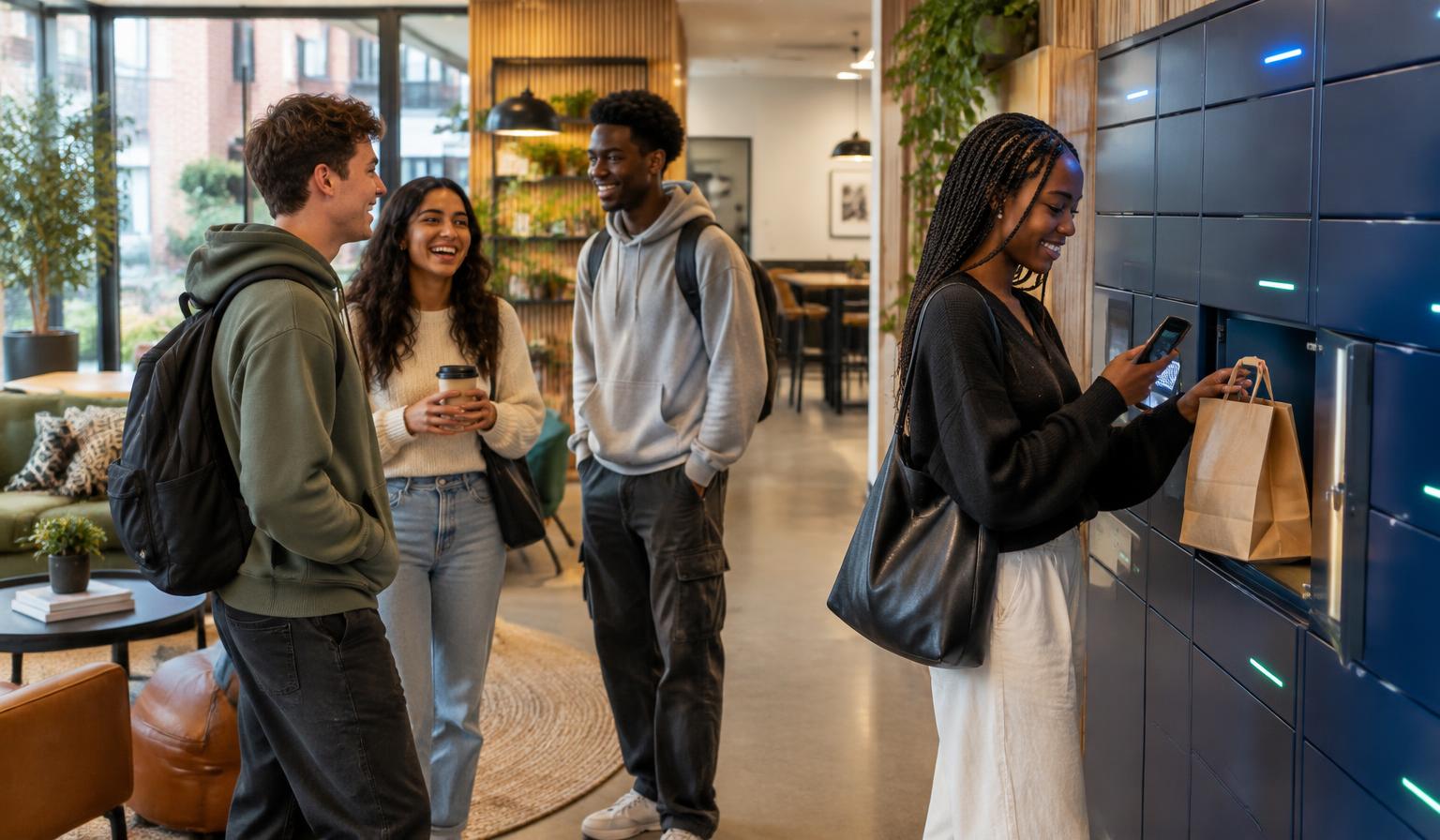
How to build a cost-effective resident engagement strategy for residential buildings and student accommodation
How do you build a resident engagement programme without adding headcount? This guide covers the most cost-effective ways to engage residents across BTR, co-living, PBSA and student campuses — and why the highest-frequency touchpoint in your building is the one you already have.
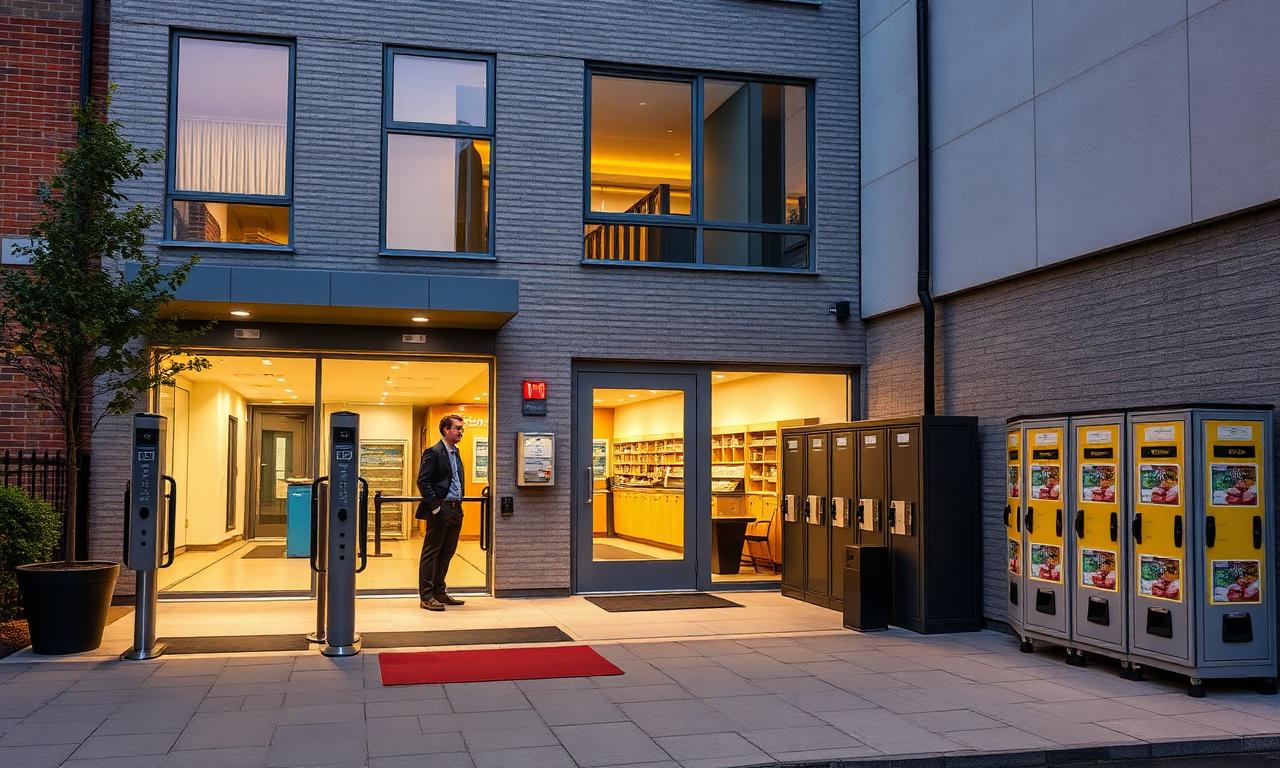
Student safety in PBSA: how leading UK operators are fixing food delivery risk
Students take more food, grocery and meal-kit deliveries per head than any other UK residential demographic — almost all of it late at night. Here's the 2026 PBSA playbook for protecting lone students without locking down the building.
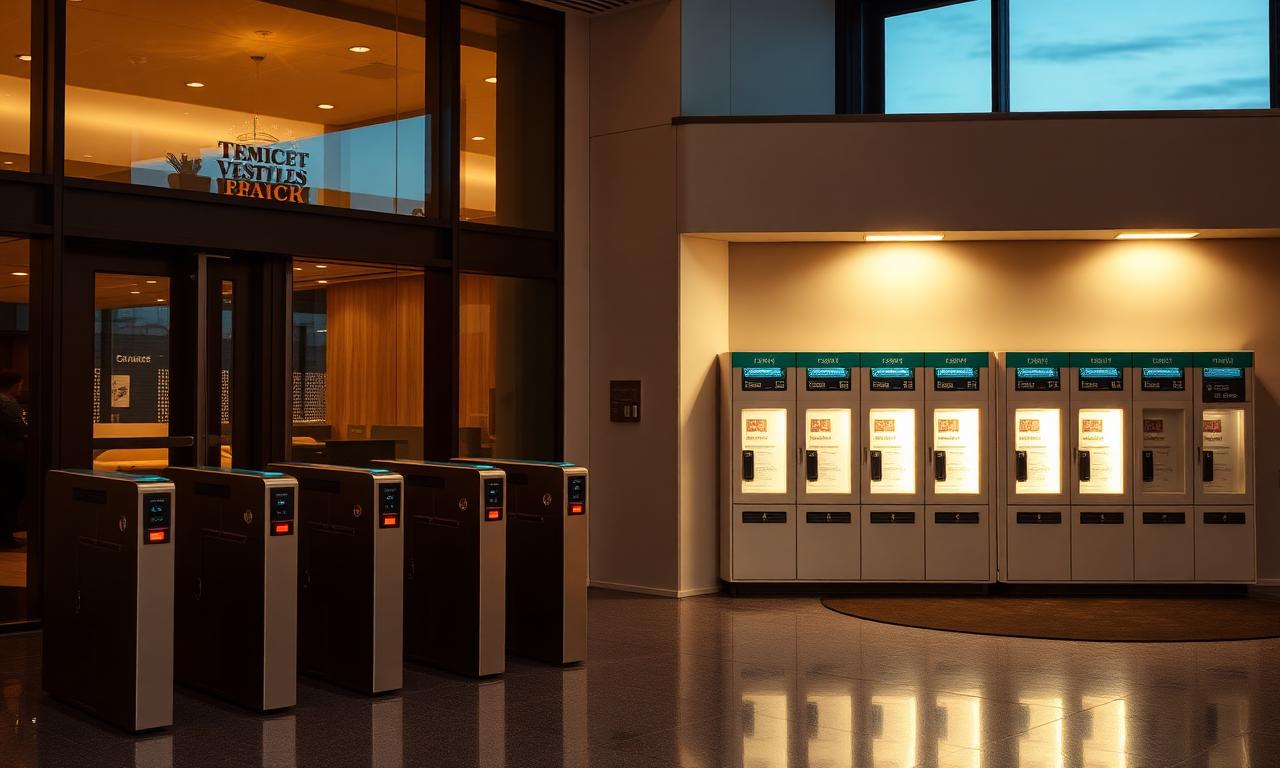
Workplace food delivery security: the 2026 playbook for London offices
Food courier tailgating, lobby congestion and wrong-floor deliveries have quietly become the biggest unforced security failure in London commercial buildings. Here's how leading landlords are fixing it without restricting how employees eat.
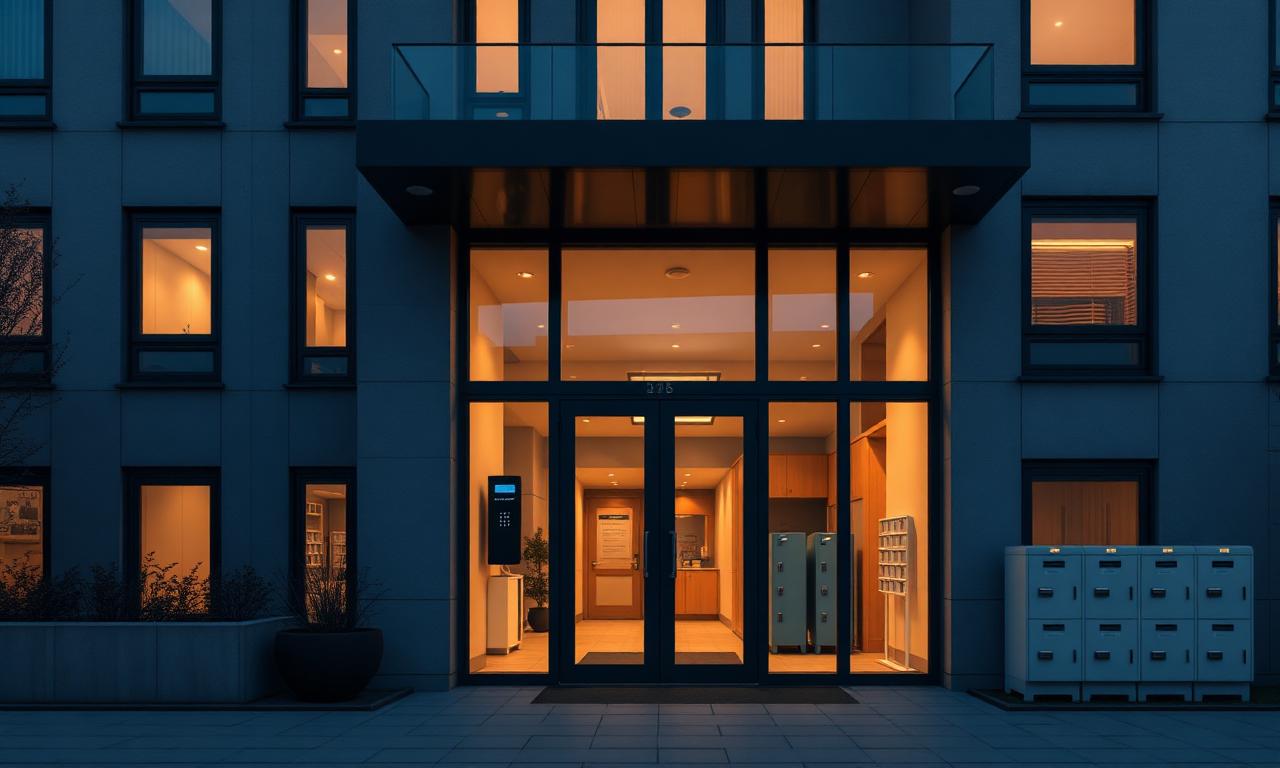
How to improve security in residential buildings: the 2026 operator guide
A practical, layered playbook for improving security in UK residential buildings — covering access control, courier and visitor management, CCTV, concierge protocols, fire-door discipline and the resident behaviours that quietly create the biggest risks.
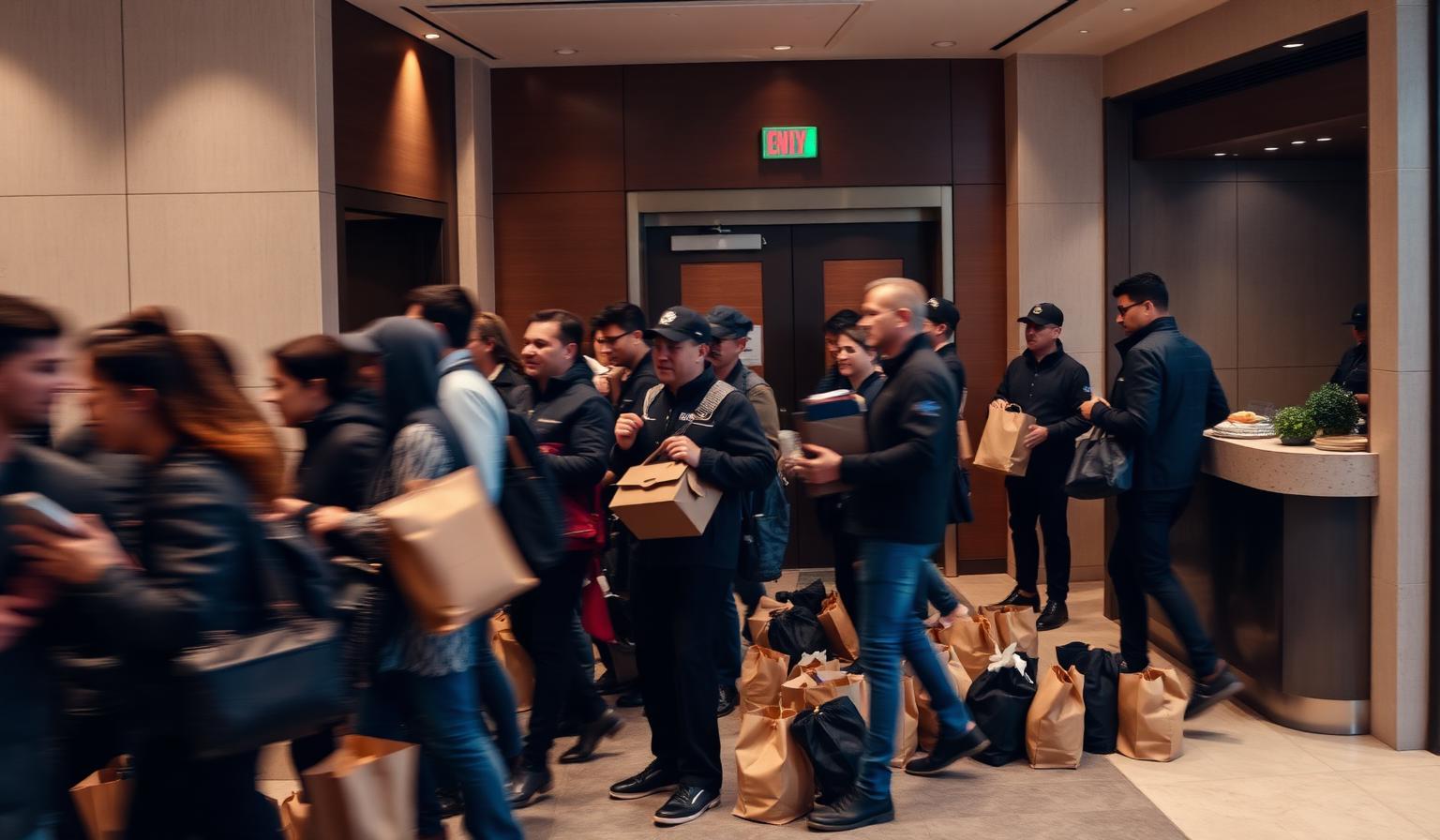
The 7 challenges of apartment food delivery — and how UK operators are solving them
Food delivery has become the single biggest operational pressure in UK apartment lobbies. Here are the seven challenges every BTR, PBSA and leasehold operator is facing in 2026 — and the playbook the leading operators are using to solve them.
UK apartment food delivery: the 2026 data report
The first UK-specific data report on food delivery in residential apartments. Couriers per 100 flats per week, % of concierge time lost, fire-door prop rates, complaint volume and what it costs operators. Free to cite.
Why apartment service charges keep rising — and the 4 lobby costs operators can actually engineer out
Apartment service charges in UK Build-to-Rent and leasehold flats keep rising year on year. Here's the honest breakdown of what's driving it, the four lobby cost lines operators can actually engineer out with infrastructure, and what residents and operators should ask for next.
How to reduce BTR operating costs without cutting resident experience
A practical guide for UK Build-to-Rent owners and asset managers on reducing operating costs and lifting NOI without cutting the resident experience that justifies the rent premium. Concierge automation, delivery infrastructure, service-charge optimisation and the OpEx lines worth attacking first.
How much does a residential concierge actually cost? A 2026 UK breakdown
A transparent breakdown of what a residential concierge actually costs UK apartment buildings, BTR and PBSA operators in 2026. Hourly rates, 24/7 cover maths, hidden on-costs, what 30–45% of the day is spent on, and the four cost lines smart infrastructure can engineer out.
Virtual concierge vs human concierge: cost, coverage and what residents actually notice
A side-by-side comparison of virtual concierge and human concierge models for UK apartment buildings, BTR and co-living. Real cost numbers, 24/7 coverage maths, resident-experience trade-offs and the hybrid model most operators end up running.
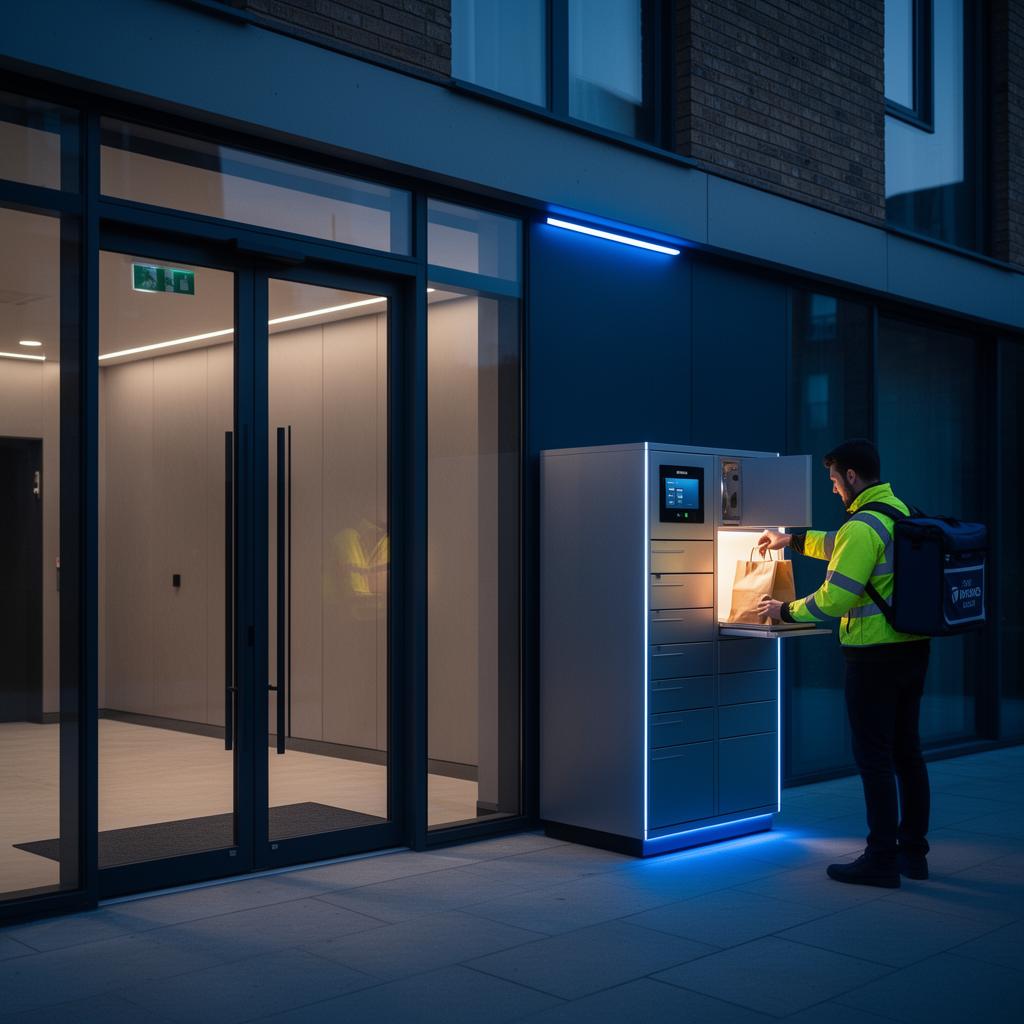
How to stop food couriers entering your apartment building (without banning delivery)
A step-by-step guide for UK building managers on how to stop food delivery couriers entering your apartment building — without banning Deliveroo, Uber Eats or Just Eat. Covers perimeter-accessible lockers, intercom rules, concierge scripts, signage, Building Safety Act mapping and the policy wording that makes it stick.
BTR food delivery policy template (free, editable) for UK Build-to-Rent operators
A free, editable Build-to-Rent food delivery policy template UK operators can adapt in 30 minutes. Includes the designated drop-zone clause, courier access rule, fire-door clause, resident communication, audit logging, Building Safety Act mapping and a sample written policy you can copy.
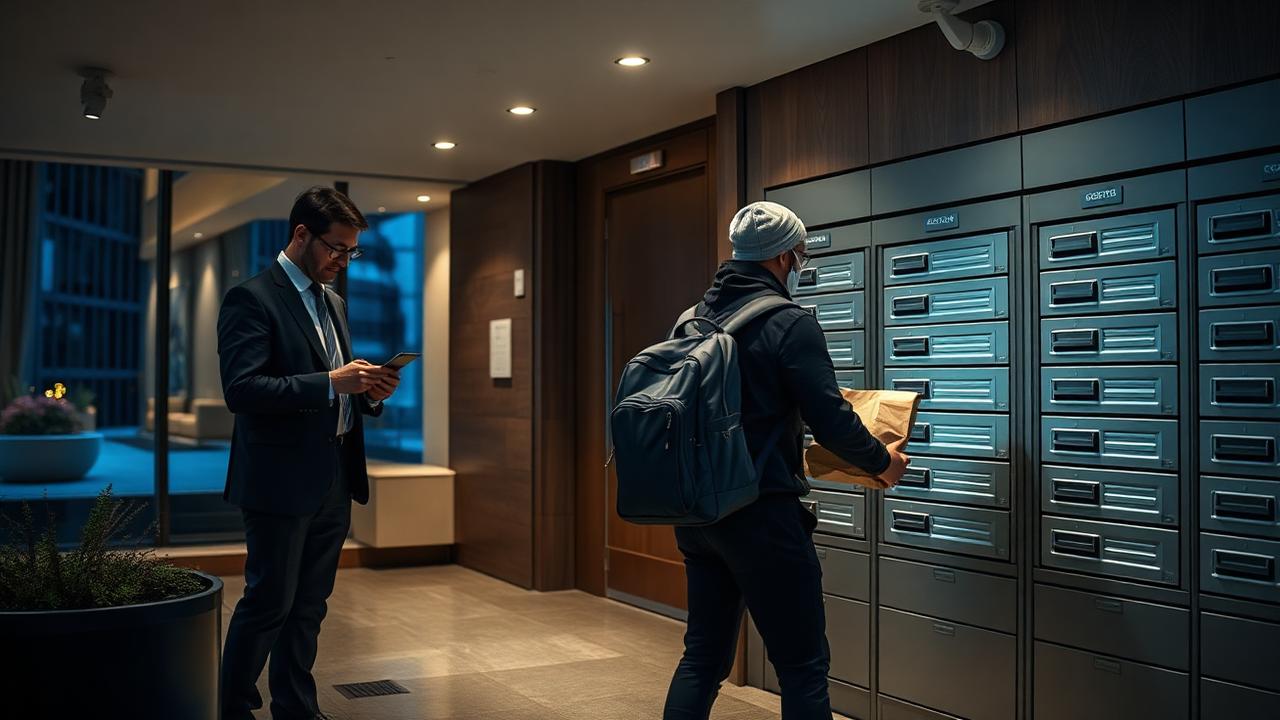
Apartment food delivery security: a building manager's playbook
A practical playbook for UK apartment, BTR and PBSA building managers to secure food delivery operations: courier access control, fire-door compliance, chain-of-custody, late-night safeguarding, audit logging and the policy template that turns the whole thing into a written control.
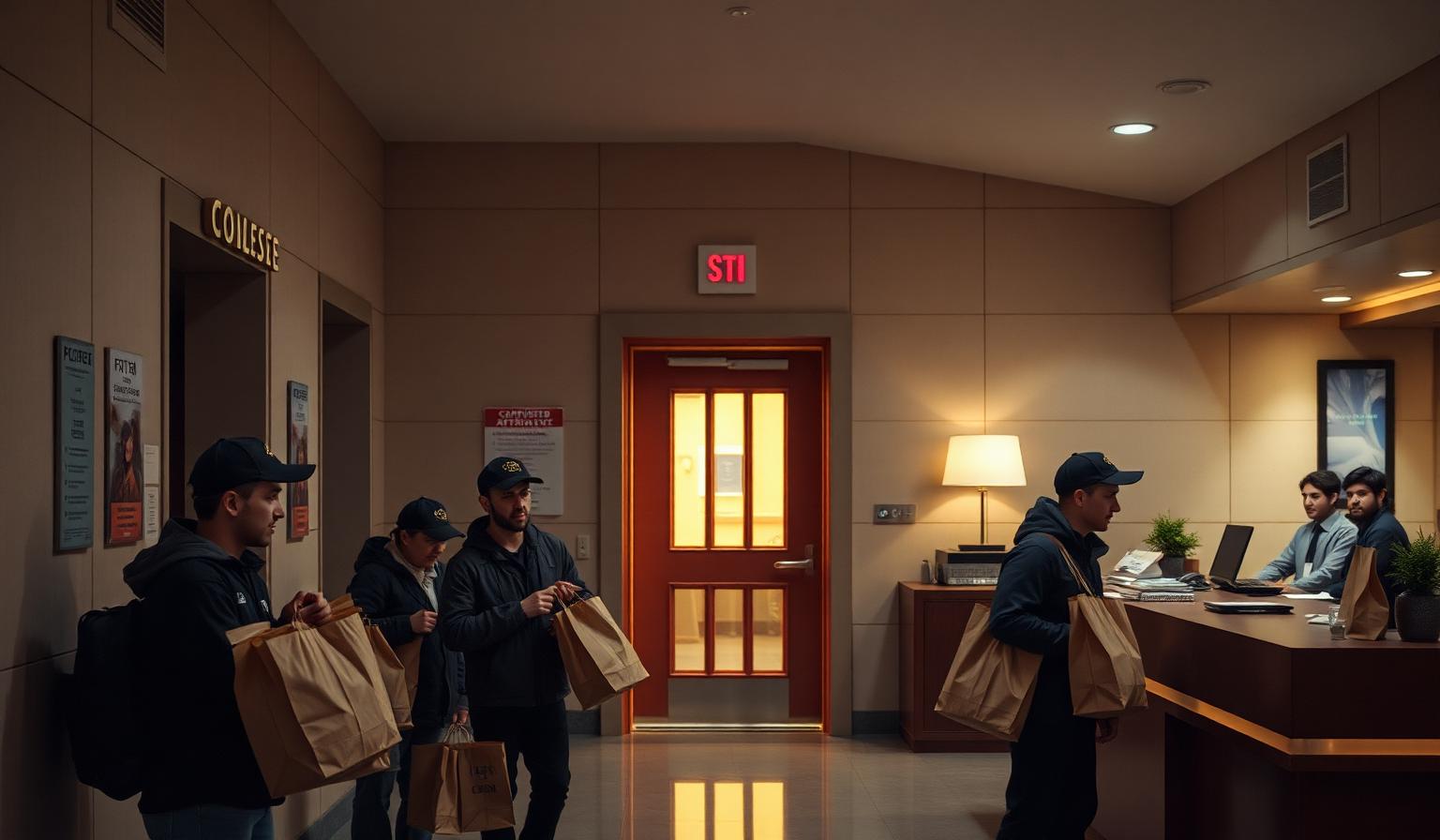
Food delivery issues for residential buildings: the 9 most common problems (and how to fix them)
Food delivery in residential buildings creates nine recurring issues — courier access, propped fire doors, lobby theft, cold food, failed handoffs, late-night safety, concierge overload, refund disputes and Building Safety Act exposure. Here's a definitive breakdown of each problem and the proven fixes UK operators are using.
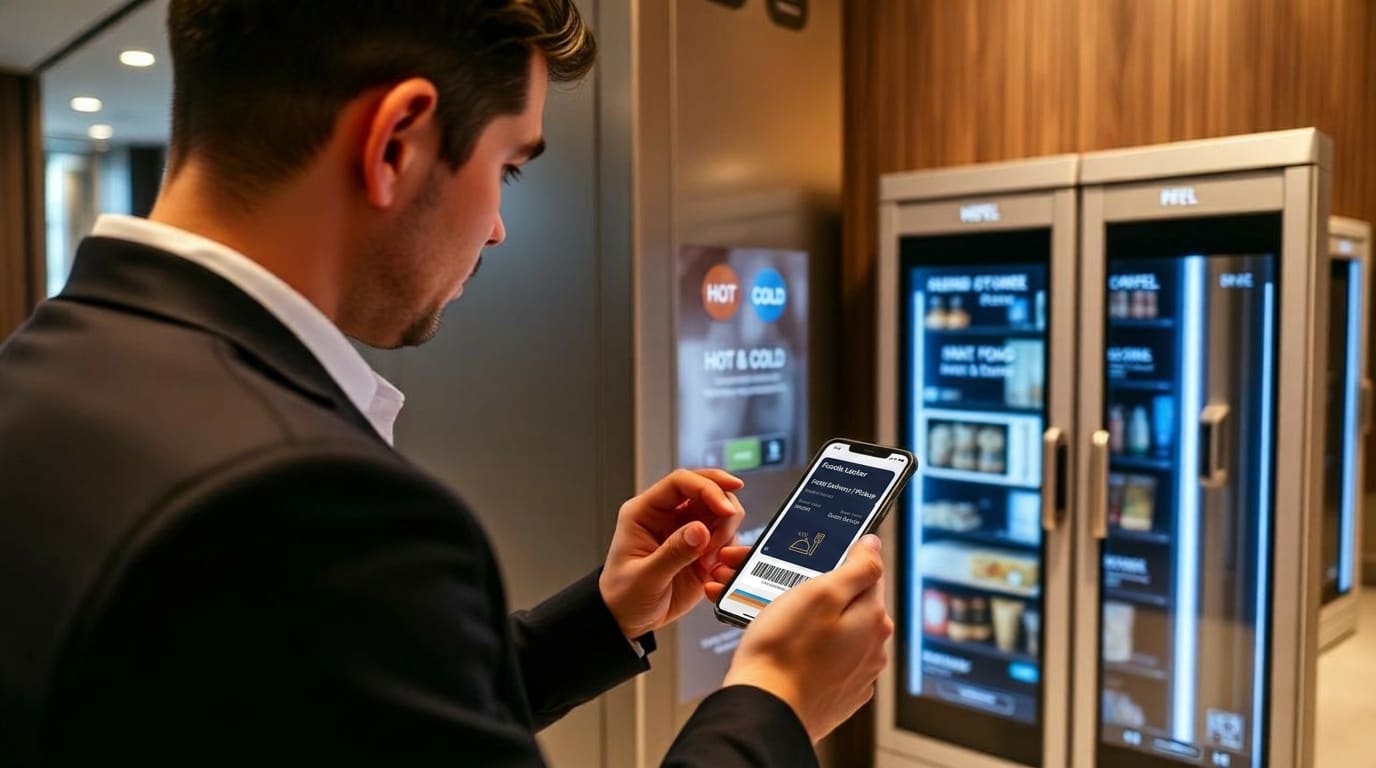
Integrating Foodie Locker into hotel apps and PMS — or running it standalone: a deployment guide
Foodie Locker can plug into a hotel's existing guest app and PMS for a fully branded experience, or run as a standalone amenity with its own QR-and-PIN flow. Here's how each deployment model works, what it integrates with (Opera, Mews, Cloudbeds, IHG, Marriott Bonvoy apps), and how to choose the right path for your estate.
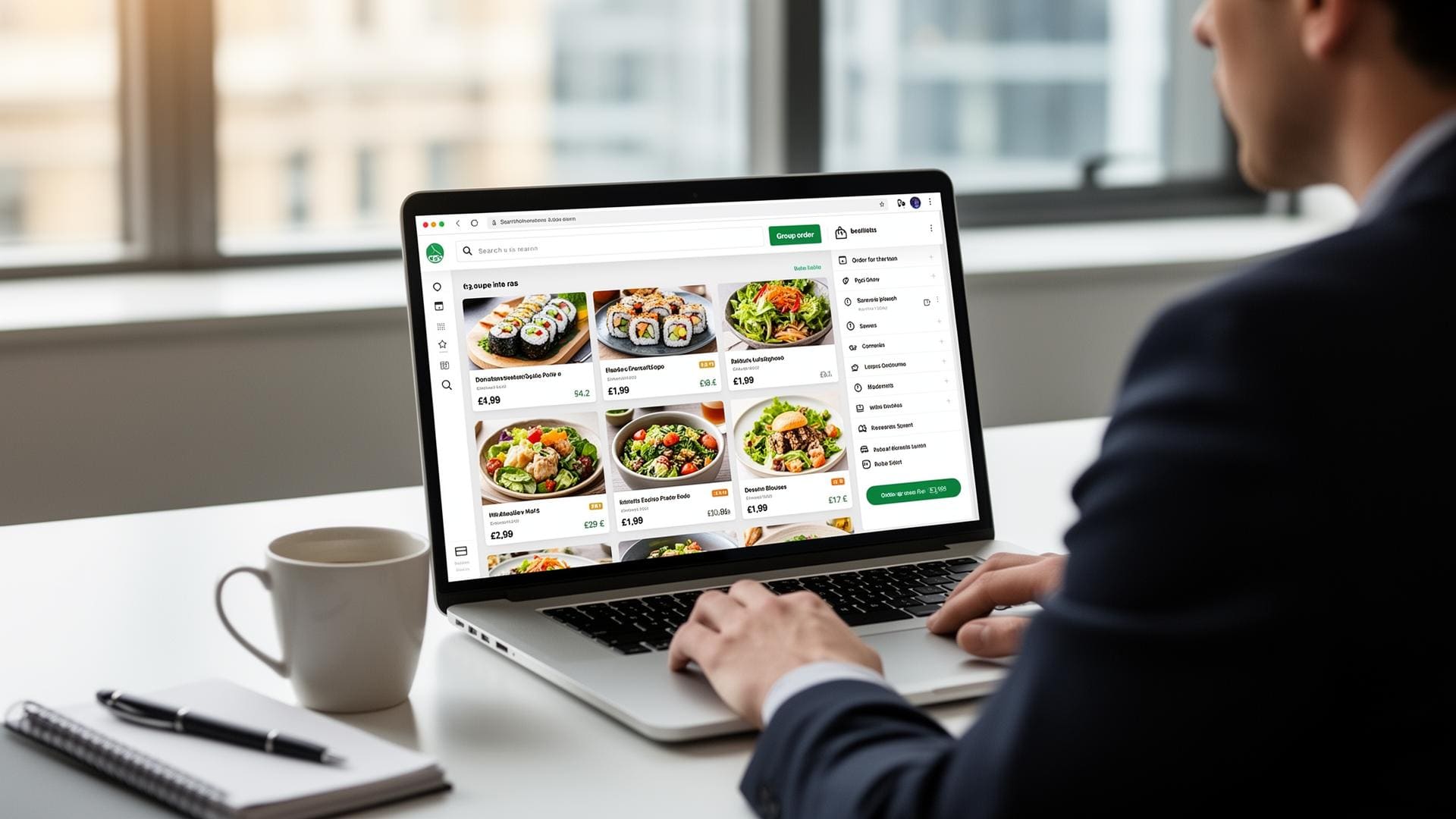
How London offices are using food, deliveries and amenities to bring people back — and the in-building infrastructure that makes it work
Three days a week in the office is the new normal. Mandates aren't working — amenities are. Here's how London occupiers are winning the return-to-office argument with food, on-demand delivery and in-building handoff infrastructure, and why Foodie Locker has become the lobby layer that ties it together.
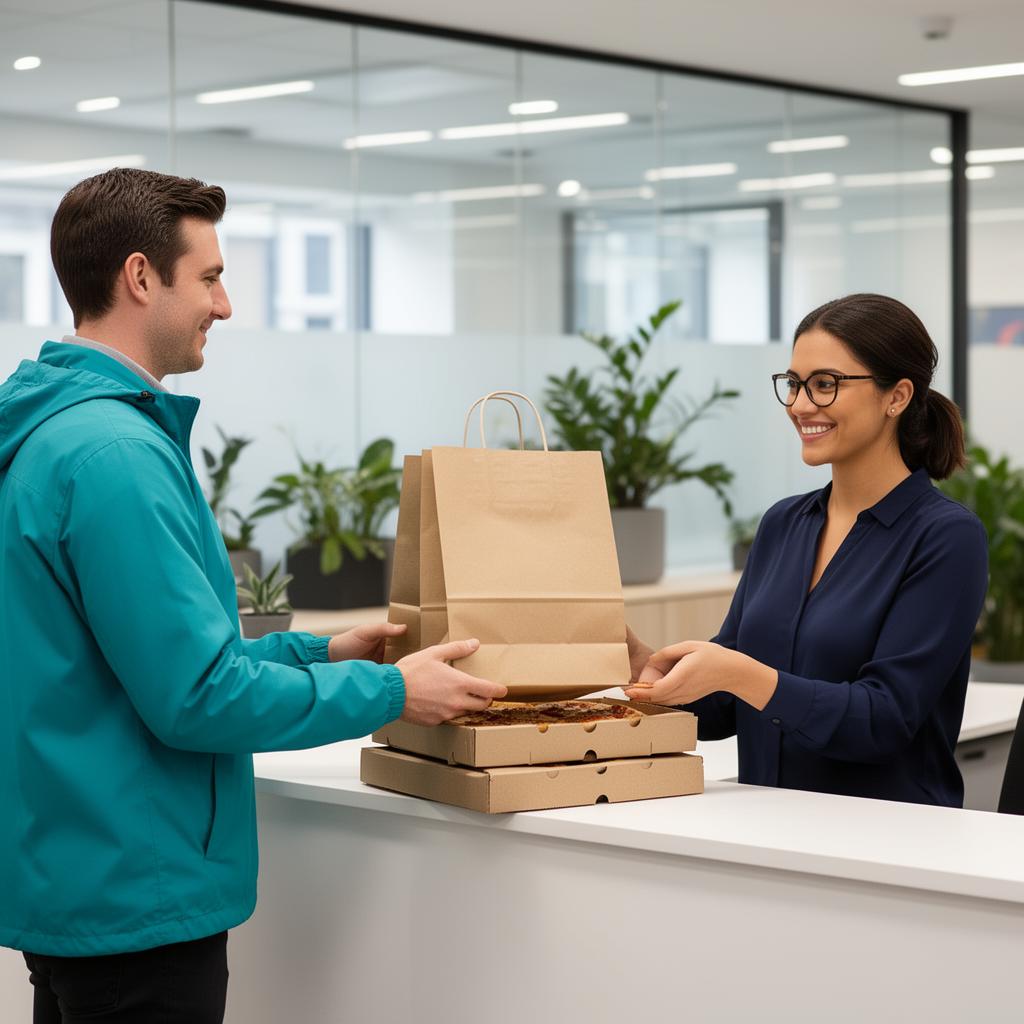
Deliveroo for Business vs Uber Eats for Business in London offices: a buyer's guide
Deliveroo for Business and Uber Eats for Business both give London teams expense-free lunches, late-night dinners and client catering on one bill. Here's how they compare, what they cost, where they fall down in secure office blocks, and how a Foodie Locker handoff point closes the last 30 metres.
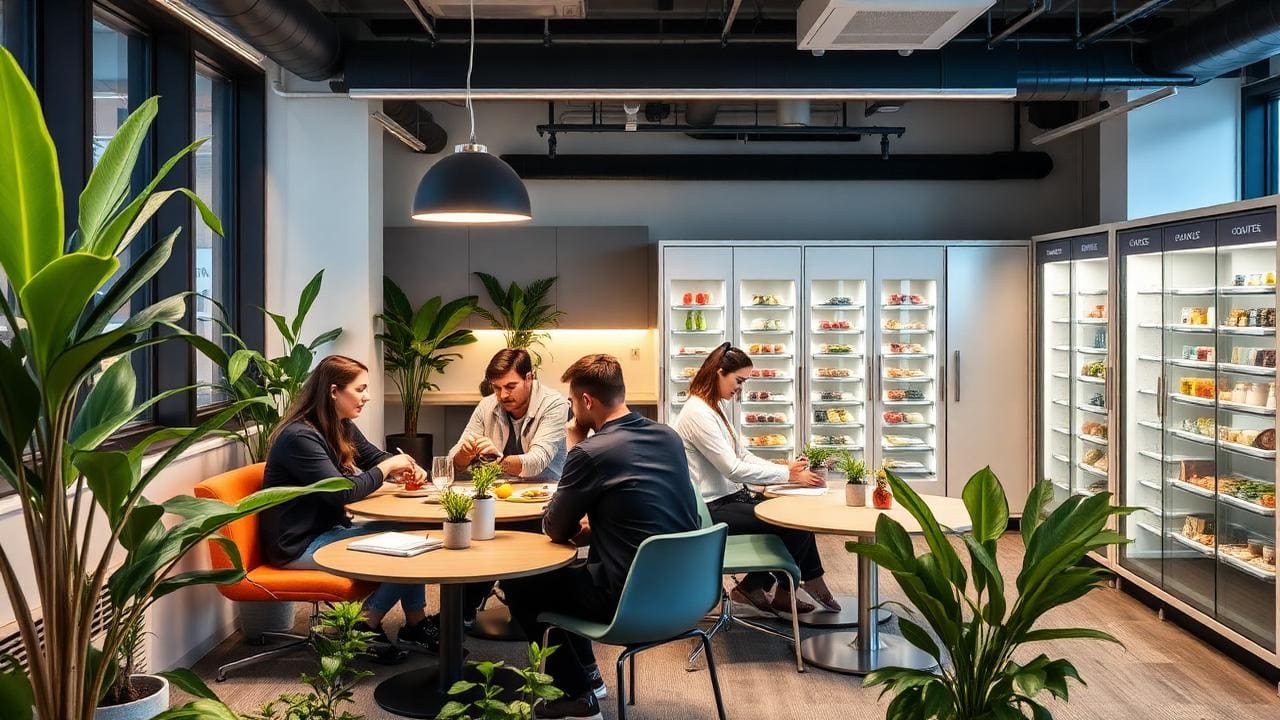
How to encourage employees back to the office: the amenities that actually work
Free coffee and ping-pong tables don't move the dial. Food, flexibility and frictionless convenience do. Here's what occupiers in London, Manchester and Edinburgh are spending on to lift office attendance — and what to skip.
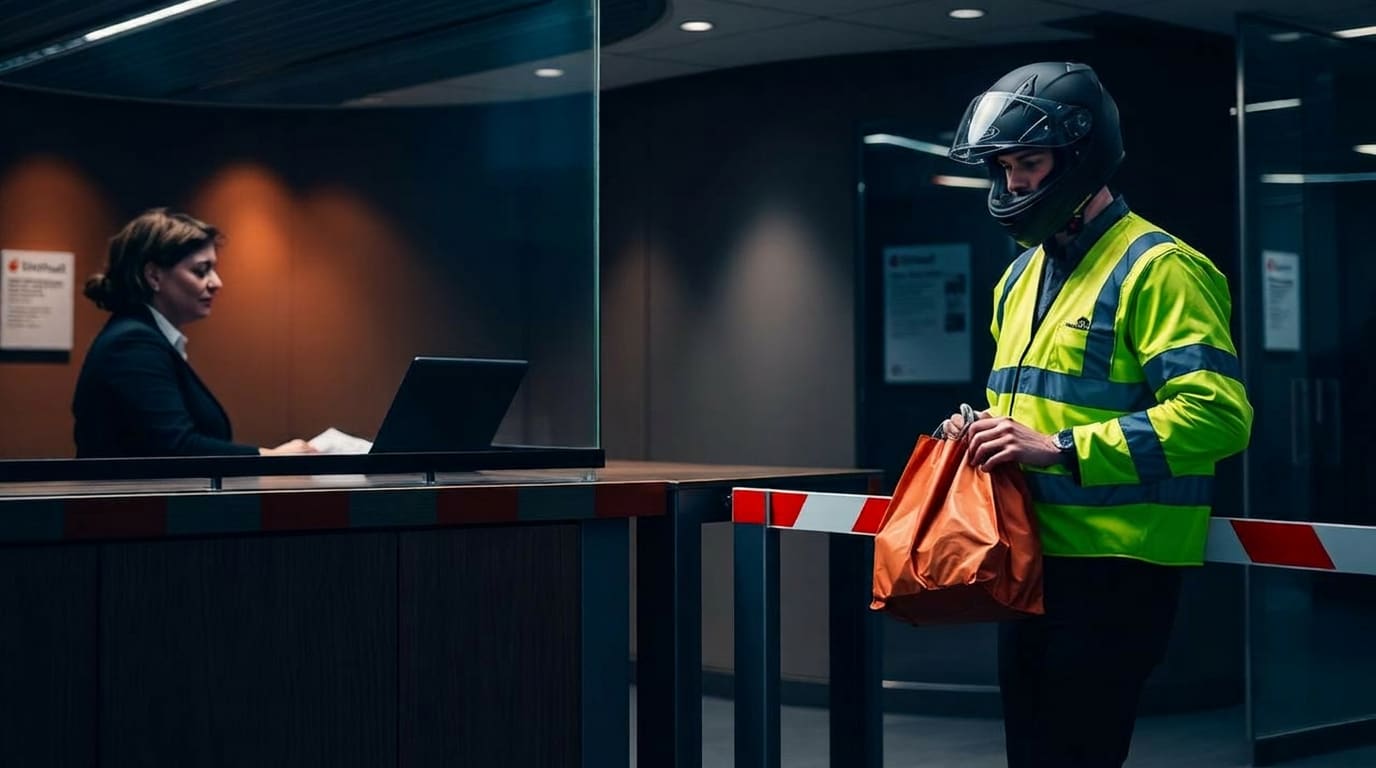
Office food delivery in London: the secure handoff problem nobody talks about
Most London offices have working delivery platforms and broken delivery handoff. Couriers turned away at security, bags piling on reception, cold lunches and lost orders. Here's how a 24/7 lobby locker solves the last 30 metres of office food delivery.
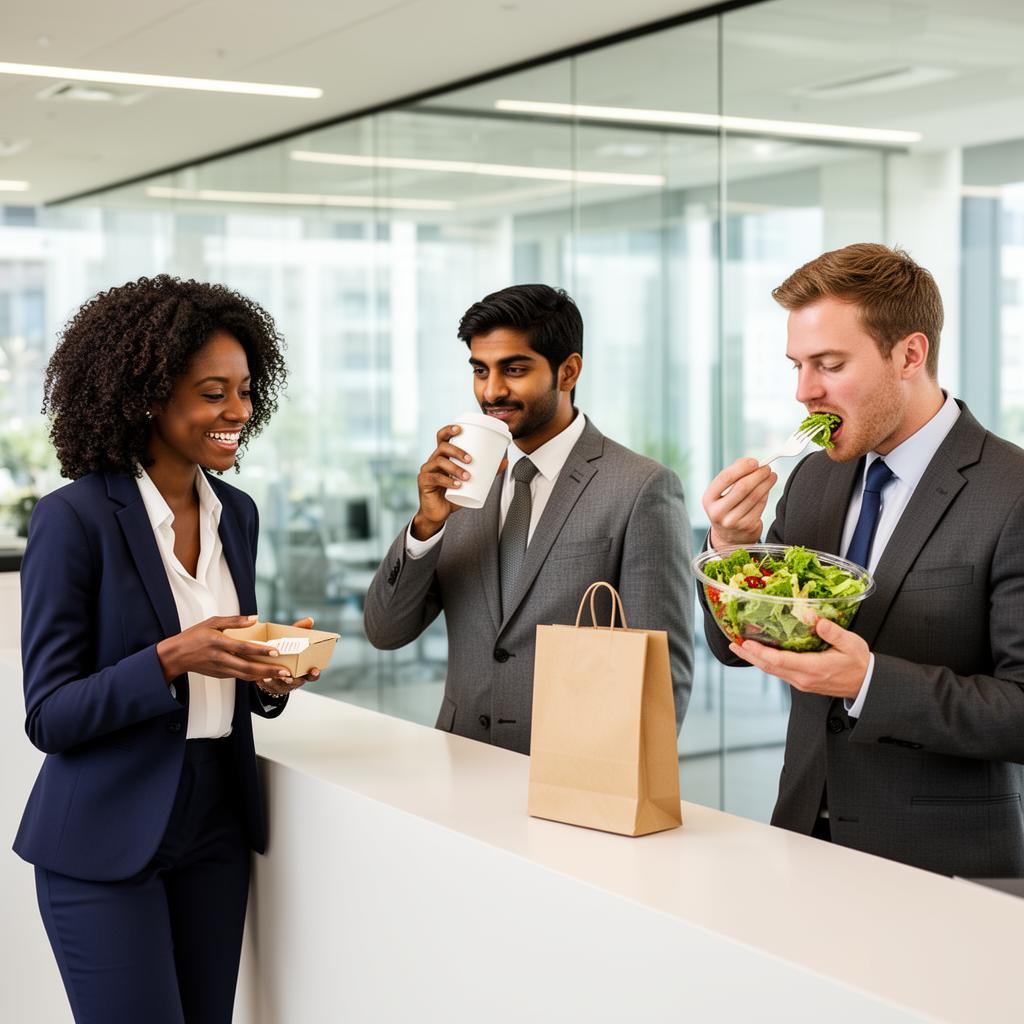
From reception bottleneck to self-serve: rethinking office deliveries in multi-tenant buildings
In a 30-tenant office block, reception was never sized to triage 500 lunch deliveries a day. Here's the operational case for moving from reception-managed handover to self-serve smart lockers — with the numbers, the workflow change and the resident-experience upside.
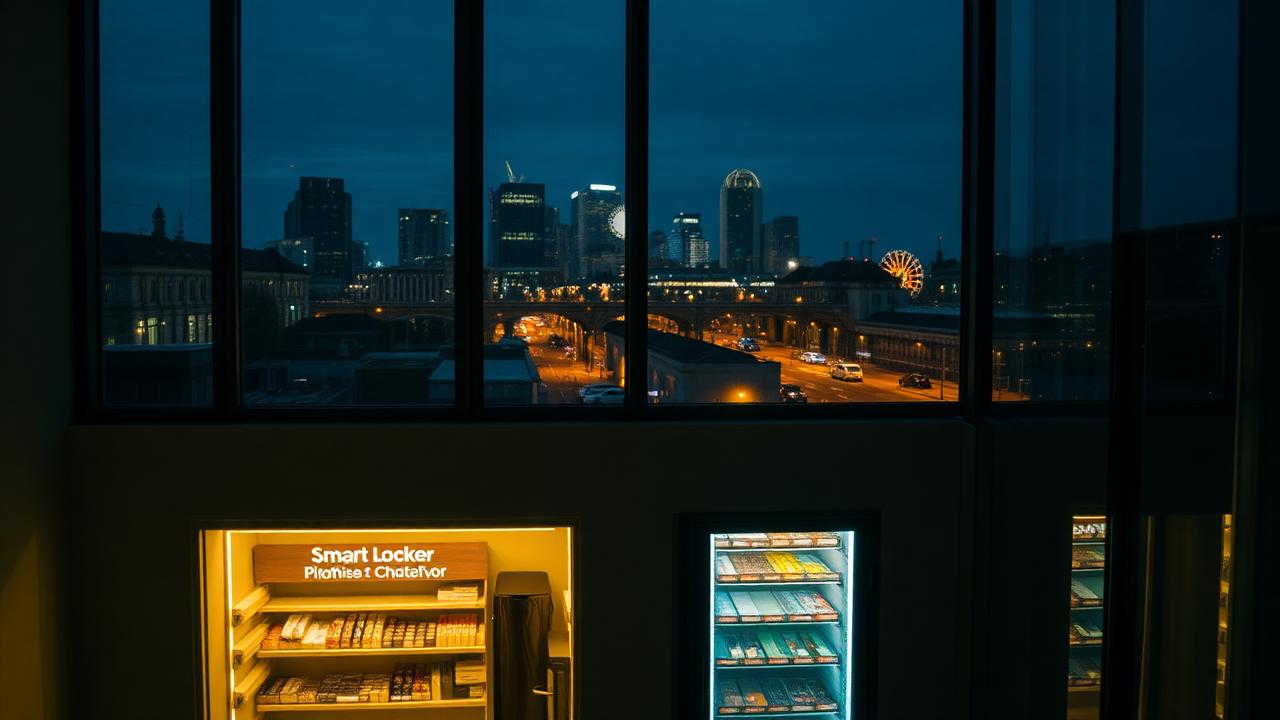
Late-night working: how London offices are feeding the 7pm-to-midnight shift
Finance, law, agency and tech teams in London still work late — and the canteen, the concierge and the kitchen all close at 6pm. Here's how 24/7 delivery and a secure lobby locker keep the late shift fed safely.
Deliveroo for Business vs Uber for Business vs Just Eat for Business: which fits London offices best?
Three platforms, three pricing models, three different views on what 'corporate food delivery' should look like. Here's an honest side-by-side comparison for London office occupiers — with the locker-handoff implications baked in.
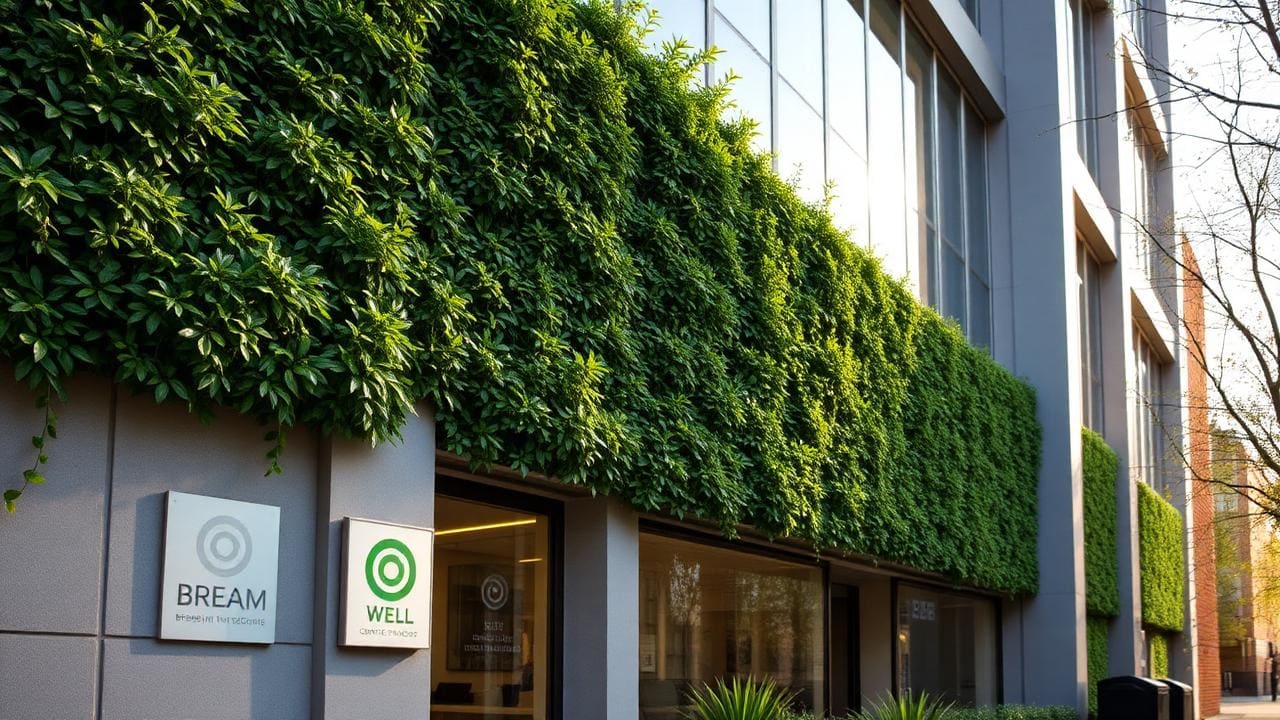
BREEAM, WELL and ESG: how amenity infrastructure scores on London lease renewals
Landlords and occupiers are quietly rewriting how office amenity counts toward BREEAM In-Use, WELL and ESG reporting. Here's where smart food and parcel infrastructure earns credits, lifts amenity scoring and shows up in lease-renewal conversations.
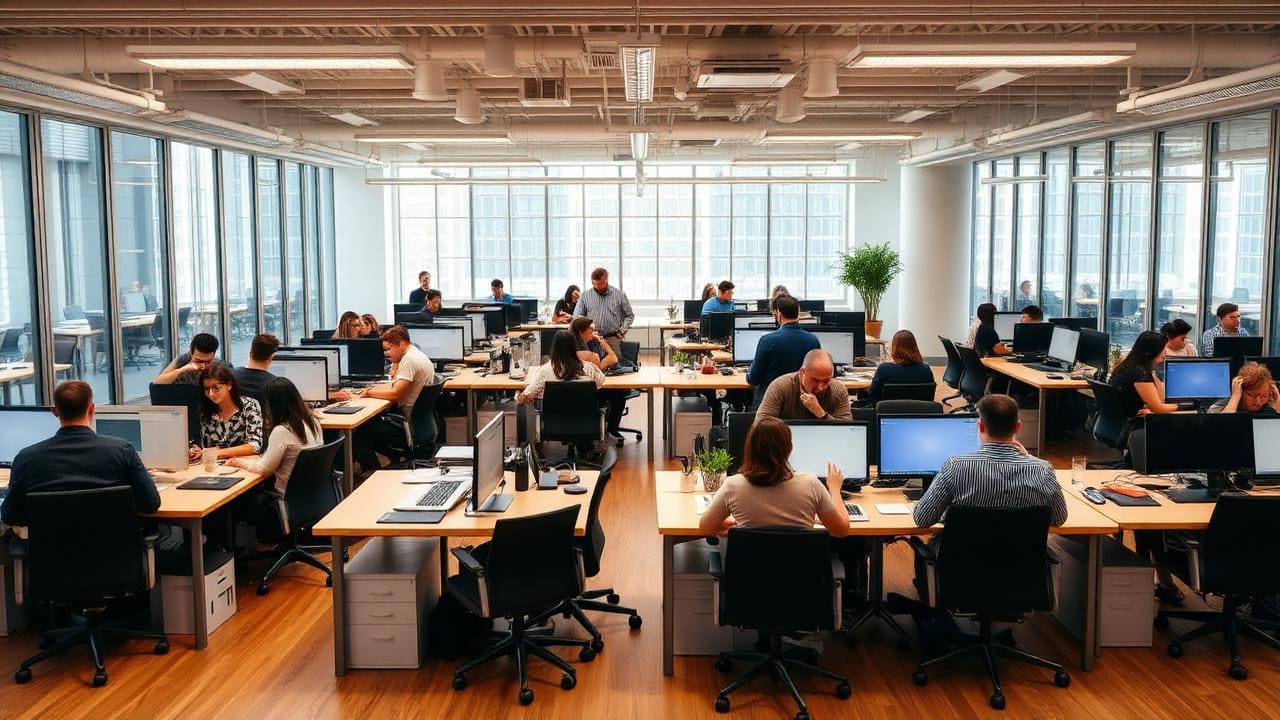
The three-days-a-week office: designing amenities for hybrid attendance peaks
Tuesday, Wednesday and Thursday are now the office. Monday and Friday are not. That changes everything about how amenities, food and front-of-house should be sized. Here's what hybrid-aware design looks like in 2026.
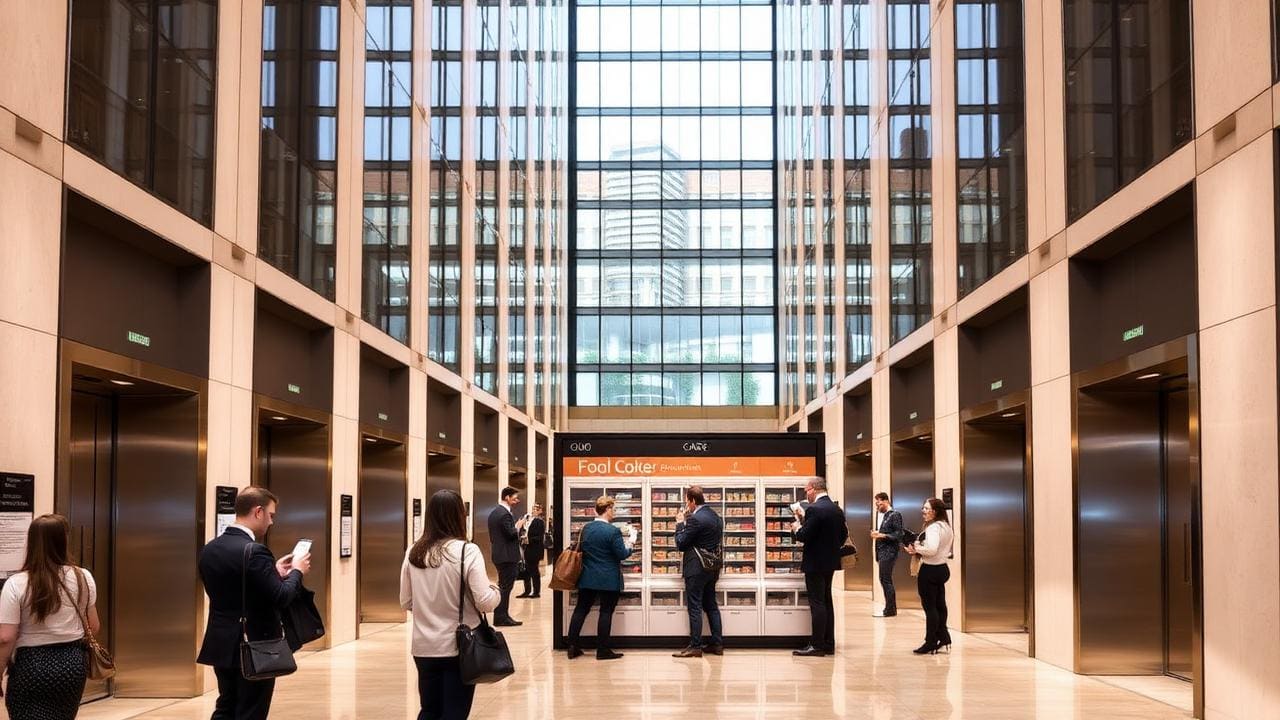
Multi-tenant office buildings: solving the courier bottleneck across floors
One postcode, ten tenants, twenty floors, two thousand people — and a courier with thirty seconds and the wrong floor number. Here's how multi-tenant office buildings in London are turning the lobby into a self-serve courier hub instead of a security chokepoint.
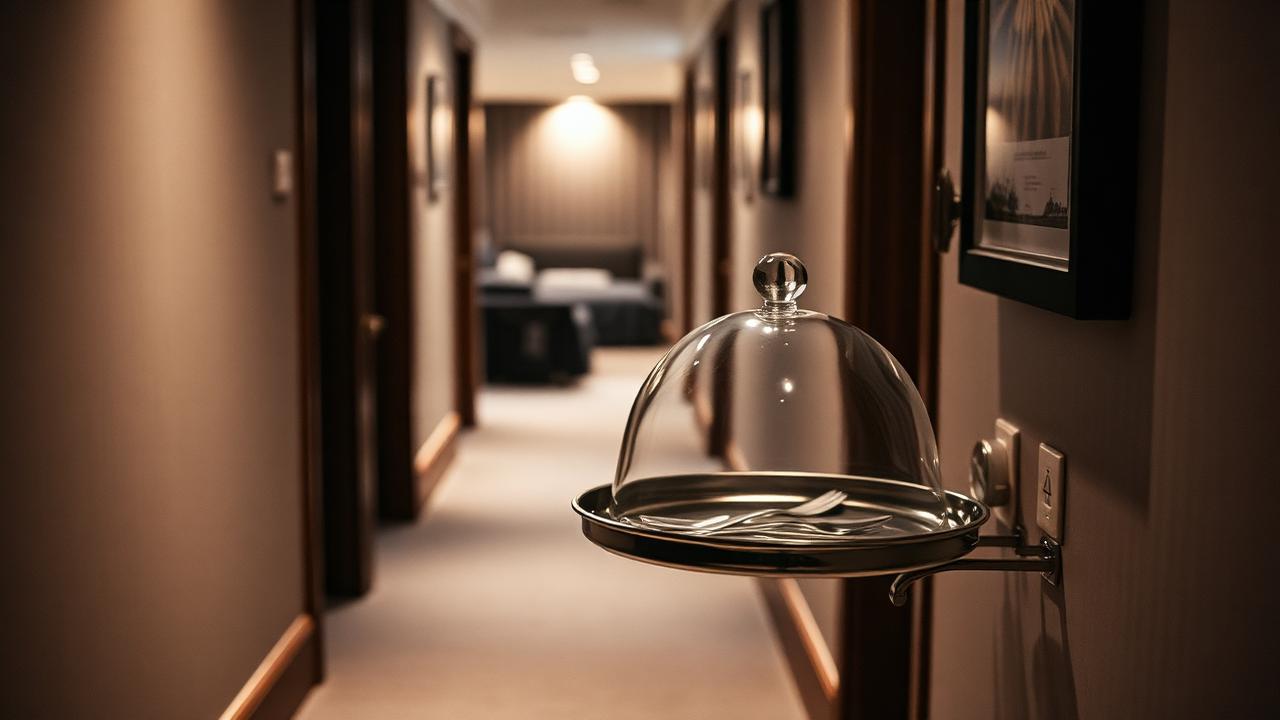
Why 81% of hotel guests never use room service — and what's quietly replacing it
New hospitality research found 81% of hotel guests never use room service, and two-thirds of millennials would be more likely to book a hotel that accepts third-party food delivery. Here's what's actually happening to in-room dining, and how forward-thinking hotels are turning Deliveroo, Just Eat and Uber Eats into a guest amenity instead of a threat.
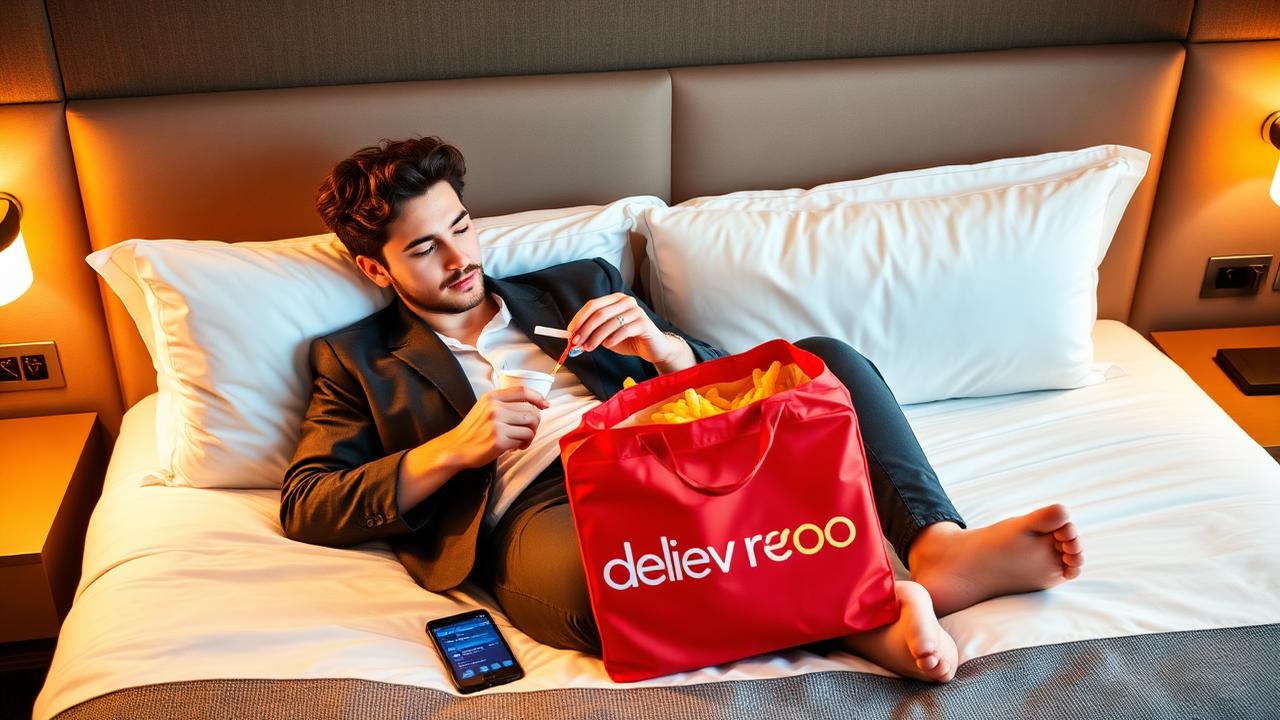
What millennial and Gen Z hotel guests actually want from F&B: the data behind the Deliveroo demand
67% of millennials say they'd be more likely to book a hotel that lets them order takeaway in-room. Gen Z is even higher. This is the demographic story behind the shift — and what hoteliers should do about it before competitors do.
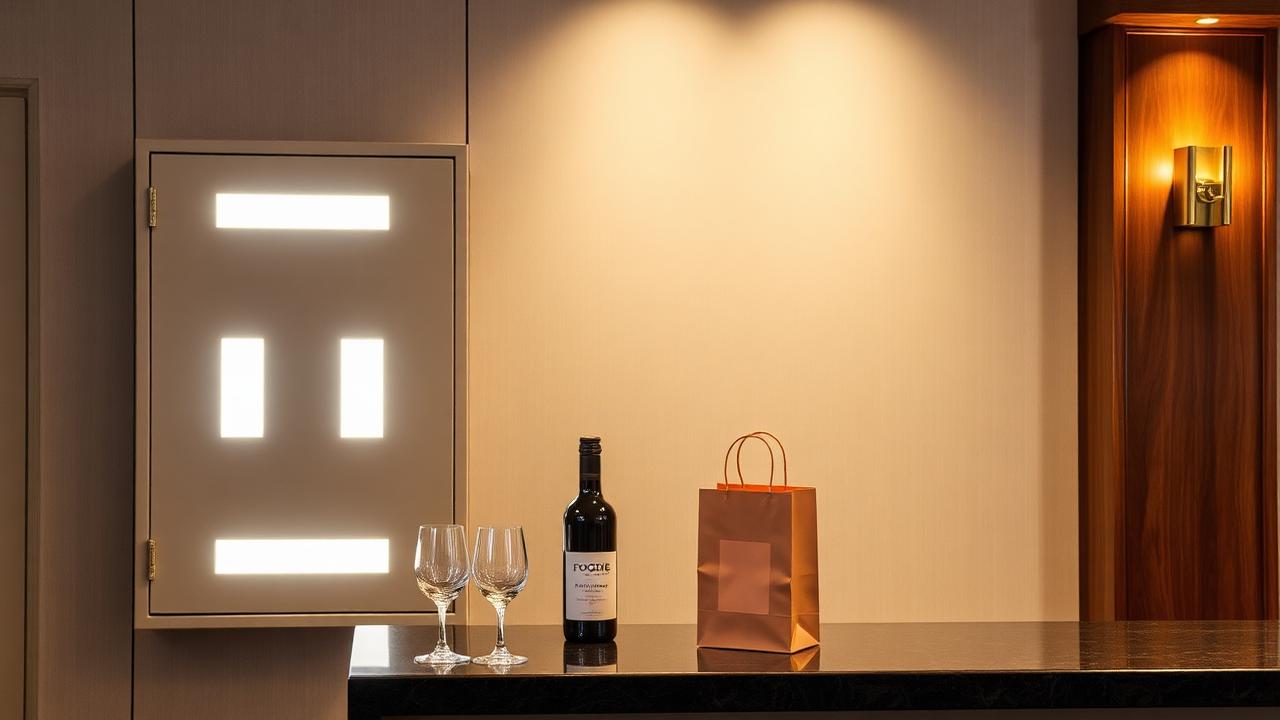
Boutique hotels and takeaway delivery: turning third-party platforms into add-on revenue, not lost covers
Boutique hoteliers were the first to figure it out: letting guests order Deliveroo in-room doesn't cannibalise F&B — it creates new add-on revenue. Wine pairings, late-night minibar, local-restaurant partnerships and a secure handoff layer. Here's how to design the operating model.
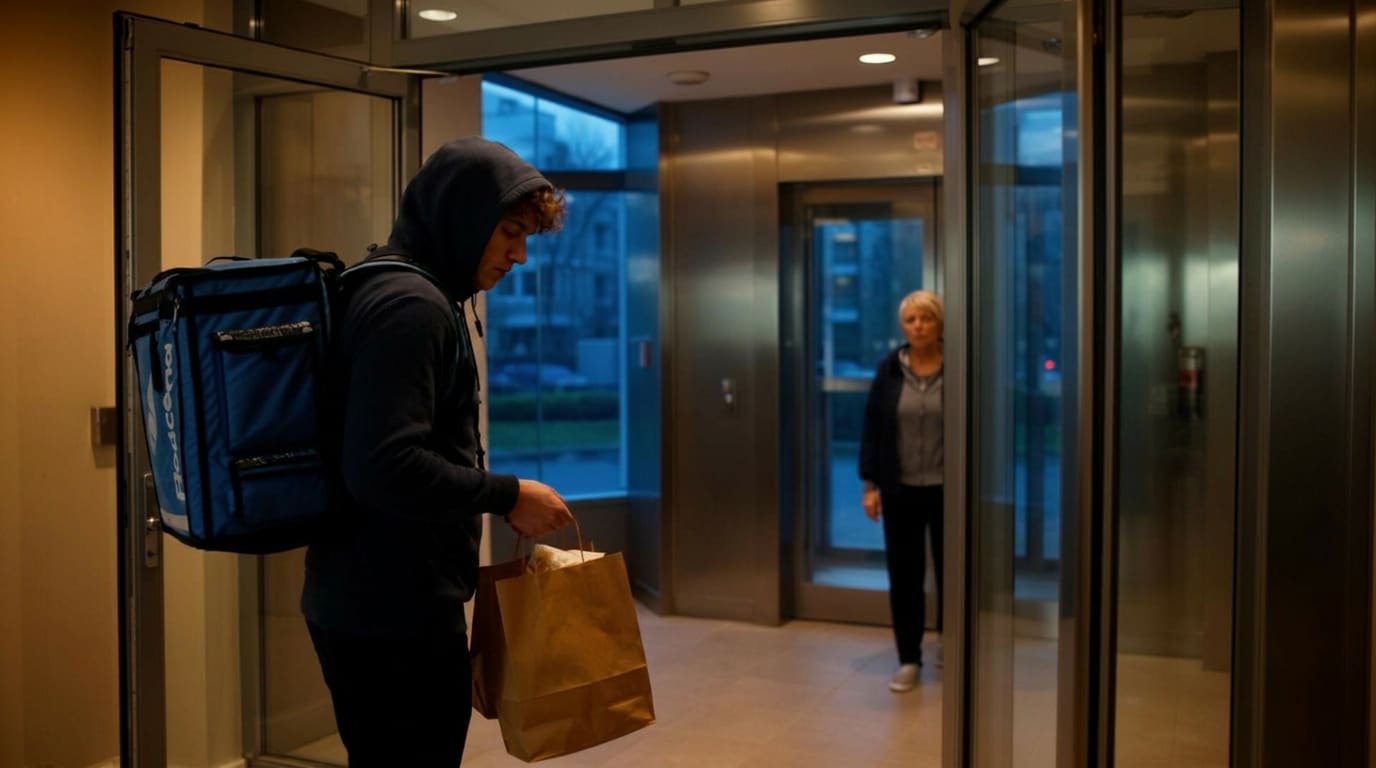
Who is actually delivering food into your building? The courier-identity risk nobody costed in
The Home Office is now sharing asylum-hotel locations with Deliveroo, Just Eat and Uber Eats to crack down on account-sharing and illegal working among gig couriers. For residential buildings, hotels and offices, the question is bigger: even if only a third of your residents order delivery, the whole community comes into contact with whoever is buzzing the door. Here's what the data shows and why a lobby handoff layer is the safer default.
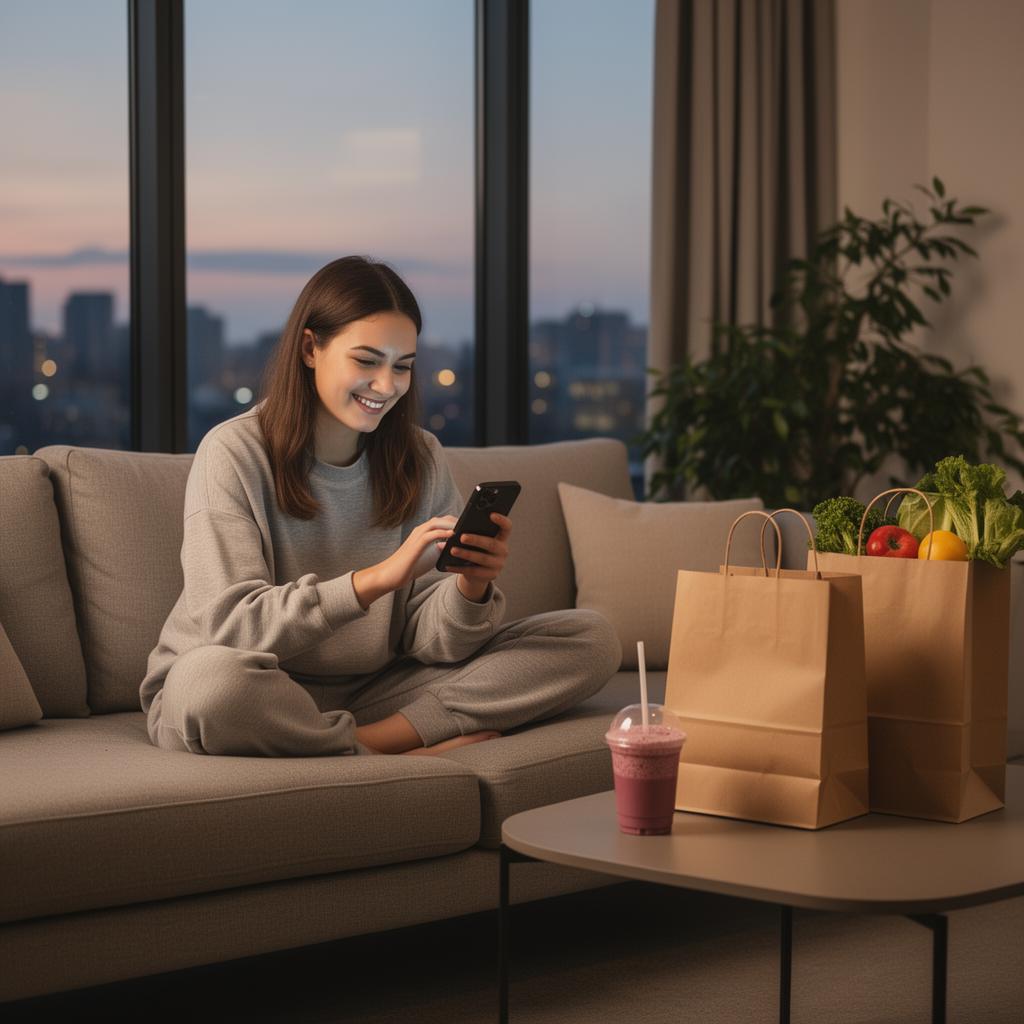
Deliveroo Plus, Bundles and the new normal: how delivery subscriptions will make food-to-door standard in residential buildings
Deliveroo's Bundles feature lets shoppers combine groceries, pharmacy and bakery from multiple stores into one delivery. Paired with Deliveroo Plus, Uber One and Just Eat's loyalty push, delivery is moving from weekend treat to daily utility — and the generation already living that way is moving into Build-to-Rent and co-living right now. Here's what that means for residential operators.
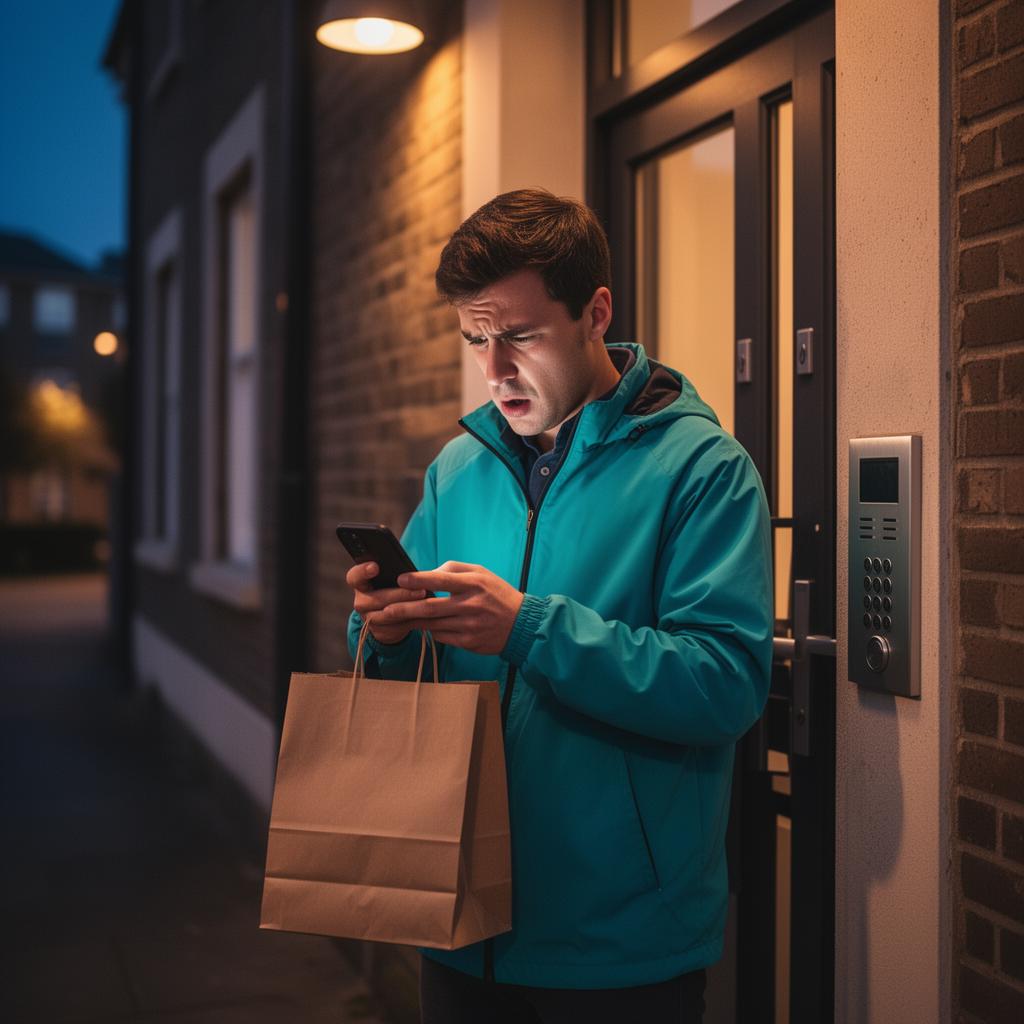
Deliveroo are losing millions in revenue — and most of it disappears at the front door of residential buildings
The unit economics of food delivery are punishing, and the single biggest leak isn't fulfilment cost or driver pay — it's the failed handoff at residential buildings. Locked lobbies, no-answer intercoms, refunded orders and churned customers. Here's the operational maths the platforms quietly know, and why the lobby handoff layer is now strategic, not amenity.
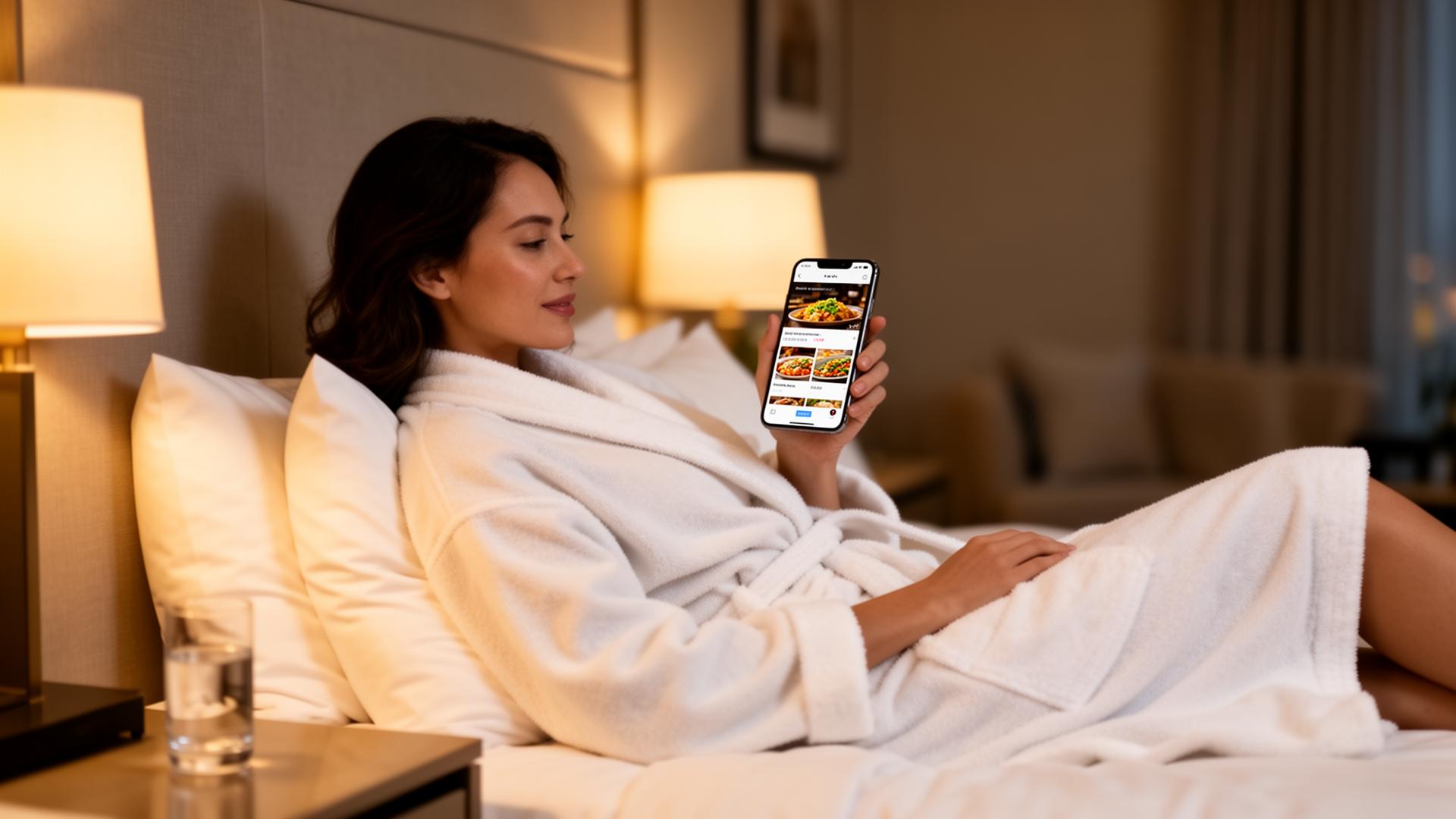
Replacing room service: how Foodie Locker and Deliveroo bring real choice to hotel guests
Traditional room service is shrinking — slow, expensive and limited to one menu. Guests now expect the choice of every restaurant in the neighbourhood. Here's how pairing Deliveroo, Uber Eats and Just Eat with a secure Foodie Locker handover point gives hotel guests restaurant-quality food, 24/7, without a kitchen brigade.
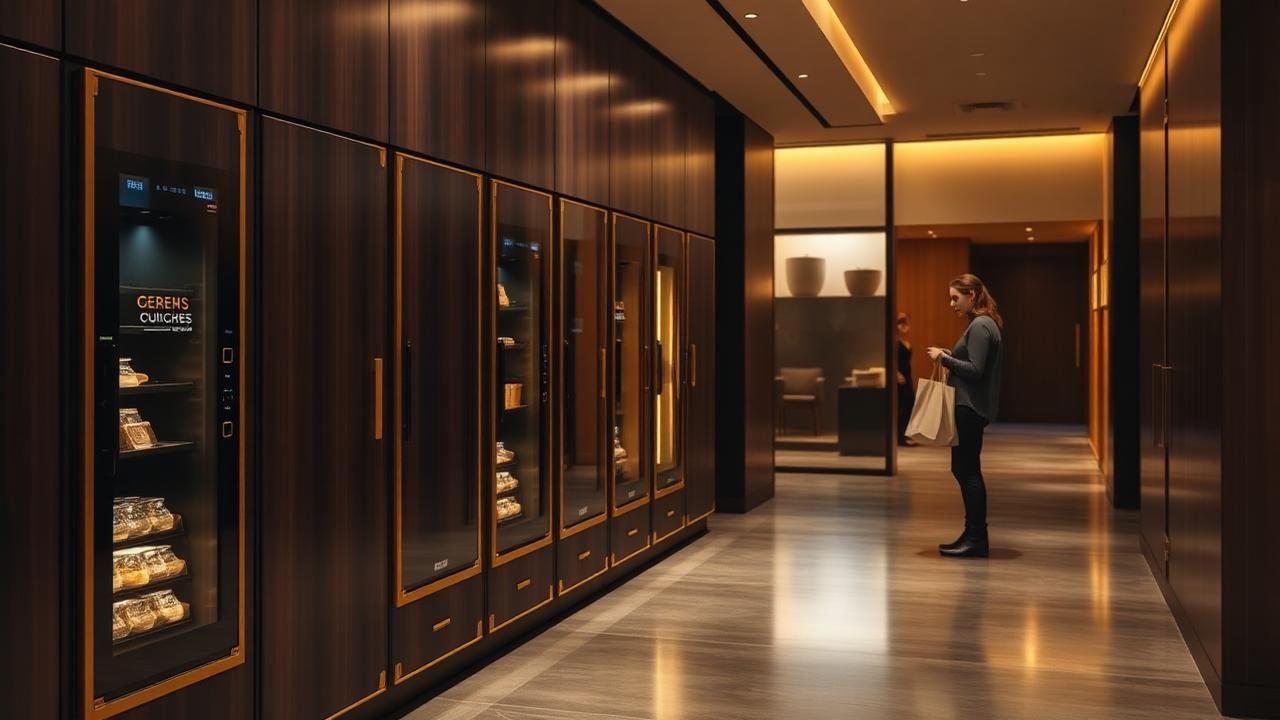
Hotel F&B without the kitchen: how smart food lockers deliver 24/7 guest dining
Budget and mid-market hotels can't profitably run a 24/7 kitchen — but guests still expect food on demand. Here's how a hybrid F&B model built around Foodie Locker, Deliveroo for Business and a 24/7 grab-and-go pantry replaces room service, fills the late-night gap and turns F&B from a cost centre into a guest-satisfaction lever.
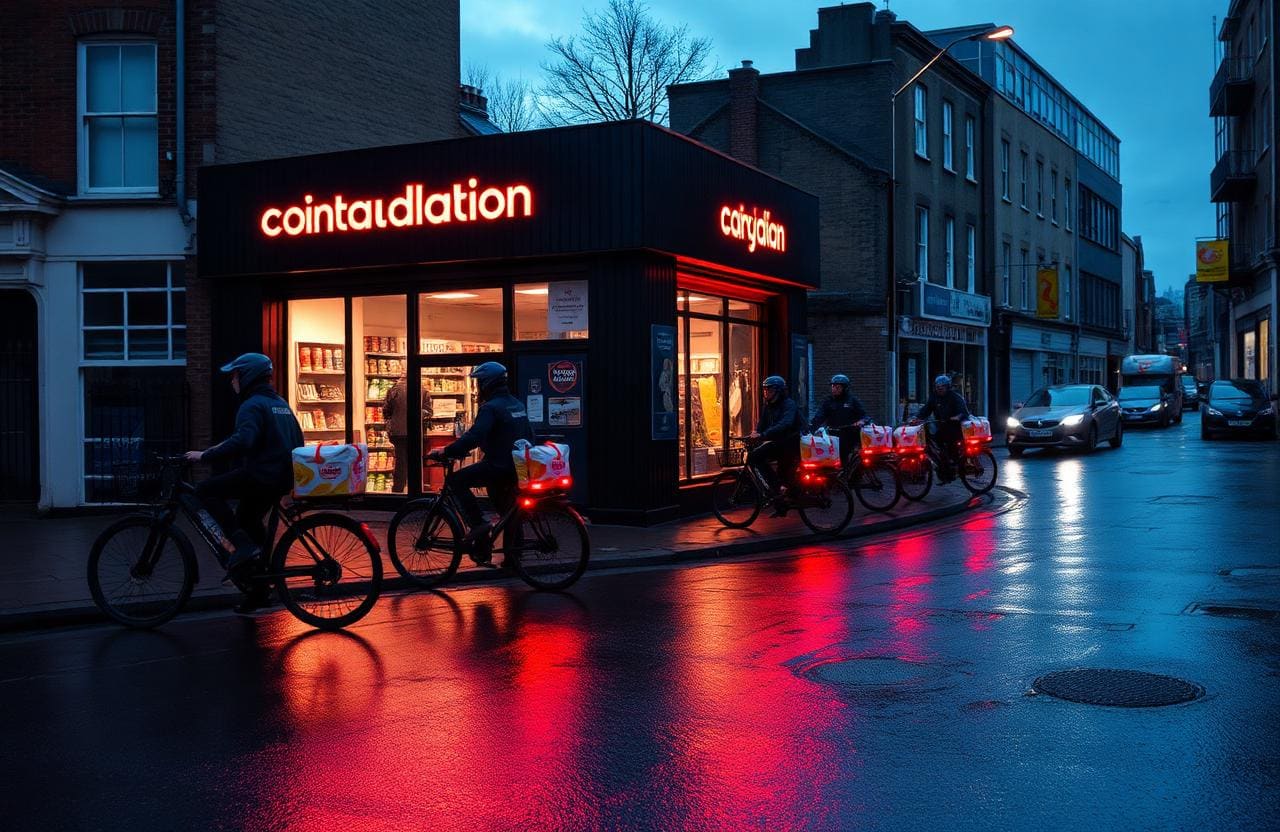
How the rise of dark stores and 15-minute grocery is rewriting residential delivery
The big Friday-night Tesco van has been replaced by 4–6 small drops a week from dark stores and quick-commerce platforms. Here's how the supermarket operating model has flipped to little-and-often, why it breaks lobbies designed for the old world, and what 'fit-for-purpose' looks like for BTR, PBSA and co-living buildings in 2026.
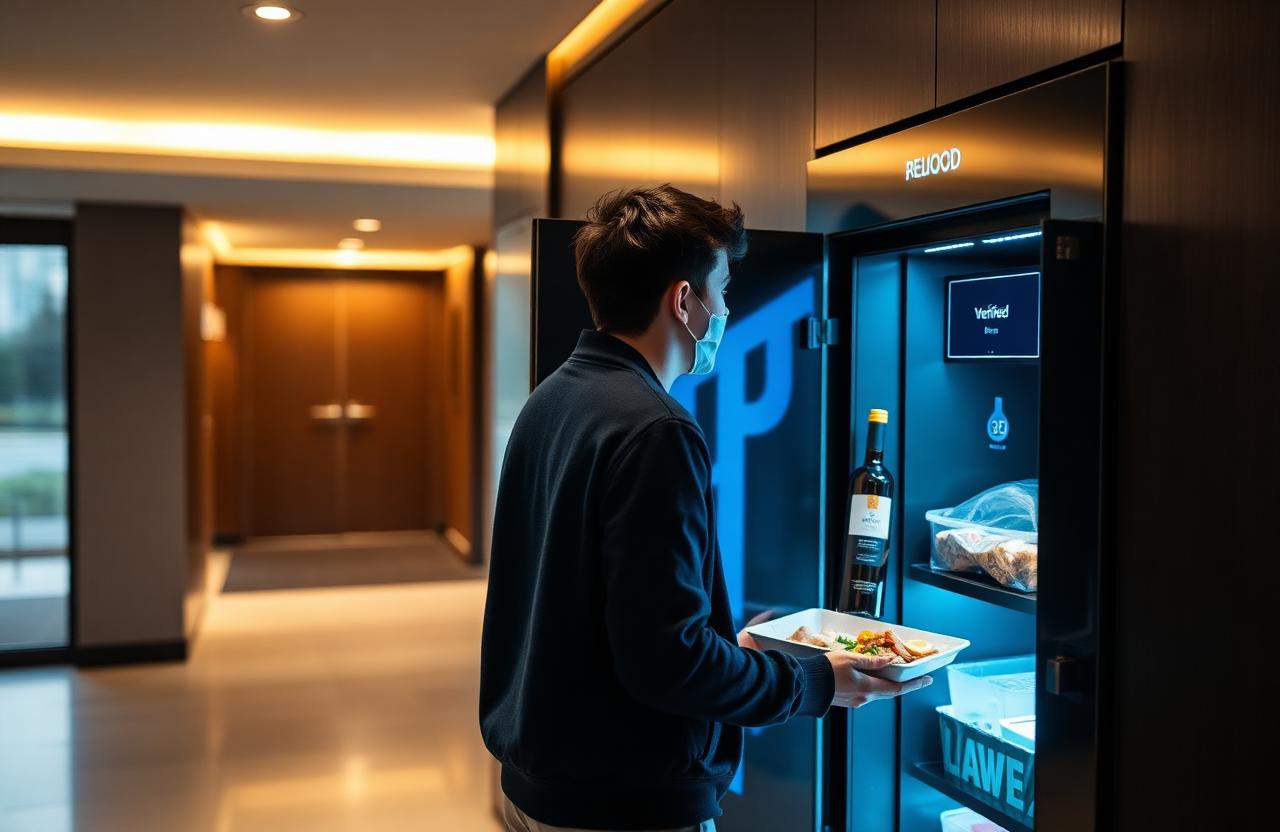
Built-in age verification: how Foodie Locker can automate proof-of-ID for alcohol, energy drinks and age-restricted deliveries
When the building already knows who lives there — verified ID at move-in, age on file, biometrics at the locker — age verification stops being a courier's problem and becomes a one-tap experience. Here's how Foodie Locker's resident-data layer can automate compliance for alcohol, vapes, energy drinks and other age-restricted goods, in line with the Licensing Act 2003 and forthcoming UK rules.
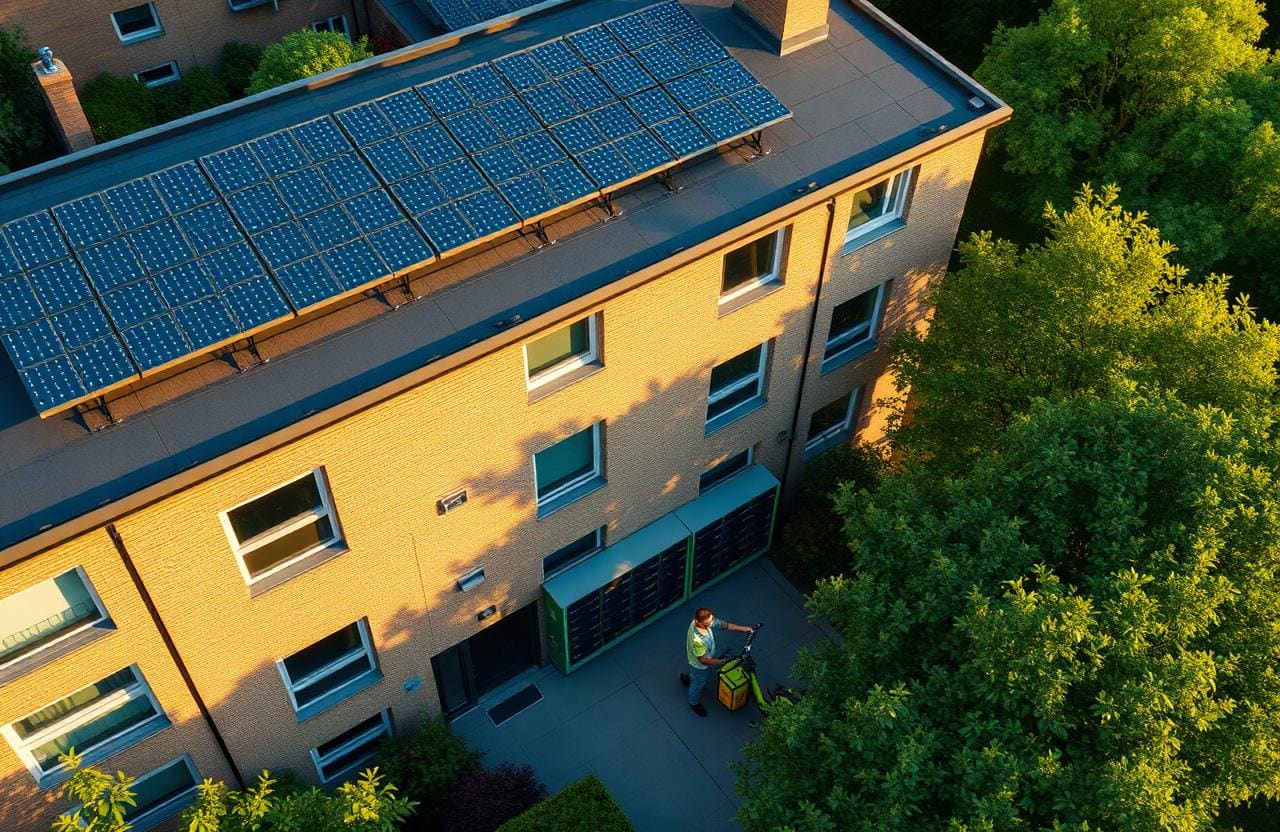
Measuring ESG impact: how smart lockers cut carbon, waste and reporting headaches for asset owners
Real estate owners and operators are under growing pressure to evidence — not just claim — measurable ESG progress. Smart food and parcel lockers consolidate failed deliveries, cut courier mileage, eliminate single-use packaging waste and produce the auditable data ESG frameworks (GRESB, SBTi, CRREM, EPRA sBPR) actually require. Here's how the numbers stack up.
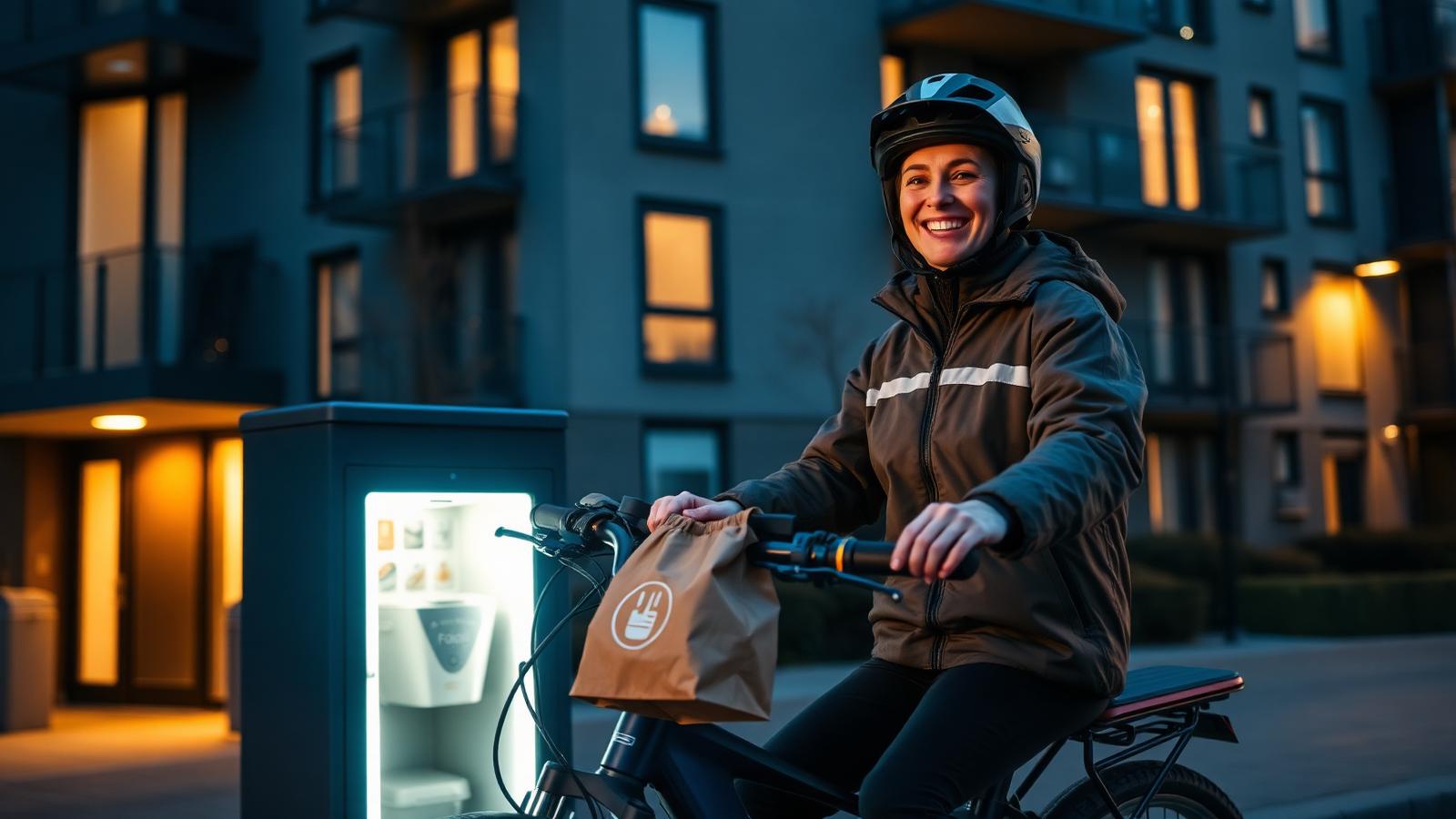
Levelling the playing field: how smart lockers fix courier earnings inequality and open the trade to more female riders
A 24th-floor drop earns the same as a doorstep drop, but takes ten times as long — punishing couriers in dense urban buildings. And the safety friction of going inside strangers' buildings keeps female ridership in the UK below 5%. Smart lockers fix both at the same time.
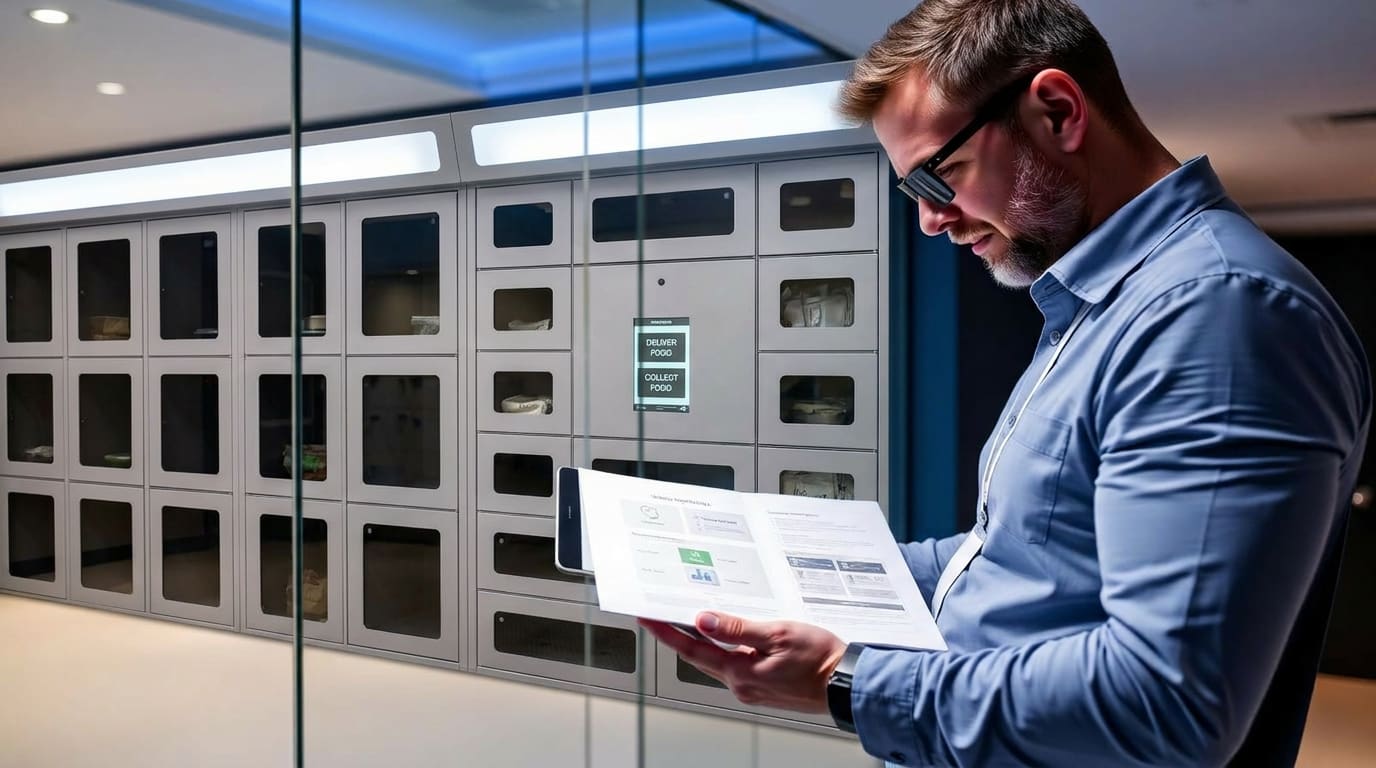
The delivery risk playbook for residential and student campuses: a guide for new building and facility managers
A practical playbook for building managers and FM providers taking on a residential or student campus: how to reduce security, safety and operational risk from food, grocery and subscription deliveries — while cutting staff involvement to near zero.
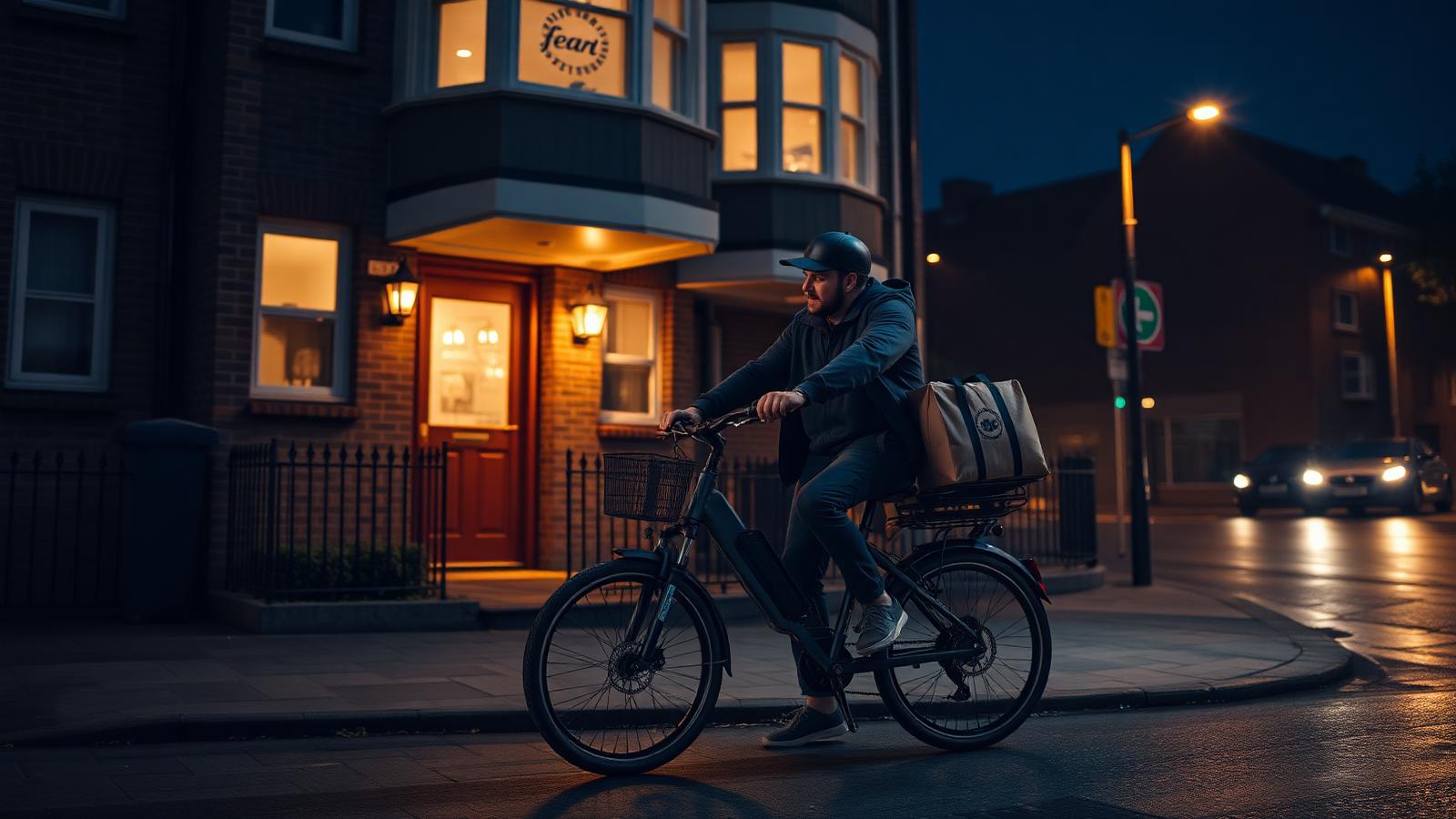
Door or lobby? The food delivery debate residents are quietly having
Should couriers come to your door, or hand off in the lobby? It feels like a personal preference — until you account for the 70% of residents who never order, the bike-theft risk to the courier, the 2-minute average wait before an order is cancelled, and the building-wide safety trade-off. Here's the honest version of the debate.
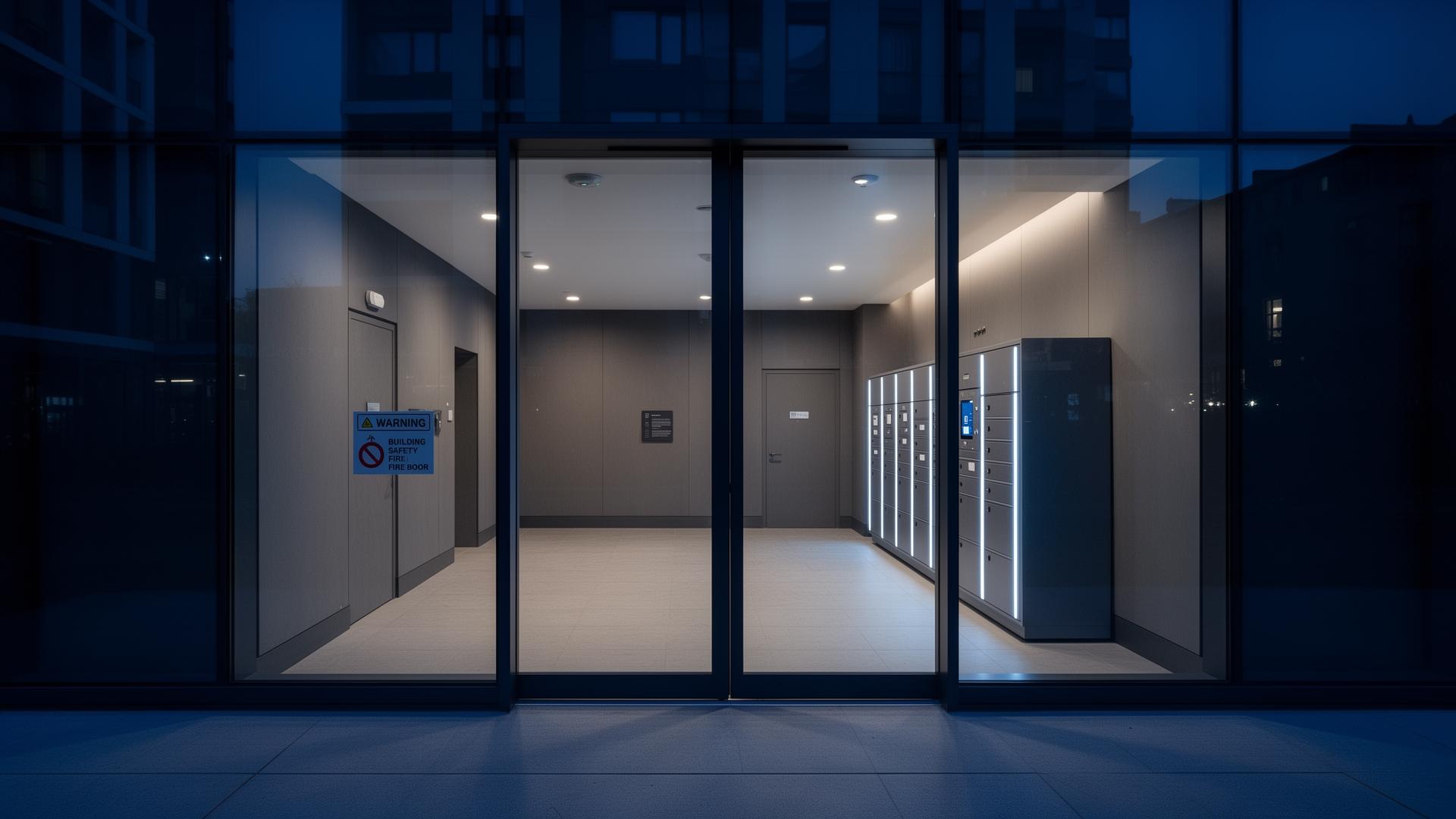
Smart food lockers and the Building Safety Act 2022: a guide for Accountable Persons
The Building Safety Act 2022 made the Accountable Person responsible for managing risks in the common parts of higher-risk buildings. Here's why uncontrolled courier access is now a Building Safety problem — and how smart lockers solve it.
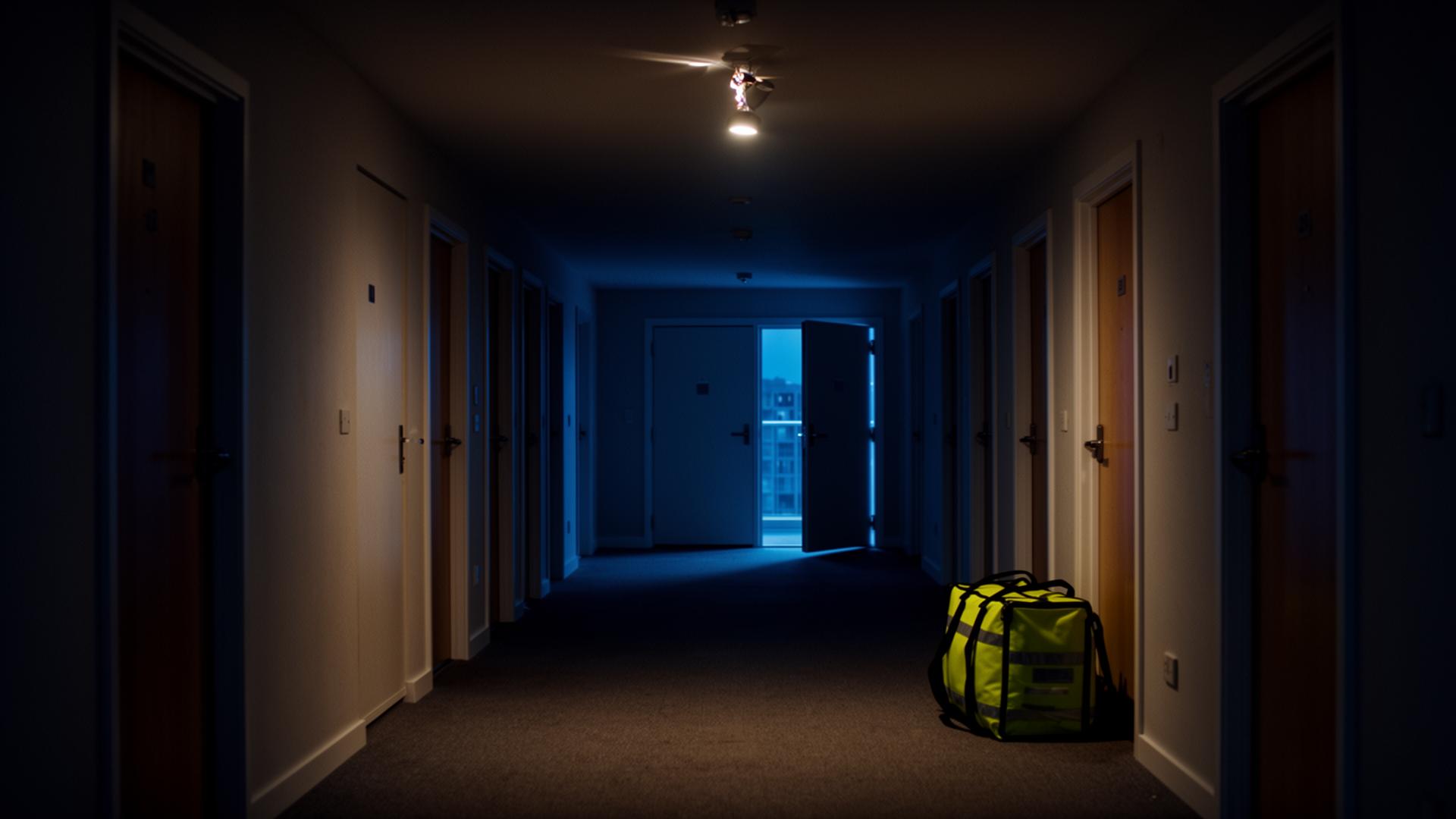
An accident waiting to happen: unvetted couriers in residential buildings
Tens of thousands of unvetted, unaccompanied food and parcel couriers walk into UK apartment buildings every night. No background checks, no escort, no record. The next serious incident isn't a question of if — it's when. Here's what operators can do before it lands on their watch.
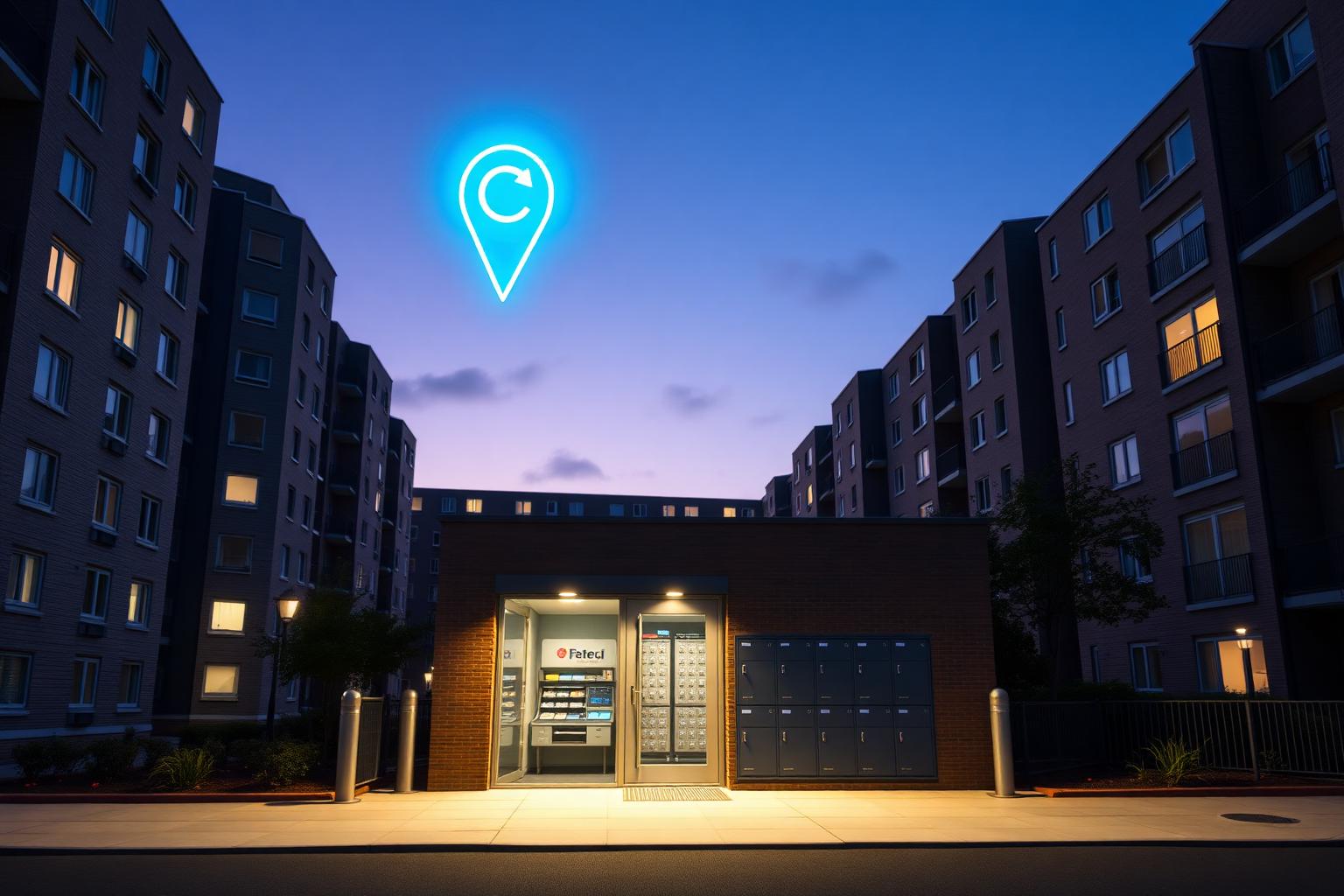
Designated drop zones: how to fix food delivery on multi-tenant campuses
One postcode, eight building cores, and a courier on the wrong doorstep. Here's how designated drop zones, geocoded locker addresses and standing platform instructions end the wayfinding chaos on BTR, PBSA and mixed-use campuses.
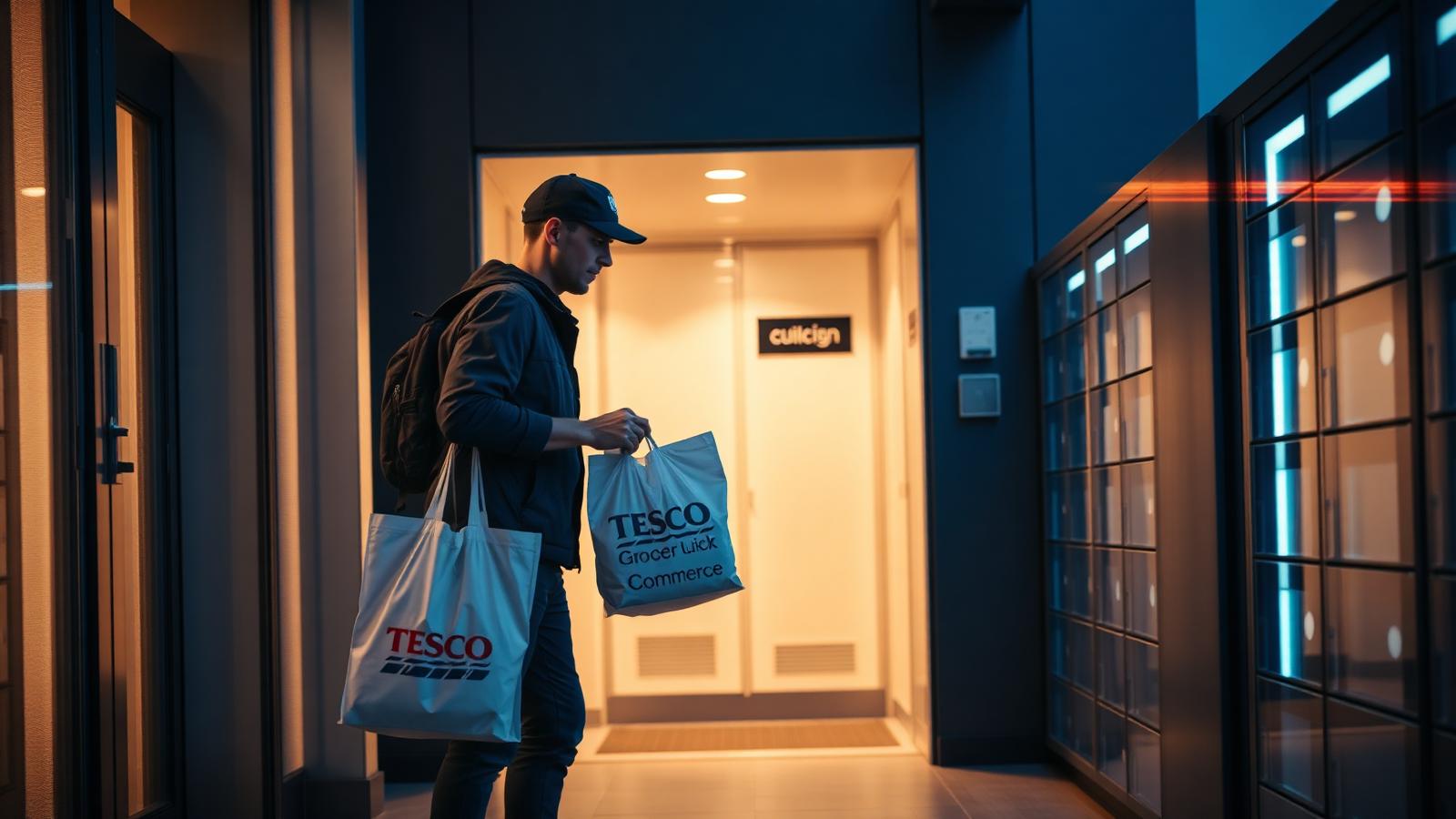
The quiet rise of grocery-by-app: how Whoosh, Hop and Joybuy are reshaping building deliveries
Tesco Whoosh, Sainsbury's Chop Chop, Deliveroo Hop and Joybuy have shifted the UK weekly shop into 4–6 small drops a week. Lobbies were never designed for that. Here's why smart food lockers are quietly becoming the default infrastructure for grocery-by-app in residential buildings.
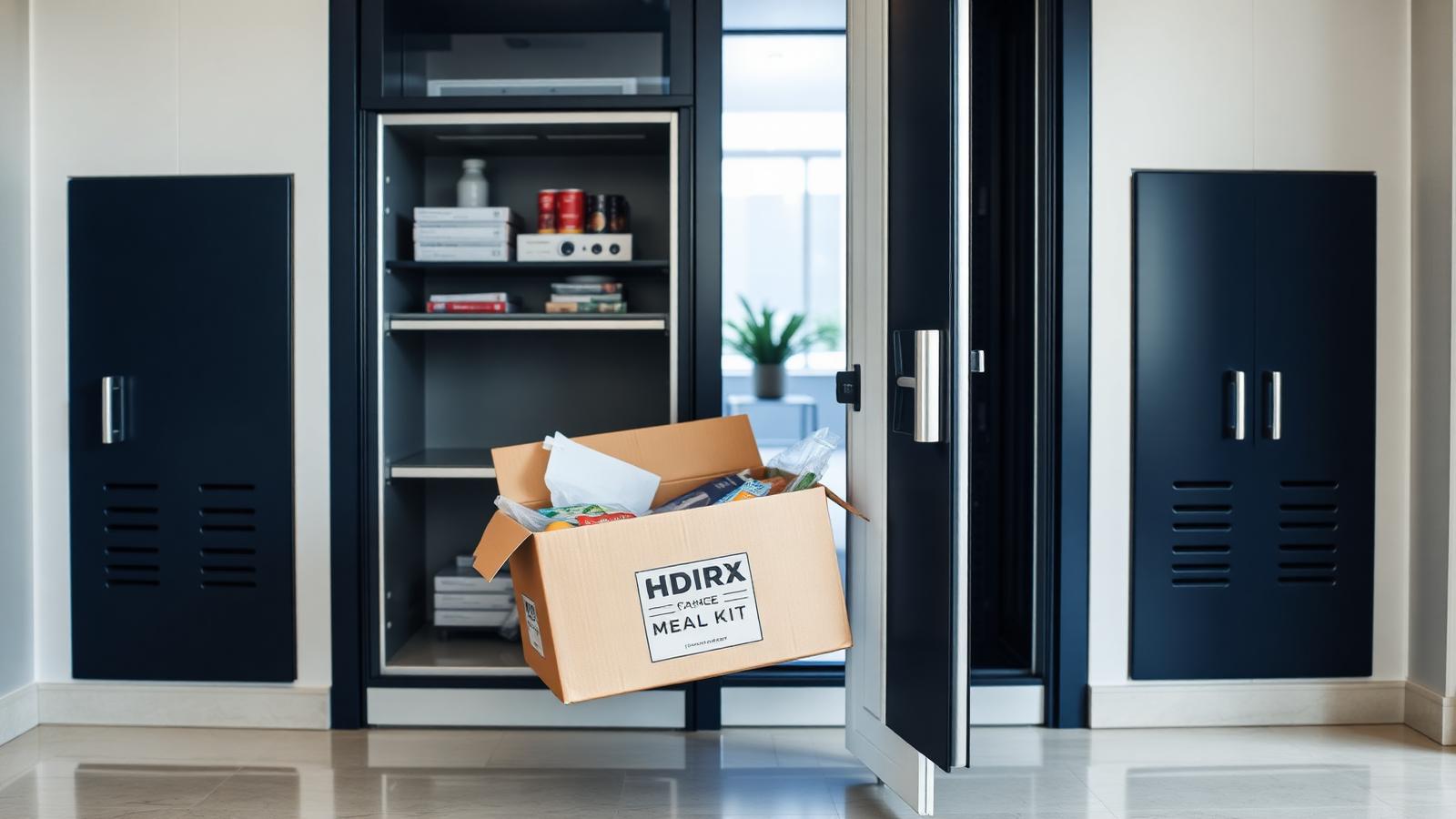
Meal-kit subscriptions in residential buildings: why Gousto, HelloFresh and Mindful Chef belong in a locker
Meal-kit subscriptions from Gousto, HelloFresh, Mindful Chef and Thrive are scheduled and predictable — the easiest deployment story smart lockers have ever seen. Here's why subscription food boxes belong in an insulated locker, not on a doorstep.
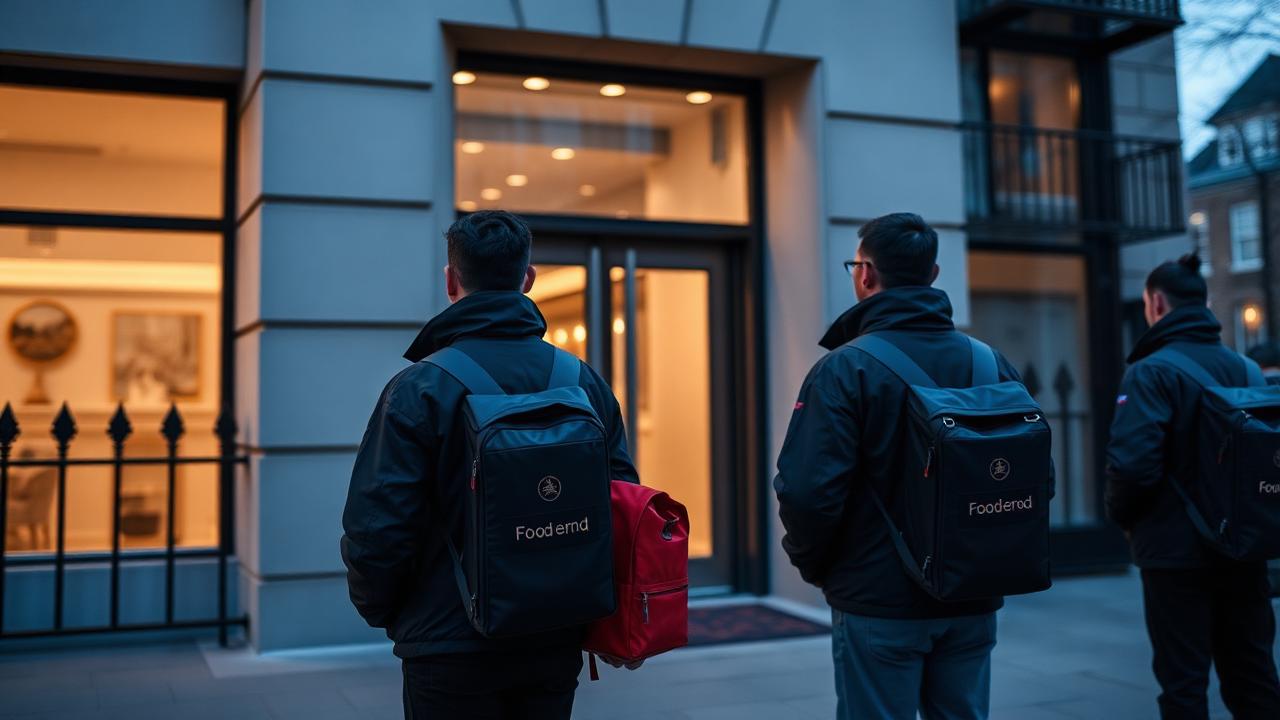
Banned at the door: why locking food couriers out of buildings makes everyone less safe
Luxury London buildings are banning food delivery riders from entering — leaving couriers, residents and the public worse off. Here's why outright bans are a security failure, and what good looks like instead.
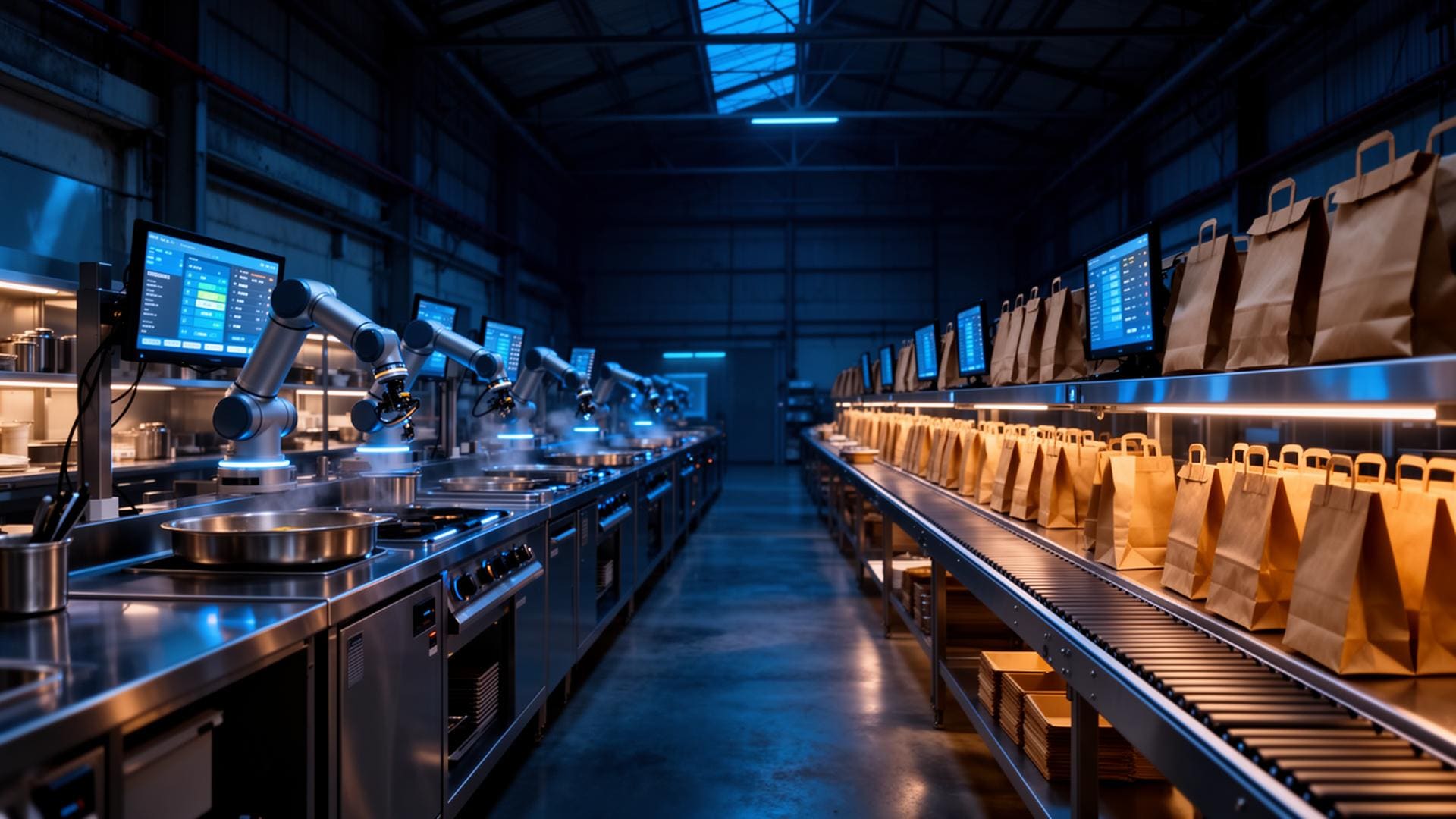
The future of food delivery: cloud kitchens, dark kitchens and the end of cooking at home
Travis Kalanick believes ordering delivery from cloud kitchens will soon be cheaper than buying groceries and cooking at home. Here's how cloud kitchens, dark kitchens, robotics and subscription delivery are reshaping how the world eats — and what it means for residential buildings.
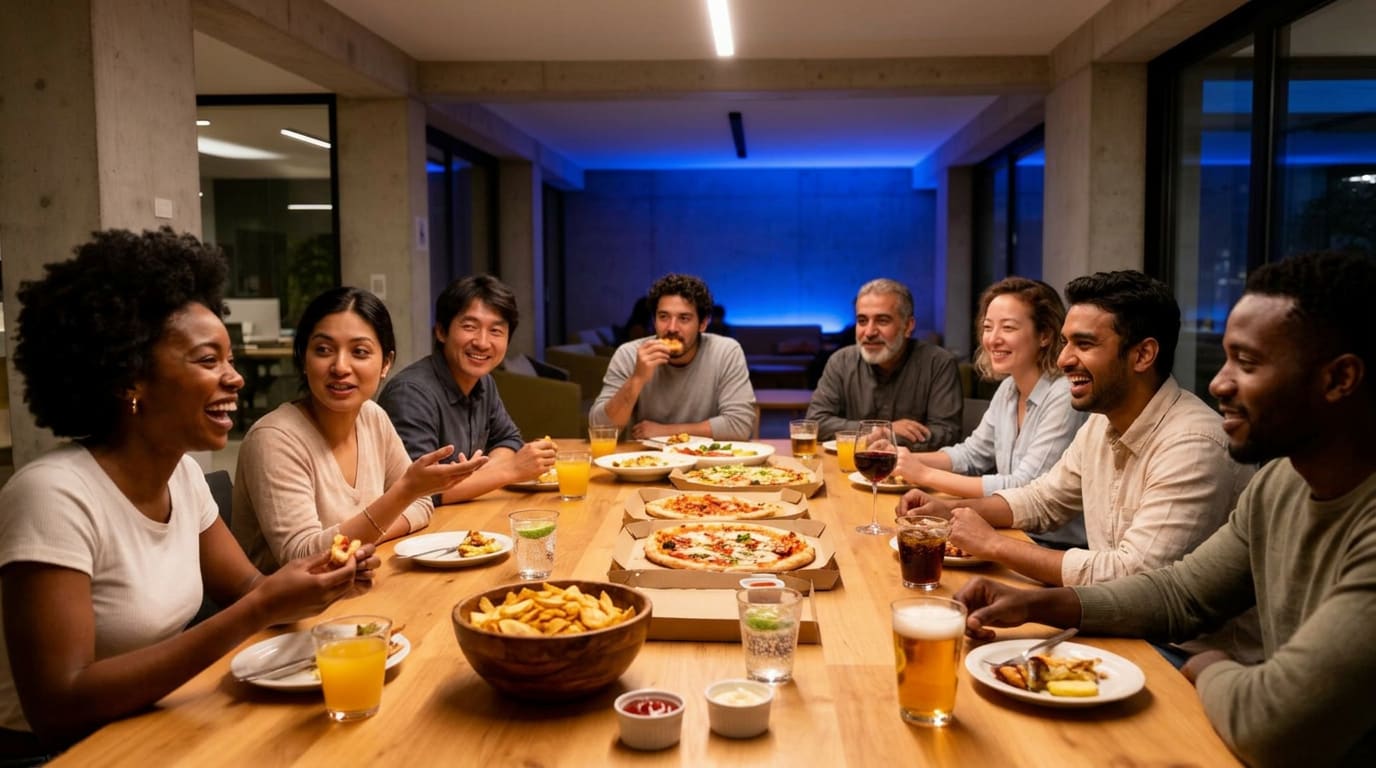
The Foodies Club: how shared food delivery can build community in residential buildings
Imagine Tuesday Pizza Night, Wednesday Indian Retreat, Thursday Burgers & Wings. Here's how themed group food delivery through smart lockers can build resident community, support local restaurants and cut delivery emissions — all at once.
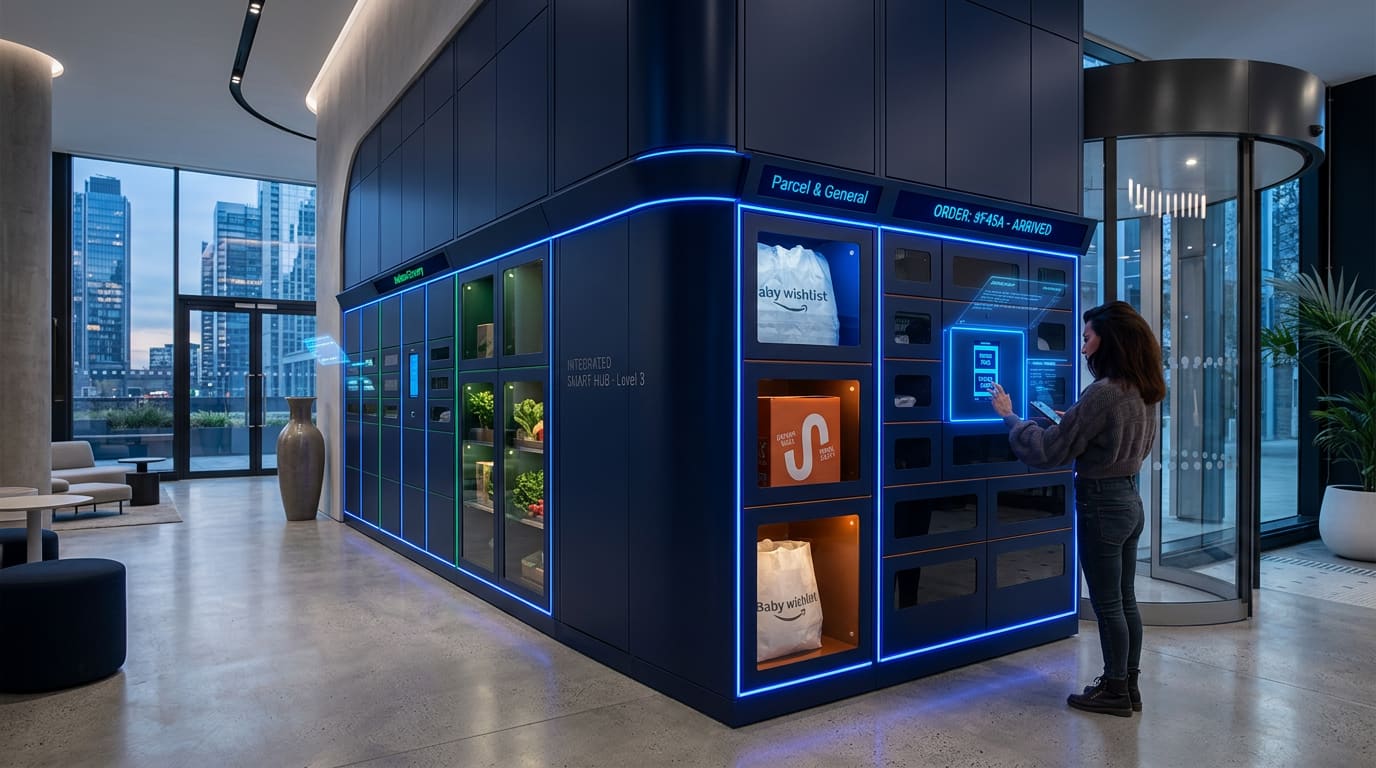
The future of smart building delivery infrastructure
Where smart food, parcel and grocery lockers are heading next — and what owners, operators and developers should specify into every new building.
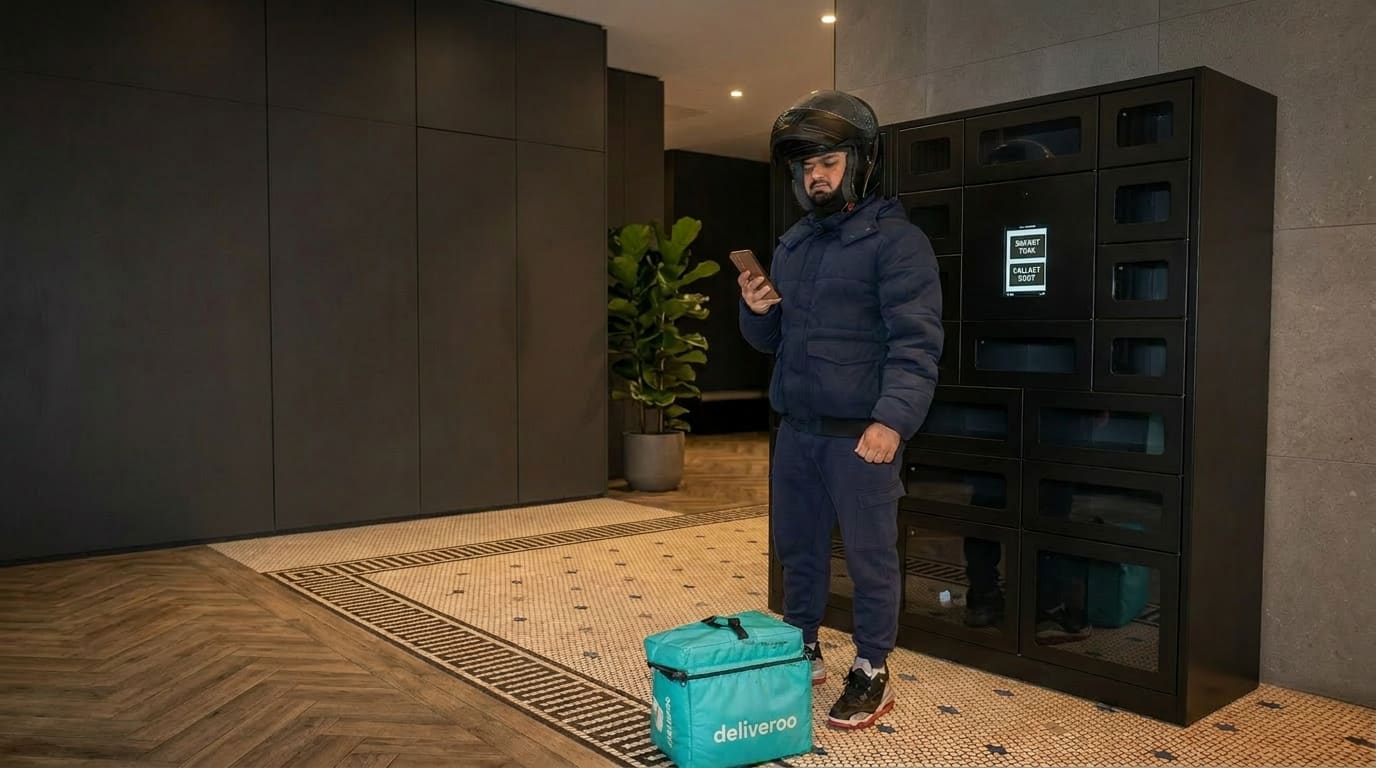
Last-mile delivery automation: how smart lockers close the loop
The last 50 metres are where most food and parcel deliveries fail. Here's how smart locker infrastructure becomes the missing layer in last-mile logistics.
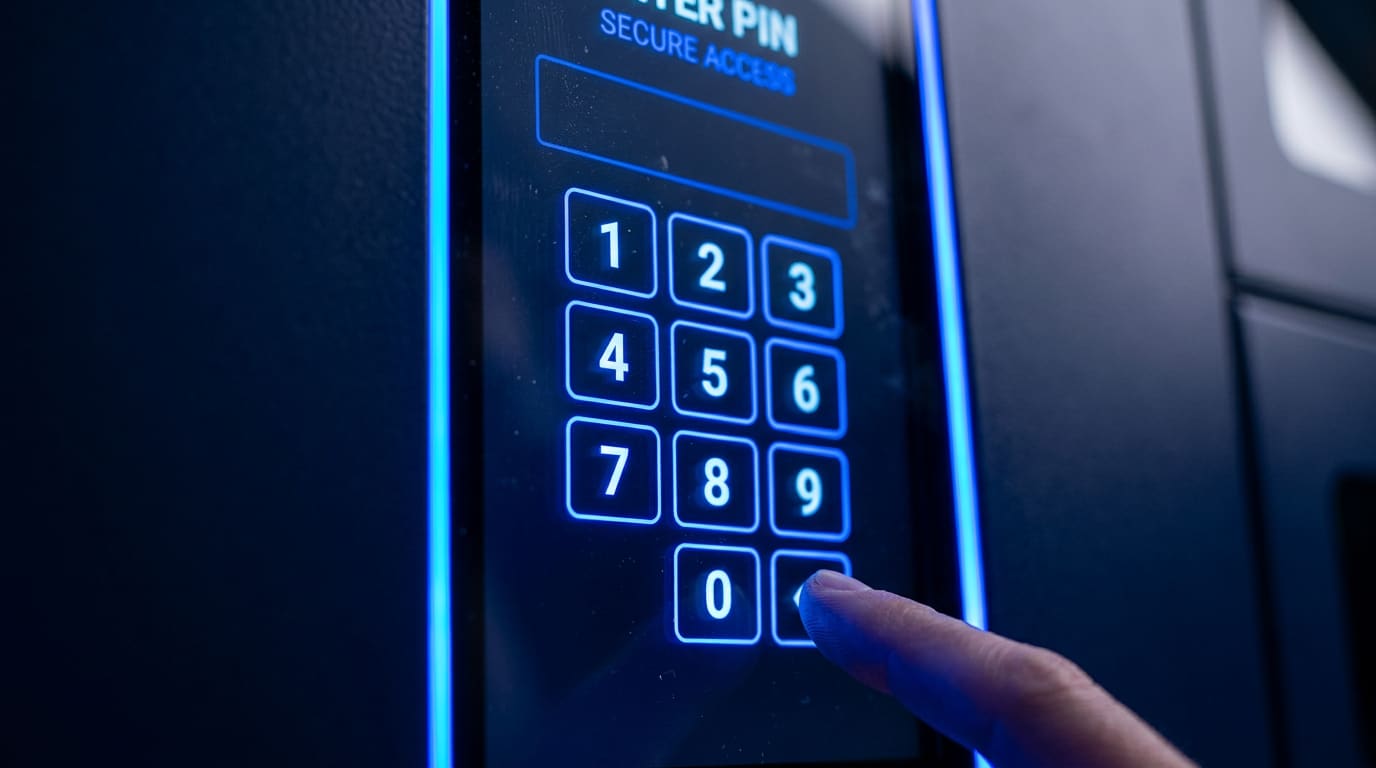
Secure food delivery systems: the 2026 standard
PIN access, courier whitelisting, audit trails, CCTV integration. Here's the security stack every modern food delivery system should ship with — and what to ask vendors.
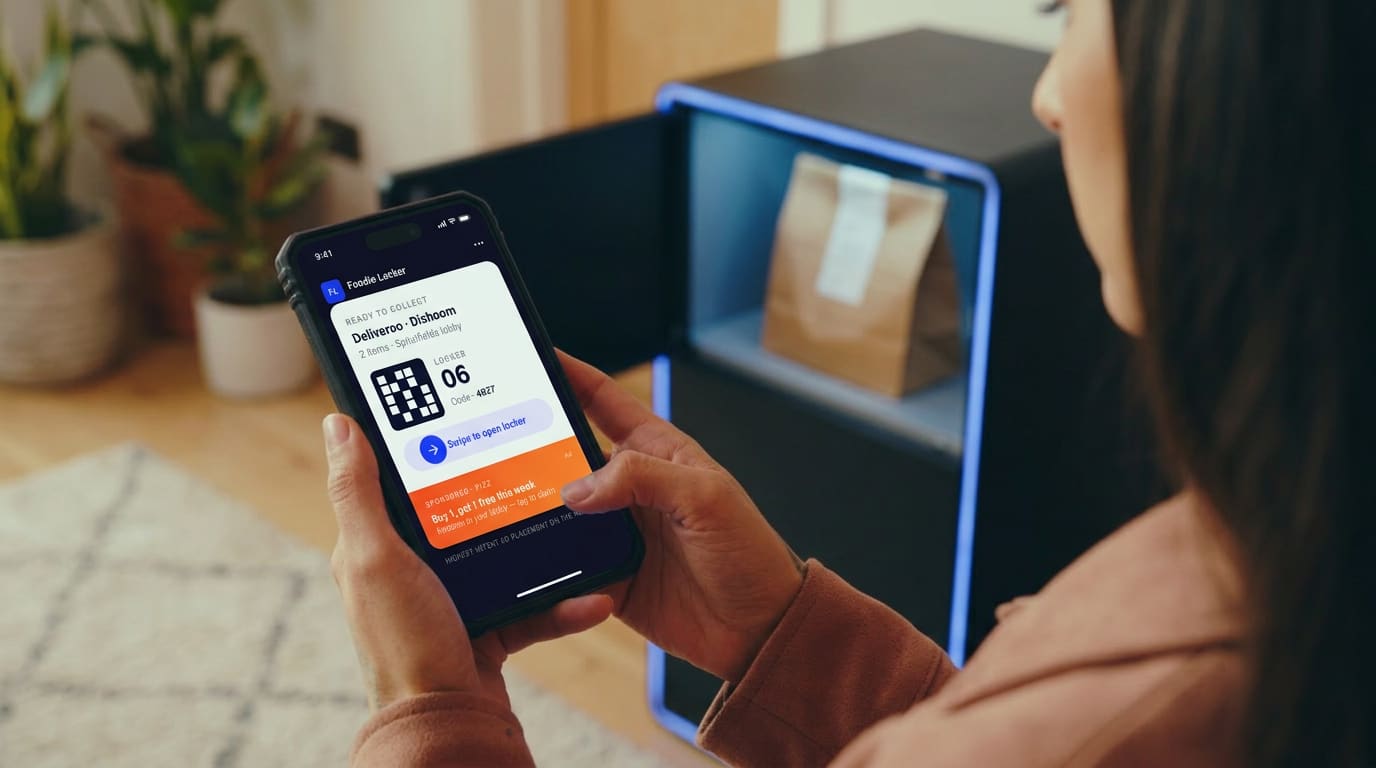
Contactless takeaway collection: what residents actually want
After five years of contactless delivery, residents now expect it as a default. Here's what 'good' looks like for hot food handover in 2026.
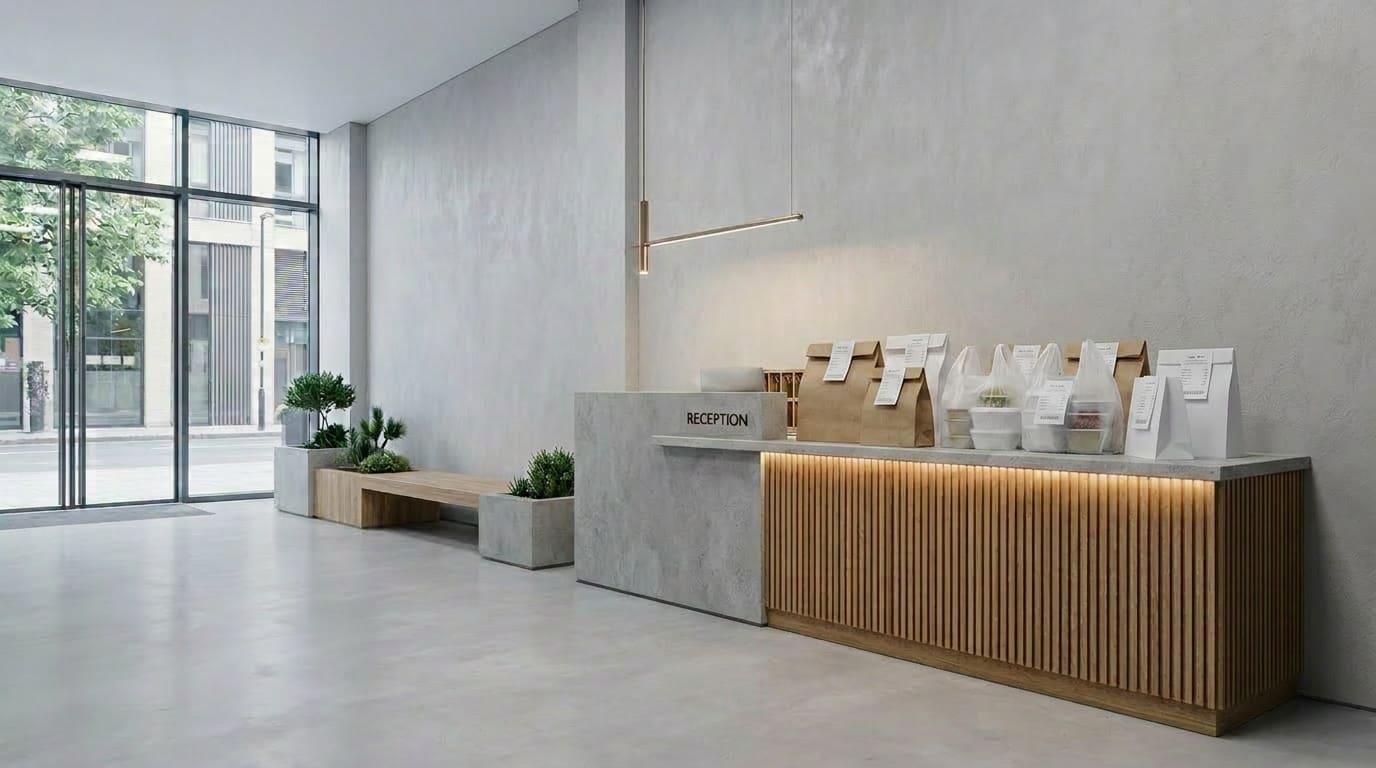
Delivery congestion solutions: clearing the lobby for good
Couriers, parcels, food bags and tradespeople have turned residential lobbies into waiting rooms. Here are the proven systems operators use to clear them.
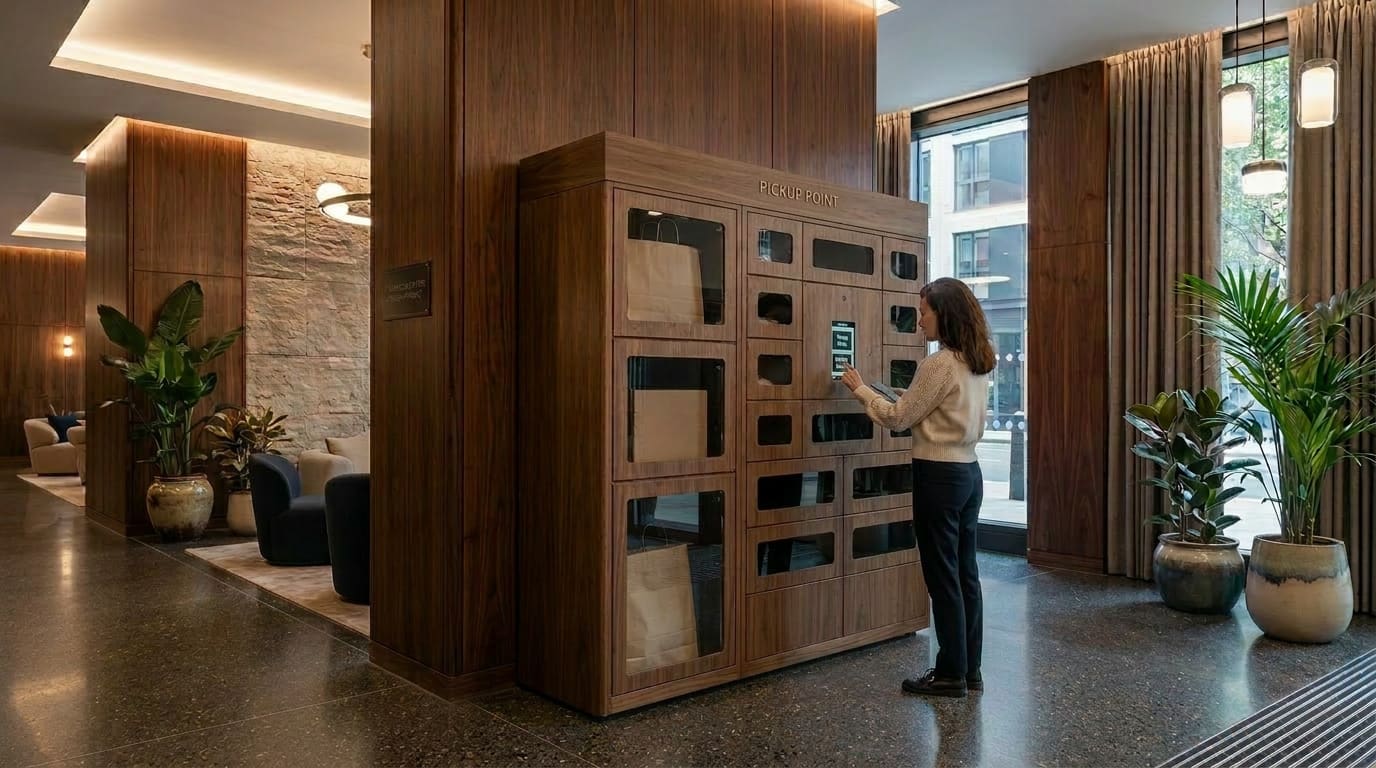
Smart lockers for Build-to-Rent: the new baseline amenity
Why smart food and parcel lockers are now table-stakes for premium BTR schemes — and what operators measure once they're installed.
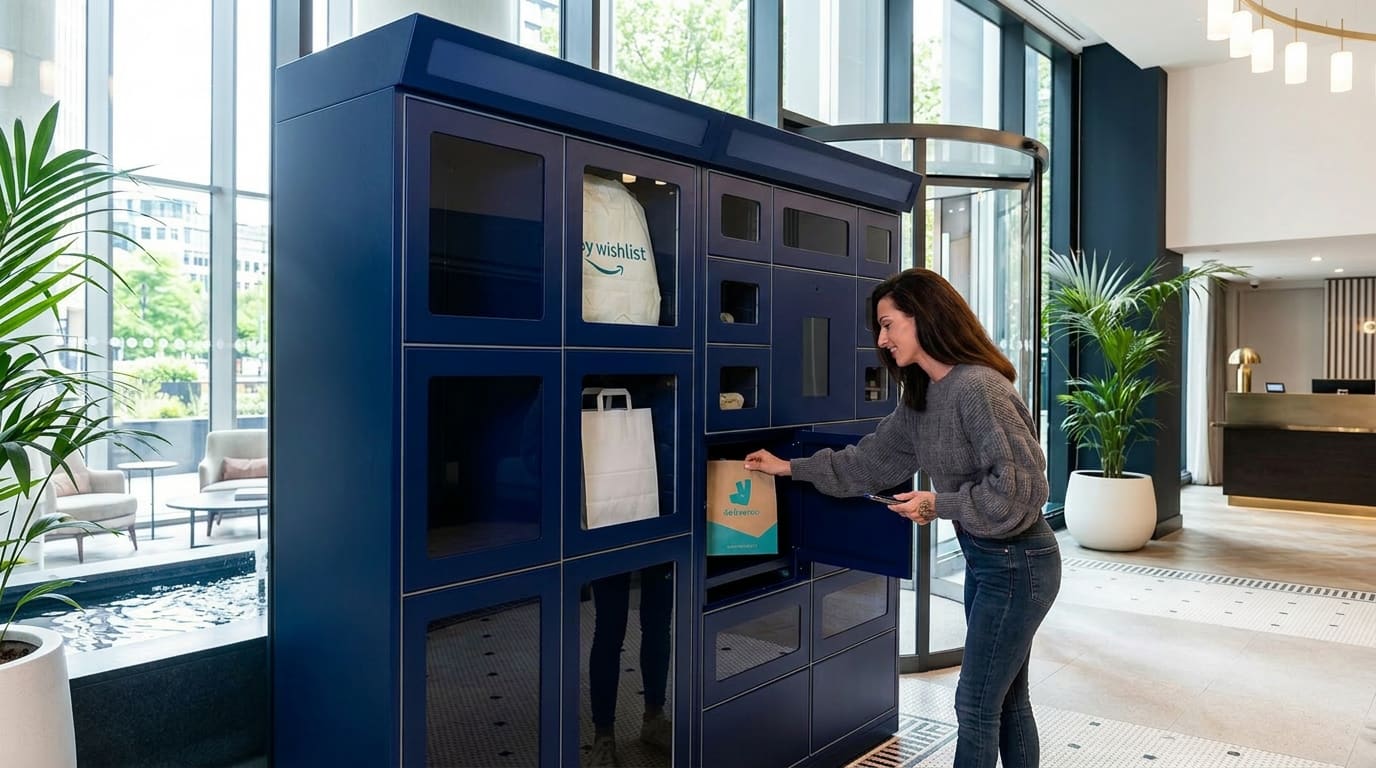
Food delivery management for apartment buildings: a 2026 playbook
Food delivery is now the #1 lobby pressure in residential buildings. This playbook covers how operators automate the chaos with smart food locker infrastructure.
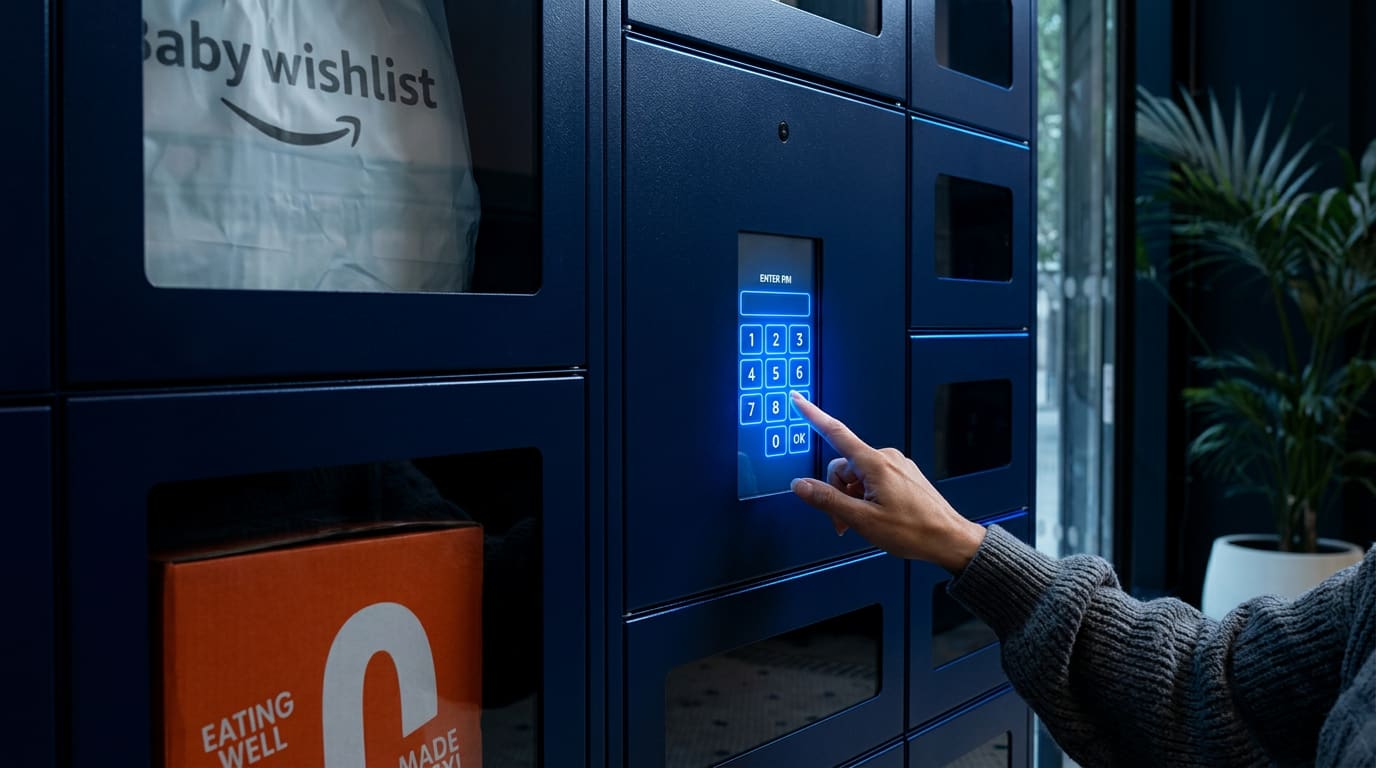
How smart food lockers improve security and prevent food theft
Lobby food theft, courier roaming and missed orders are quietly costing buildings money and trust. Here's how smart food lockers eliminate every one of those risks.
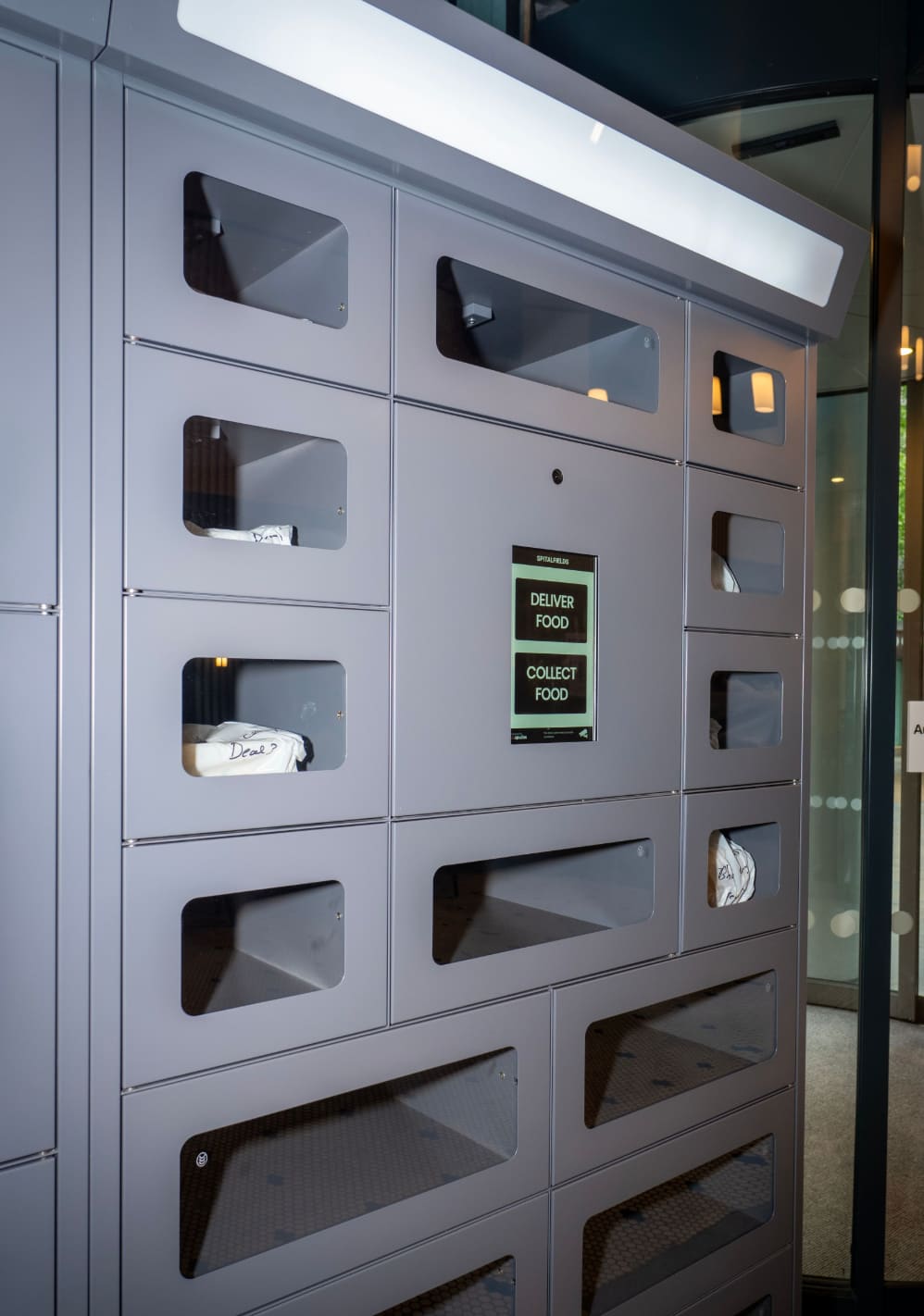
What are food delivery lockers? A complete guide
Food delivery lockers are insulated smart lockers that let couriers drop off hot, chilled and ambient food securely in residential, student and workplace buildings. Here's how they work and why they matter.
We value your privacy
We use cookies to enhance your experience, analyse site usage, and assist in our marketing efforts. You can manage your preferences below. Read our Cookie Policy for more details.