Deliveroo Plus, Bundles and the new normal: how delivery subscriptions will make food-to-door standard in residential buildings
Deliveroo's Bundles feature lets shoppers combine groceries, pharmacy and bakery from multiple stores into one delivery. Paired with Deliveroo Plus, Uber One and Just Eat's loyalty push, delivery is moving from weekend treat to daily utility — and the generation already living that way is moving into Build-to-Rent and co-living right now. Here's what that means for residential operators.
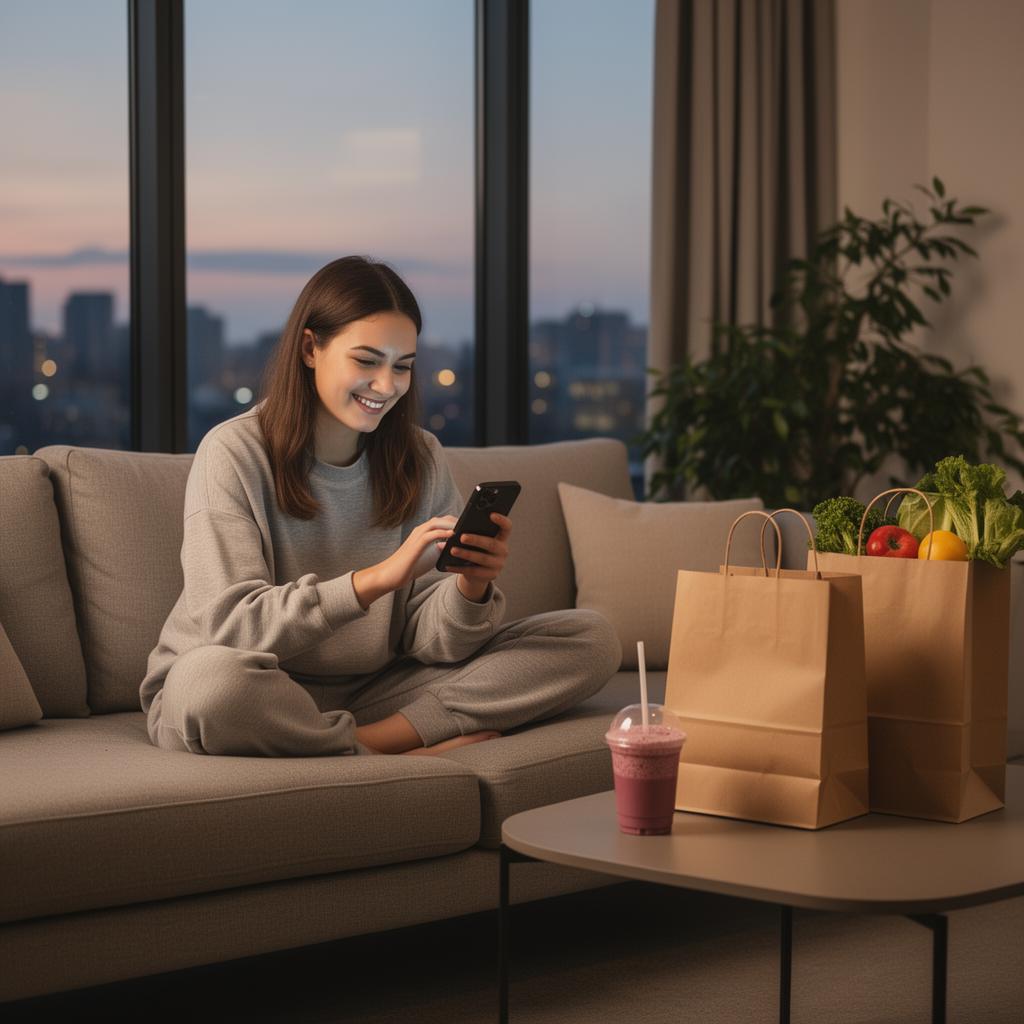
In May 2026 Deliveroo rolled out <a href="https://www.express.co.uk/news/uk/2205555/major-change-uk-food-app-deliveroo" className="text-primary underline underline-offset-2" target="_blank" rel="noopener">Bundles</a>, a UK-first feature that lets shoppers combine items from up to three different stores — a supermarket, a bakery, a pharmacy — into a single basket with one delivery fee. Layered on top of Deliveroo Plus, Uber One and Just Eat's loyalty rebuild, the message from the platforms is unambiguous: delivery is no longer a Friday-night treat. It is becoming a daily utility.
For residential operators that quiet repositioning matters more than any single feature launch. The generation that already lives this way — Gen Z and younger millennials — are the same renters now signing leases in Build-to-Rent, PBSA and co-living. The infrastructure choices buildings make in the next 18 months will decide whether they look modern or quaint by 2028.
From 'occasional treat' to 'how I get my groceries'
Subscription delivery economics quietly inverted the use case. A flat monthly fee removes the per-order delivery charge — so the rational customer behaviour is to order more often, in smaller baskets, and to consolidate categories that used to be separate trips. Lunch on Tuesday, a missed-the-shop pint of milk on Wednesday, dinner on Thursday, paracetamol on Friday — all on the same app, all on the same plan.
Bundles takes the same logic further: cross-store combination removes the last reason to walk to the high street. The platforms are explicitly chasing the weekly grocery shop, the chemist run and the bakery stop — categories that have always been the high-street's defence against delivery.
None of that is hypothetical for the residents already in BTR. It's how they live now.
Why the demographic story matters for residential operators
The generation now signing AST tenancies in new-build BTR grew up with Just Eat in their teens and Deliveroo at university. They subscribed to streaming, then to gyms, then to coffee, then to food. A monthly delivery plan is not a step change for them — it is the default category for any service they consume more than once a week.
- Around 70% of UK 18–34 year olds order food delivery at least weekly
- Subscription-plan members order 2–3x more often than non-members
- Grocery + ready-to-eat + pharmacy convergence is fastest in this age band
- Plan loyalty is sticky: members rarely switch platforms once subscribed
Translate that into a 300-unit Build-to-Rent scheme: not 2–3 deliveries per resident per week, but 4–6, with more multi-category drops, more grocery, more chilled and ambient mix. The volume curve is steeper than the headline 'food delivery' framing suggests.
What Bundles changes for the building
A single Bundles order is operationally different from a single takeaway order. It might contain hot prepared food, chilled groceries, a paper bag of bakery, and a pharmacy item — handed over together by one courier. The dwell time at the locker is longer. The compartment requirements span temperatures. The PIN release needs to clear in one go.
Older delivery infrastructure designed around the single hot-bag handover — counter drop, runner takes it up — quietly breaks at this point. Concierge teams that could just-about absorb the takeaway volume cannot also absorb the grocery and pharmacy volume on the same shift. The handoff layer has to be sized for the new basket, not the old one.
Why this will become a tenancy-decision factor
Renters already filter Build-to-Rent listings by gym, by parcel locker, by pet policy. Food delivery handling is following the same path. The recent reporting on courier identity, building access and concierge bottlenecks is making it explicit: residents now ask how delivery works in the building, before they sign.
Buildings that answer 'we have a temperature-controlled lobby locker, drops are private, collection is on a PIN' rent faster. Buildings that answer 'reception holds them at the desk' increasingly do not. We are about a 12-month cycle away from this being a tick-box on the BTR comparison sheets, in the same way 'parcel room' was five years ago.
The amenity reframing
There is a deeper shift underneath all this. Food delivery infrastructure has stopped being a back-of-house operations problem and started being a front-of-house amenity. The locker is visible in the lobby. It is part of the resident's daily routine. It is the building telling its residents 'we built this for how you actually live'.
Treated as amenity, food lockers earn the same scrutiny as the gym, the lounge or the parcel room — and the same investment logic. The buildings making that shift now will look forward-thinking when the rest of the market catches up; the buildings that don't will feel dated very quickly.
Want to size the locker bank for your subscription-era delivery volume? <a href="/contact" className="text-primary underline underline-offset-2">Book a demo</a> and we'll model it for your scheme.