
How smart food lockers improve security and prevent food theft
Lobby food theft, courier roaming and missed orders are quietly costing buildings money and trust. Here's how smart food lockers eliminate every one of those risks.
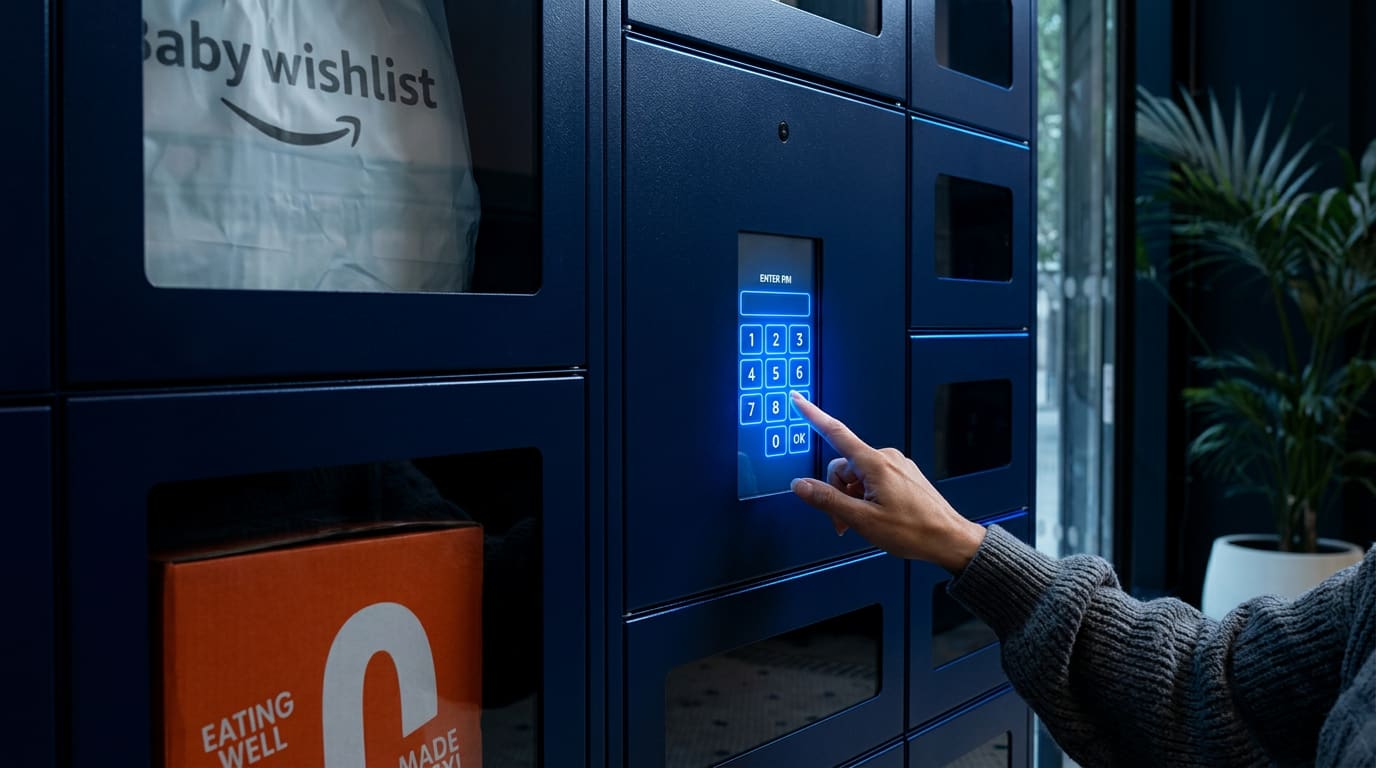
Lobby food theft, courier roaming and missed orders are quietly costing buildings money and trust. Smart food lockers eliminate every one of those risks with a layered security model — physical, digital and procedural.
The security gap in traditional food delivery
Most apartment buildings still rely on couriers leaving food bags on lobby counters, behind reception desks or outside apartment doors. That model fails on three fronts: theft (anyone can grab a bag), accountability (no record of who collected what) and access (couriers wander unsupervised).
Layer 1 — Physical security
Smart food lockers replace open lobby drop zones with locked, individually addressable compartments. A delivery only opens for the resident it belongs to, and only with a valid one-time credential.
Layer 2 — Digital security
Every interaction is authenticated. Couriers verify orders against a whitelist; residents collect with PINs or QR codes; every drop and pickup writes to an immutable audit log with timestamp, compartment ID and event type.
Layer 3 — Procedural security
CCTV-integrated locker stations, forgotten-collection auto-reminders and operator dashboards close the loop. Operators can pull a complete chain-of-custody for any delivery in seconds.