Boutique hotels and takeaway delivery: turning third-party platforms into add-on revenue, not lost covers
Boutique hoteliers were the first to figure it out: letting guests order Deliveroo in-room doesn't cannibalise F&B — it creates new add-on revenue. Wine pairings, late-night minibar, local-restaurant partnerships and a secure handoff layer. Here's how to design the operating model.
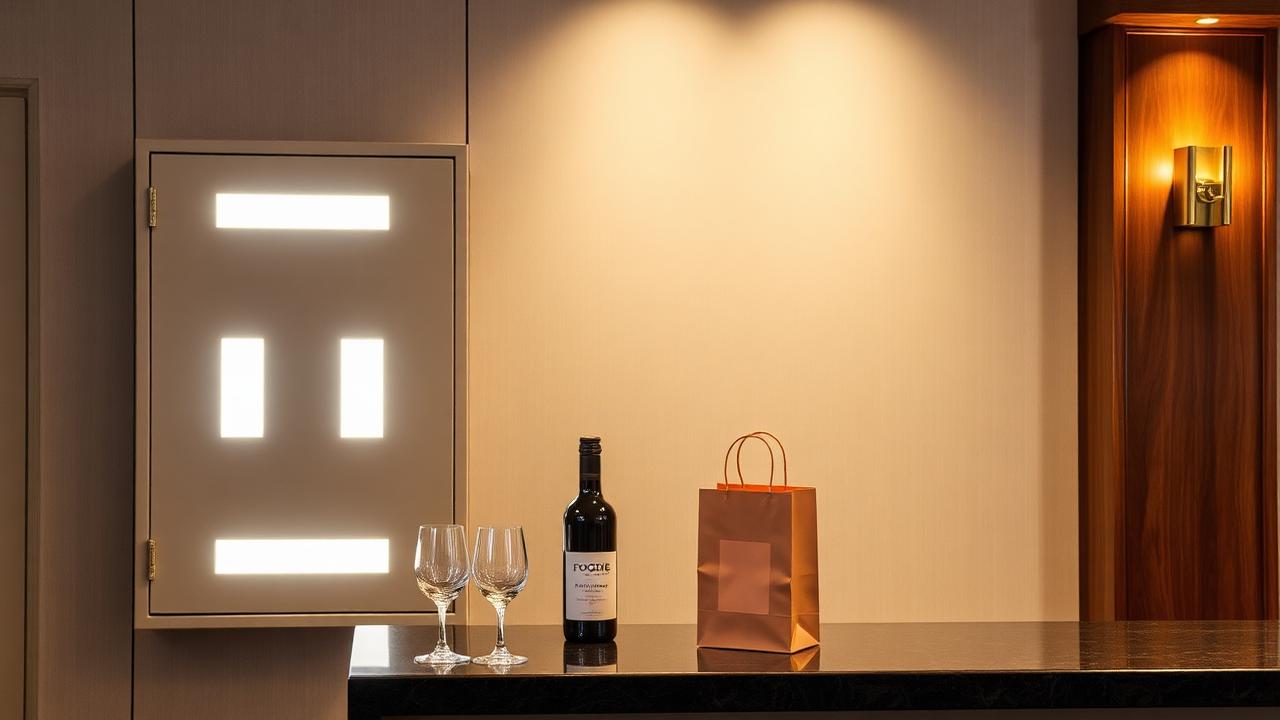
Boutique hoteliers were the first to figure out that letting guests order Deliveroo or Just Eat in-room doesn't cannibalise F&B — it opens a new ancillary revenue line. Wine pairings, late-night minibar, curated local-restaurant partnerships, in-room snack add-ons. The delivery is the trigger, not the threat.
Here's how the operating model works, what it earns, and the infrastructure that makes it scale.
Why boutique hotels moved first
Boutique properties tend to share three traits that make them early adopters: under-40-weighted guest mix, smaller F&B operations that already lean on quality over breadth, and a brand position built on guest experience rather than F&B revenue protection. Together those traits make 'embrace delivery' a low-risk, high-upside move.
The chain-hotel hesitation — protect restaurant covers, defend room-service margin — doesn't apply when the restaurant is 22 covers and the room-service tray was already a £24-sandwich loss-leader. Boutique operators just saw the maths sooner.
The four revenue lines that open up
When delivery is embraced rather than tolerated, four lines start contributing:
- Beverage attach — guests ordering food in want wine, beer, cocktails to match. The bar fulfils this on a tray to the room while the food is in the locker
- Late-night minibar — premium snacks, desserts and breakfast-for-tomorrow add-ons offered at order time
- Curated local-restaurant partnerships — boutique hotels increasingly publish a short list of nearby kitchens with the hotel taking a small marketing fee or revenue share
- Experience upsells — a sommelier-paired bottle for a Deliveroo Italian, a charcuterie board to start the in-room dinner, in-room cinema with snacks
None of these were available under the old room-service-only model. All four sit on top of the delivery the guest was going to order anyway.
Why a handoff layer is the unlock
The revenue lines above only scale if the delivery experience itself is frictionless. If the courier buzzes reception, the duty manager carries cold bags upstairs and the guest's evening starts late, the upsell moment is already lost.
A Foodie Locker in or near reception converts the handoff to a 30-second non-event: courier arrives, drops into a temperature-controlled compartment, guest gets a notification, collects with a PIN at their pace. The reception team is freed to do exactly what boutique reception teams are for — pour a glass of wine, suggest a local bar, recommend the dessert spot two streets over. See <a href="/blog/hotel-fb-without-the-kitchen-hybrid-model" className="text-primary underline underline-offset-2">Hotel F&B without the kitchen</a> for the broader operating model.
The local-restaurant partnership angle
This is the move boutique hotels are most quietly excited about. Instead of competing with the neighbourhood's food scene, the hotel becomes its host. A curated 6–10 partner list — Italian, Japanese, plant-based, late-night burger, the famous pizza place — gets featured in the welcome pack and in-room QR. Partners offer hotel guests priority or a small perk; the hotel earns either a marketing fee or revenue share via the partner's POS integration.
It is authentically local, brand-on for boutique, and creates a F&B story the on-site kitchen could never tell on its own. Chris Sheppardson at EP Business in Hospitality called this out as the boutique-specific advantage in the Boutique Hotelier coverage of the original research.
What it changes for the kitchen
Less than people expect. The kitchen still owns breakfast (which is now the single highest-utilisation meal). The bar still owns evening drinks. What disappears is the loss-making, low-volume in-room dining function that was already on life support. CapEx and labour redirect to the moments the property genuinely owns.
How to roll this out
A working rollout has four phases:
- Policy & comms — publish a delivery-friendly policy, train reception, add in-room QR with platform links
- Handoff infrastructure — install a Foodie Locker in or near reception, sized to estimated peak (typically 6–12 compartments for a 50–80 key boutique)
- Upsell choreography — train the bar/reception to offer matching drinks and snacks at the moment of delivery, ideally via the same in-room QR
- Local partnerships — onboard 6–10 nearby kitchens, publish them, track revenue and review scores
Most boutique properties run this as a 90-day pilot with clear before/after KPIs on F&B revenue per available room, beverage attach rate and review-score F&B sub-metric.
Want a deployment plan for a specific property? <a href="/contact" className="text-primary underline underline-offset-2">Book a demo</a>.