
Insulated vs Heated Food Lockers: What Restaurants Actually Need
The difference between insulated and heated pickup lockers, why collection windows matter more than heating, and how to keep orders in good condition.
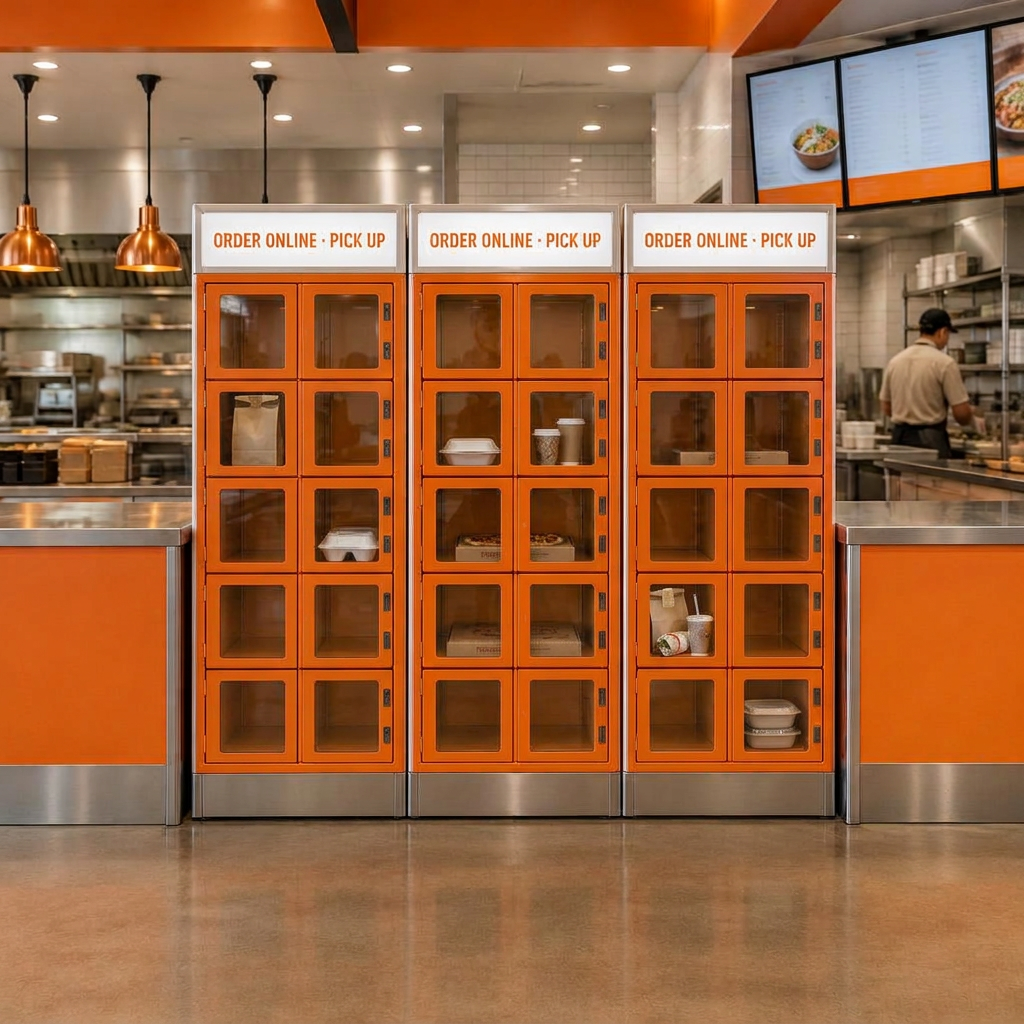
Foodie Locker compartments are insulated, not heated. They are designed for short collection windows: an order is loaded when it is ready and collected soon after. For most restaurants, a short collection window matters far more than adding heat.
What insulated means
Insulated compartments slow down heat loss compared with an open shelf or counter. They help the order stay in good condition for the short time between loading and collection.
What heated lockers do differently
Heated lockers actively add heat. They use more power and are aimed at longer holding times. If your process relies on holding food for long periods, that is a food safety and quality question to work through with your own procedures.
Why the collection window matters most
- Load orders only when the customer or rider is close
- Send collection details as soon as the order is loaded
- Set a clear time limit and a process for uncollected orders
- Use packaging designed for takeaway
Which do you need?
For click and collect and rider pickup with short waits, insulated compartments are usually enough. Read more on our hot food lockers page.
Follow your own food safety procedures and local guidance for holding times.