
All articles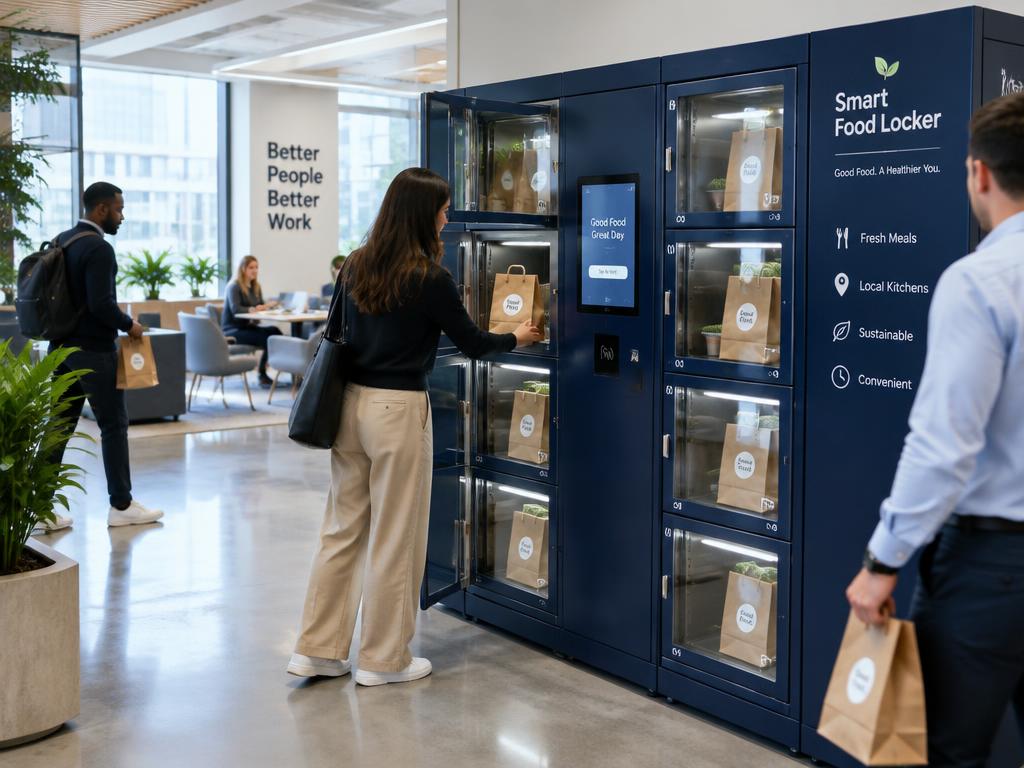
7 October 2026 9 min read
Batch Food Delivery Versus Individual Deliveries: A Restaurant Cost Comparison
An illustrative cost model comparing one scheduled batch to many individual deliveries — delivery cost, loading time, lockers and volume.
Delivering 25 orders as one scheduled batch usually means fewer trips than delivering 25 orders one by one. Whether it works out cheaper overall depends on delivery costs, loading time, locker costs and how many orders you actually get. Here is a simple way to compare.
The cost lines to compare
- Delivery — driver time, mileage or per-drop platform fees
- Loading — time to load orders into compartments on arrival
- Locker — the cost of the locker at the host site, however it is funded
- Volume — the number of orders per run, which spreads the fixed costs
An illustrative comparison
| Line | Individual deliveries (25 orders) | One scheduled batch (25 orders) |
|---|---|---|
| Trips | Up to 25 | 1 |
| Delivery cost | Per-order fee × 25 (enter your own) | One driver run (enter your own) |
| Loading time | None | e.g. 10–15 minutes |
| Locker cost | None | Per-day share of locker cost (enter your own) |
| Sensitive to | Order count and distance | Orders per run |
Illustrative structure only. We have not included savings figures because real costs vary by restaurant, distance and site. Plug in your own numbers.
When batching tends to make sense
- Many orders going to one building
- A predictable time slot
- A menu you can prepare in one run
- A site willing to host a locker
When it doesn't
- Very low or unpredictable order numbers
- Customers who need food at varied times
- Long distances that erode the time saved
See restaurant expansion for operating models.